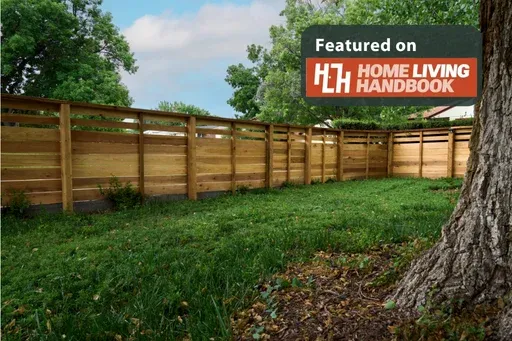
A garden should be the visual focus of an outdoor space, but the boundary around it still matters. The right vinyl fencing can give flower beds, vegetable gardens, shrubs, and planted borders a clean framework without overpowering the colors and textures growing inside. For homeowners in Columbia, Top Rail Fence Columbia can help develop a fencing layout that complements the garden rather than turning the fence into the main attraction.
Let the garden lead the visual composition
A successful garden has layers. Flowers create color, shrubs provide structure, foliage adds texture, and pathways create movement through the space. A fence should support those elements instead of introducing another competing focal point.
Vinyl fencing works well for this purpose because its consistent lines can provide definition without adding the irregular textures associated with some natural materials. When the fence follows the shape of the garden thoughtfully, it can act almost like a frame around a finished landscape.
Keep the boundary visually quiet
The most effective garden fence does not necessarily demand attention. Its role can be to establish where the garden begins and ends while allowing the plants to remain the stars.
A simple vinyl design can provide that visual restraint. Instead of introducing ornate details that compete with flowers or foliage, homeowners can select a style that creates a clean backdrop for the garden.
Use contrast to make plants stand out
A garden does not need a fence that matches every plant. In some cases, subtle contrast makes the landscape more noticeable.
For example, lighter-colored vinyl fencing can provide a neutral background against darker foliage, while a deeper fence tone can help bright flowers become more prominent. The goal is to create enough contrast for the plants to remain visually distinct without making the boundary feel disconnected from the rest of the property.
Shape the fence around the garden instead of forcing the garden to fit
Garden beds rarely follow perfectly straight lines. Curved borders, irregular planting areas, pathways, and mature shrubs can all influence where fencing should go.
This makes the planning stage particularly important. A fence should accommodate the existing landscape rather than forcing homeowners to remove plants or dramatically alter a garden simply to create a straight boundary.
Follow important landscape features
Existing trees, raised beds, stone paths, patios, and planting borders should all be considered before vinyl fence installation begins.
A fence line that respects these features can make the entire landscape appear more cohesive. It can also prevent unnecessary disruption to established plants.
Leave enough room for plants to mature
Plants change considerably after they are installed. A small shrub can eventually spread several feet, while vines may grow toward the fence and flowering plants can extend beyond their original planting area.
Allowing appropriate space between the fence and garden beds gives plants room to mature while leaving enough access for trimming, watering, and seasonal maintenance.
Choose height based on the garden's character
Fence height can dramatically influence how a garden feels. A tall boundary can create enclosure and privacy, while a shorter design can preserve openness and allow the garden to remain visible from other areas of the property.
The ideal choice depends on what the fence needs to accomplish.
Lower profiles can preserve an open garden view
If the goal is primarily to define a planting area, a shorter vinyl fencing design may provide enough separation without hiding the garden.
This approach can work particularly well around front-facing gardens, decorative flower beds, or landscapes that homeowners want to remain visible from patios and walkways.
Taller sections can create a stronger backdrop
A taller vinyl fence may make more sense when the garden is located near neighboring properties or areas where additional privacy is desirable.
Rather than viewing height as an isolated decision, homeowners can consider how much of the garden should remain visible and whether the surrounding property benefits from greater enclosure.
Make maintenance easier around planted areas
Gardens require ongoing attention. Plants need watering, pruning, fertilizing, dividing, and seasonal cleanup. Fence design can either simplify these tasks or make them more difficult.
A properly planned vinyl fence installation should leave sufficient working space around planting beds and access points.
Keep garden tools within reach
Garden maintenance often involves moving tools, hoses, bags of soil, wheelbarrows, and other equipment through the outdoor space. Gates and fence openings should account for these activities.
A narrow gate may work for everyday pedestrian access but become frustrating when larger gardening equipment needs to pass through. Planning these details in advance can make the completed garden much easier to maintain.
Reduce the need for fence-related upkeep
One of the practical advantages of vinyl fencing is that it does not require the same painting or staining routine associated with many wood fences. Top Rail Fence explains that its vinyl products are designed to resist weather conditions while maintaining their shape without splintering or warping.
That can be particularly appealing around gardens, where homeowners already have plenty of seasonal maintenance to handle.
Design gates as part of the garden experience
A gate should feel like part of the garden rather than an interruption in the fence line. Its size, location, and style can influence how naturally people move between planted areas and the rest of the yard.
Position access near natural pathways
A gate works best when it connects to an existing walkway or practical route. Placing an entrance where people already tend to walk can make the garden feel more accessible.
This is also an important consideration during fence installation, because the fence should work with the landscape's established circulation patterns.
Make equipment access part of the plan
Gardeners may occasionally need to bring larger equipment into the enclosed area. A wider gate can provide flexibility for wheelbarrows, carts, lawn equipment, or other bulky items.
Thinking beyond everyday foot traffic can prevent an attractive fence from becoming a practical inconvenience.
Let color support the plants instead of distracting from them
Color selection can completely change the relationship between vinyl fencing and a garden. A fence does not have to disappear, but it should work with the palette already present in the landscape.
White, tan, khaki, clay, driftwood, and other vinyl colors can create different visual effects. Top Rail Fence notes that vinyl fencing can be customized with multiple colors, heights, and styles.
Neutral tones can create a calm backdrop
A neutral fence can help flowers and foliage take center stage. This is particularly useful when the garden contains a mixture of colors and textures that already provide plenty of visual interest.
Instead of adding another strong color, the fence becomes a supporting element that brings consistency to the surrounding landscape.
Coordinate with hardscape elements
The fence can also relate to patios, retaining walls, walkways, decks, and outdoor furniture. When these elements share complementary tones or design characteristics, the garden can feel like part of a larger outdoor composition.
Think about sunlight before completing the layout
Plants depend on the conditions around them, so fence placement should not be treated solely as a visual decision. The amount of sunlight reaching a garden can influence which plants thrive.
The University of Illinois Extension recommends observing the amount of sun and shade a landscape receives when determining which plants are appropriate for a particular area.
A fence can affect the environment immediately around it, particularly when it is tall and positioned close to planting beds. Considering existing sunlight patterns before vinyl fence installation can help homeowners avoid creating an unsuitable growing environment for plants that require substantial direct light.
Factor the project budget into the design early
Appearance is important, but the fence installation cost should also be considered before finalizing the design. The total investment can vary based on the amount of fencing required, material selection, height, gates, site conditions, and labor.
Top Rail Fence states that fence installation cost for vinyl fencing depends on factors such as property size, materials, and the amount of labor required, with estimates available for individual projects.
Compare the cost against the garden's long-term use
A garden fence is not simply an aesthetic purchase. It can define planting areas, guide access, protect landscaping, and influence how the yard functions for years.
Considering those benefits alongside the initial fence installation cost can provide a more useful perspective than comparing prices based solely on the amount of material.
Create a frame that gives the landscape room to shine
The best vinyl fencing for a garden is not necessarily the most elaborate option. It is the one that gives the landscape enough structure to feel complete while allowing flowers, shrubs, trees, and other plantings to remain the dominant visual elements.
For Columbia gardens, that balance can come from thoughtful height selection, restrained colors, appropriate spacing, convenient gates, and a fence line that respects the existing landscape. A carefully planned fence installation can turn a garden boundary into part of the landscape design rather than an obstacle placed around it.
A well-designed garden should feel intentional from every direction. The fence can provide the framework, while the plants supply the personality, seasonal color, and texture. If you are considering vinyl fence installation and want to understand how the design could complement your garden, explore vinyl fencing options and discuss your project with Top Rail Fence Columbia. For a customized estimate based on your garden layout and fencing needs, visit Contact Us and begin planning a boundary that supports the landscape instead of competing with it.