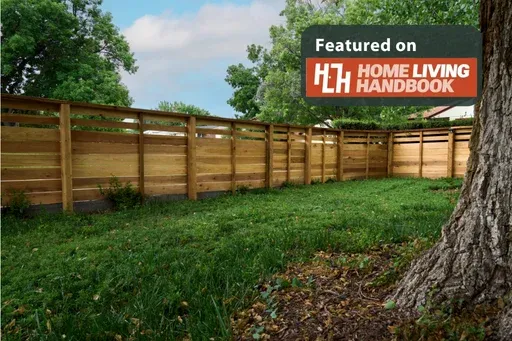
In Columbia, outdoor structures are constantly influenced by environmental conditions, and few materials reflect this more clearly than a wood fence. Unlike synthetic alternatives, wood responds to moisture, sunlight, and shade in ways that make each fence unique over time. A carefully planned wood fence installation does more than define property lines. It creates a living boundary that evolves alongside the landscape. With expert support from Top Rail Fence Columbia, homeowners can embrace these natural changes while maintaining durability and structure.
How natural elements influence wood fencing over time
Moisture and expansion cycles
Humidity in Columbia plays a major role in how a wood fence behaves. Wood naturally absorbs moisture, causing slight expansion during humid conditions and contraction during drier periods. This cycle is not a flaw but a defining characteristic of wood as a material.
Sunlight and gradual color transformation
Exposure to sunlight leads to gradual color shifts. Over time, a cedar fence may transition from rich tones to a softer, weathered appearance. This natural aging process adds character and reflects the passage of time in a visually distinct way.
The visual character of a living boundary
Texture changes that add depth
As a wood fence ages, its surface develops subtle variations in texture. Grain patterns become more pronounced, and minor imperfections create a more organic look. These changes contribute to a fence that feels integrated with its surroundings.
Shade patterns and uneven weathering
Areas exposed to more shade retain moisture longer, which can lead to slight differences in color and texture across the fence. This variation enhances the natural aesthetic and distinguishes wood from more uniform materials.
Why cedar remains a preferred choice
Natural resistance to environmental stress
A cedar fence is often selected for its ability to withstand moisture and resist decay. Its natural oils provide protection against insects and environmental wear, making it a reliable option for long-term fence installation.
Balancing beauty with durability
Cedar combines visual appeal with structural performance. Homeowners in Columbia appreciate how it maintains strength while still allowing for the organic changes that define a wood fence.
Installation techniques that support longevity
Proper spacing and alignment
A successful wood fence installation accounts for natural expansion and contraction. Proper spacing between boards allows the fence to adjust without compromising structural integrity.
Secure post placement for stability
Strong, well-set posts ensure that the fence remains stable despite environmental changes. Professional fence installation ensures that every component works together to support long-term performance.
Adapting to changing environmental conditions
Seasonal shifts and their impact
Weather patterns in Columbia vary throughout the year, influencing how a wood fence looks and performs. Rain, heat, and humidity all contribute to gradual changes that define the fence’s character.
Embracing natural variation
Rather than resisting change, many homeowners choose to embrace it. The evolving appearance of a wood fence adds authenticity and depth to outdoor spaces.
Maintenance as part of the wood fencing experience
Protecting against moisture damage
While wood naturally reacts to moisture, proper care helps extend its lifespan. Sealing or staining a cedar fence reduces excessive absorption and preserves its structure.
Preserving appearance over time
Regular maintenance allows homeowners to control how their wood fence ages. Whether maintaining original color or allowing a natural patina, the choice depends on personal preference.
For more guidance on wood care and maintenance, explore this resource on how to stain and protect a wood fence.
The role of professional expertise in wood fencing
Ensuring structural integrity from the start
A properly executed wood fence installation is essential for long-term performance. Professionals understand how to account for environmental factors and material behavior during installation.
Local knowledge for better results
Conditions in Columbia require specific approaches to fence installation. Top Rail Fence Columbia uses local expertise to ensure each project is built to withstand regional climate patterns.
Enhancing outdoor spaces with natural materials
Creating a connection to the environment
A wood fence blends seamlessly with landscaping, creating a cohesive outdoor environment. Its natural appearance complements plants, trees, and other elements in a way that synthetic materials cannot replicate.
Supporting evolving outdoor design
As properties change, a wood fence adapts visually. Its ability to age gracefully makes it a versatile choice for homeowners who value both function and aesthetics.
Long-term value of wood fencing
A dynamic approach to property boundaries
Unlike static materials, wood offers a dynamic experience. Its visible reaction to moisture, shade, and time makes it a unique boundary that evolves with the property.
Combining durability with character
A well-maintained cedar fence provides both strength and visual interest. This balance makes it a valuable addition to any home in Columbia.
Building a boundary that evolves with your property
Choosing a wood fence means embracing a material that changes over time. These changes are not signs of wear but reflections of the environment and the life of the property itself. With expert guidance from Top Rail Fence Columbia, homeowners can achieve a balance between natural beauty and structural reliability.
To begin planning your project, visit the Contact Us page. A professionally managed wood fence installation ensures your fence remains a strong, adaptable, and visually engaging part of your outdoor space in Columbia.