When it comes to fence installation in Denver, the process is far from straightforward. Between the rocky soil, unpredictable weather, and strict city permitting rules, installing a fence here presents unique challenges that homeowners shouldn’t overlook. To get it right, you need to plan carefully, understand local requirements, and select materials that can withstand Colorado’s climate.
Local fencing experts at Top Rail Fence Denver note that even seasoned homeowners are often surprised by how much elevation, frost depth, and zoning laws affect a project. In this guide, we’ll walk you through the most common issues and provide fence installation tips to help you avoid costly mistakes.
Understanding Denver’s Terrain: Rocky Soil and Frost Depth
One of the first hurdles during fence installation in Denver is the ground itself. The region’s soil tends to be rocky and uneven, which can make digging post holes a real challenge. Rocks can prevent deep posts from setting properly, leading to weak fence foundations if not handled correctly.
Because of Denver’s elevation and cold winters, the frost line can extend down to 36 inches. Posts must be installed below this line to prevent the fence from shifting as the soil freezes and thaws. This means extra time and effort are needed for excavation, especially if you’re doing it yourself.
As Top Rail Fence Denver explains, “We use specialized equipment to break through rocky ground and secure posts at the proper depth. This ensures stability and prevents leaning over time.”
If you’re considering a vinyl fence installation, you’ll need to take extra care to anchor the posts securely, since vinyl materials are lighter and can shift if not deeply set. For additional guidance on frost line depths and soil types, you can check the U.S. Department of Agriculture’s Soil Data Portal.
Navigating City Permits and Zoning Requirements
Another challenge many Denver homeowners face is obtaining the right permits before beginning fence installation. Denver’s zoning regulations are detailed and vary depending on your property type, neighborhood, and fence height.
For instance, fences over 4 feet tall in the front yard or over 6 feet in the backyard often require a building permit. Additionally, there are setback rules dictating how close a fence can be to sidewalks and property lines.
Ignoring these fence guidelines can result in fines or even being forced to remove the fence entirely. To save time and hassle, it’s wise to review Denver’s building codes or work with a contractor who handles permit applications on your behalf.
You can also refer to our Denver Location Page for localized insights and service options.
Choosing the Right Fence for Denver’s Climate
Denver’s semi-arid climate brings dry summers, snow in winter, and plenty of sunshine. These conditions can take a toll on your fence, especially if the wrong materials are used.
Wood fences remain a popular option, but they require sealing to resist moisture and sun damage. Homeowners looking for a low-maintenance alternative often turn to vinyl fence installation, which provides a clean look without the constant upkeep.
Vinyl fences are moisture-resistant and perform well in Denver’s fluctuating temperatures. However, selecting a UV-protected version is crucial to prevent color fading over time.
If you’re unsure which material best fits your home’s needs, explore our fence materials guide for a deeper comparison of wood, vinyl, and metal fences.
Key Fence Installation Tips for Homeowners
Proper preparation can make all the difference in avoiding costly repairs later. Here are some essential fence installation tips for homeowners in Denver:
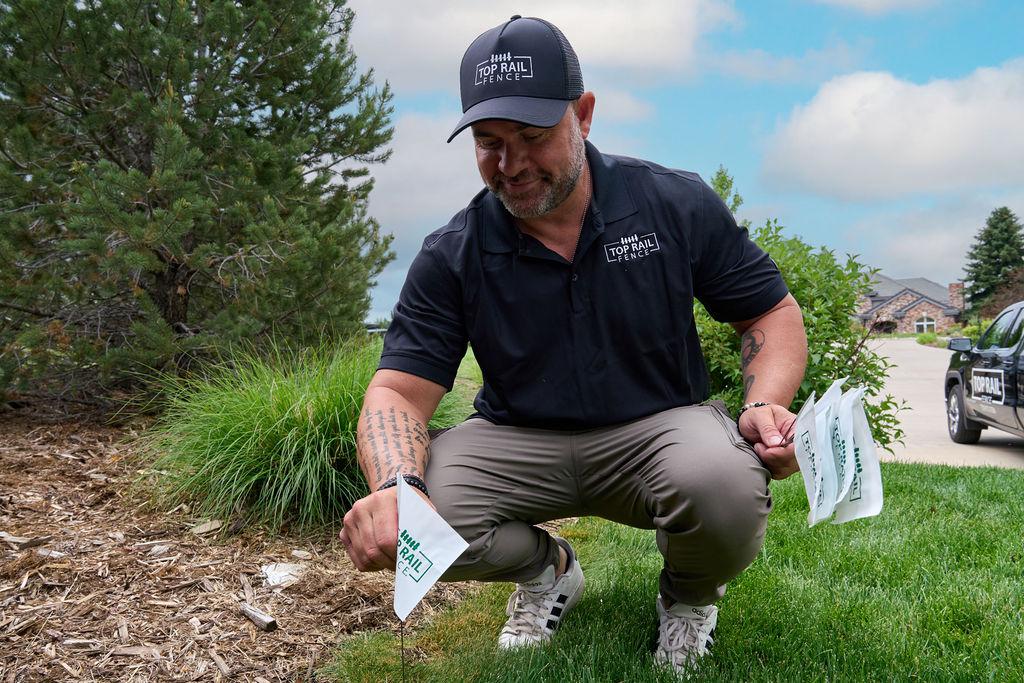
1. Mark Utility Lines First
Always call local utility services to mark underground lines before digging. Striking a utility line can lead to dangerous and expensive consequences.
2. Plan for Drainage
Because Denver’s terrain varies, water runoff can be a problem. Installing gravel at the base of posts or slightly raising the fence can prevent water pooling and rot.
3. Consider Wind Resistance
Denver is known for its gusty winds. Choose reinforced posts and secure your panels tightly to prevent damage during storms.
4. Measure Twice, Dig Once
Always double-check property boundaries. Installing a fence, even a few inches off your line, can cause disputes with neighbors and potential removal orders.
For more practical tips on fence maintenance and planning, see our blog on fence care and upkeep.
Common Pitfalls to Avoid During Fence Installation
Even the most careful homeowners can run into trouble during fence installation. Some of the most frequent issues include:
- Using untreated wood that warps or rots quickly
- Not accounting for soil type or frost depth
- Skipping permits or violating height restrictions
- Installing posts without proper concrete anchoring
- Choosing low-quality hardware that rusts prematurely
Working with experienced contractors like Top Rail Fence Denver can help you sidestep these problems. Their team follows professional fence guidelines and ensures each installation meets both city and structural standards.
Why Professional Installation Pays Off
While DIY fence projects can seem budget-friendly, they often end up costing more when mistakes occur. Professionals not only understand fence installation best practices but also handle city permits, post alignment, and material optimization efficiently.
Partnering with Top Rail Fence Denver ensures your project is completed on time and within regulations. They specialize in everything from vinyl fence installation to complex terrain adjustments, providing peace of mind and a durable result.
If you’re ready to get started, visit our Contact Us page to schedule your free consultation with Denver’s trusted fencing experts.
Final Thoughts
Installing a fence in Denver isn’t as simple as digging a few holes and setting posts. Between the rocky terrain, deep frost lines, and strict permitting laws, each step demands precision and planning.
By following local fence guidelines, choosing durable materials, and applying smart fence installation tips, you can ensure your fence stands strong for years to come. Whether you’re tackling it yourself or working with professionals like Top Rail Fence Denver, a well-executed fence installation enhances both your home’s security and curb appeal in Colorado’s ever-changing climate.