When it comes to fence installation in Denver, elevation isn’t just a number; it’s a major factor that can impact everything from fence stability to material choice. Homeowners in the Mile High City face unique challenges due to the altitude, weather shifts, and soil variations. Understanding how these factors interact is key to ensuring your fence lasts for decades without unnecessary maintenance or costly repairs.
For insights into building long-lasting fences, we spoke with experts from Top Rail Fence Denver, who specialize in adapting fence designs to local environmental conditions. They explained why elevation plays such an important role and how homeowners can plan smarter installations.
The Science Behind Elevation and Fence Stability
Denver sits at over 5,000 feet above sea level, meaning the air is thinner, UV rays are stronger, and the soil composition varies widely. These conditions can cause fence installation issues if not addressed properly. High elevation impacts how fence posts expand and contract, particularly during temperature swings that can go from freezing mornings to hot afternoons.
According to Top Rail Fence Denver, “One of the biggest challenges we see is soil shifting due to freeze-thaw cycles. The ground expands in winter and contracts in warmer months, which can weaken fence posts if they’re not installed deep enough.”
This means residential fence installation at high elevations requires deeper post holes and more stable foundations. Using concrete footings and moisture-resistant materials can prevent long-term leaning or cracking.
Choosing the Right Fence Materials for High Elevation
Selecting the right fence materials in Denver isn’t just about aesthetics; it’s about endurance. At higher altitudes, UV exposure and dry air can quickly deteriorate wood, while snow and wind put extra strain on weaker materials.
- Wood Fences: While wood is a classic choice, it needs to be properly treated and sealed. Cedar and redwood remain popular options, but homeowners should reapply protective coatings every few years to resist cracking and warping.
- Vinyl Fences: Vinyl offers excellent durability and requires minimal maintenance. However, in colder climates, vinyl can become brittle. Choosing a UV-resistant formula helps reduce fading from the stronger Denver sunlight.
- Metal Fences: Aluminum and steel are ideal for those who prioritize strength. Powder-coated finishes provide excellent resistance to corrosion and are well-suited to Denver’s dry climate.
For additional fence design inspiration, you can explore Top Rail Fence’s fence materials page to learn about options best suited for your property.
Planning for Privacy and Functionality
Elevation can affect not just your fence’s structure but also its purpose. Homes built on slopes or hilly areas often face privacy issues, as neighboring yards may sit higher or lower. A privacy fence installation becomes crucial in such cases.
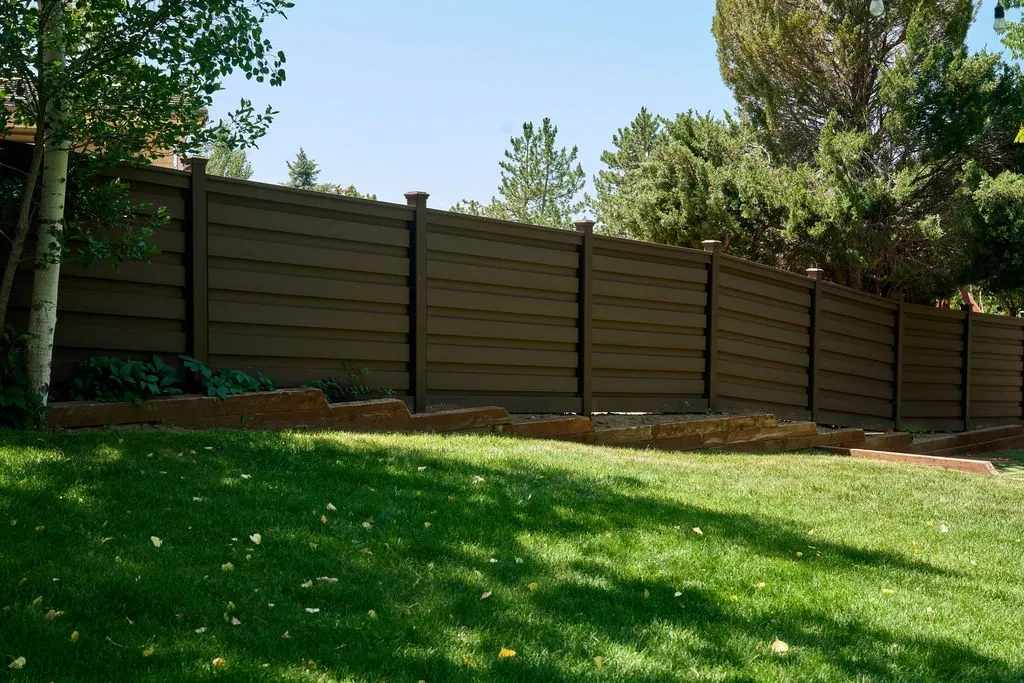
Sloped properties require customized fence designs, such as step fencing or racked panels, to maintain even spacing and consistent height. As Top Rail Fence Denver points out, “We adapt every project to the property’s contours to make sure the fence provides both privacy and stability.”
If you’re unsure which style best fits your yard, you can find expert insights in our post on residential fence installation tips.
Tips for a Successful Fence Installation in Denver
When tackling a fence installation at high elevations, preparation and planning go a long way.
1. Account for Soil Type
Denver’s soil varies from clay-heavy in the lowlands to sandy in higher areas. A soil test before installation helps determine the best post depth and foundation support.
2. Use Reinforced Fasteners
Metal hardware can corrode over time due to high UV exposure and occasional moisture. Using galvanized or stainless steel fasteners prevents premature rusting.
3. Factor in Wind Exposure
Open plains and elevated neighborhoods experience strong gusts. Installing your fence with reinforced panels and secure post anchors helps maintain durability through stormy conditions.
4. Hire Local Experts
Local contractors understand how to navigate Denver’s elevation challenges. Partnering with Top Rail Fence Denver ensures your project meets all city building codes and performs well in local conditions.
If you’re ready to get started, visit our Contact Us page to schedule a free consultation with our local team.
Common Fence Issues at Higher Elevations
Even with expert installation, fences in elevated regions face unique wear and tear. Common issues include:
- Warping wood panels due to moisture imbalances
- Cracked paint or finishes from UV exposure
- Leaning posts caused by freeze-thaw cycles
- Shifting foundations in areas with uneven ground
Regular maintenance, like sealing, repainting, or re-staining, can help mitigate these problems. For more maintenance advice, check out our guide on seasonal fence care.
Why Working with Top Rail Fence Denver Makes a Difference
With years of experience adapting fencing projects to Colorado’s rugged terrain and variable climate, Top Rail Fence Denver takes every detail into account, from soil type to slope grade. Their team ensures every fence installation meets local regulations and delivers lasting performance.
They use premium fence materials tested for high-elevation conditions, and each installation is backed by a satisfaction guarantee. Homeowners benefit from durable, beautiful fences that complement Denver’s mountain landscape.
To understand how elevation and soil conditions affect home structures in general, you can explore this educational resource from USGS on soil and elevation effects.
A successful fence installation in Denver takes more than just digging holes and setting posts. It requires a deep understanding of how altitude, soil, and weather work together to affect your fence’s performance. By choosing the right fence materials and working with local experts like Top Rail Fence Denver, you’ll ensure your investment stands strong for years, no matter the elevation.