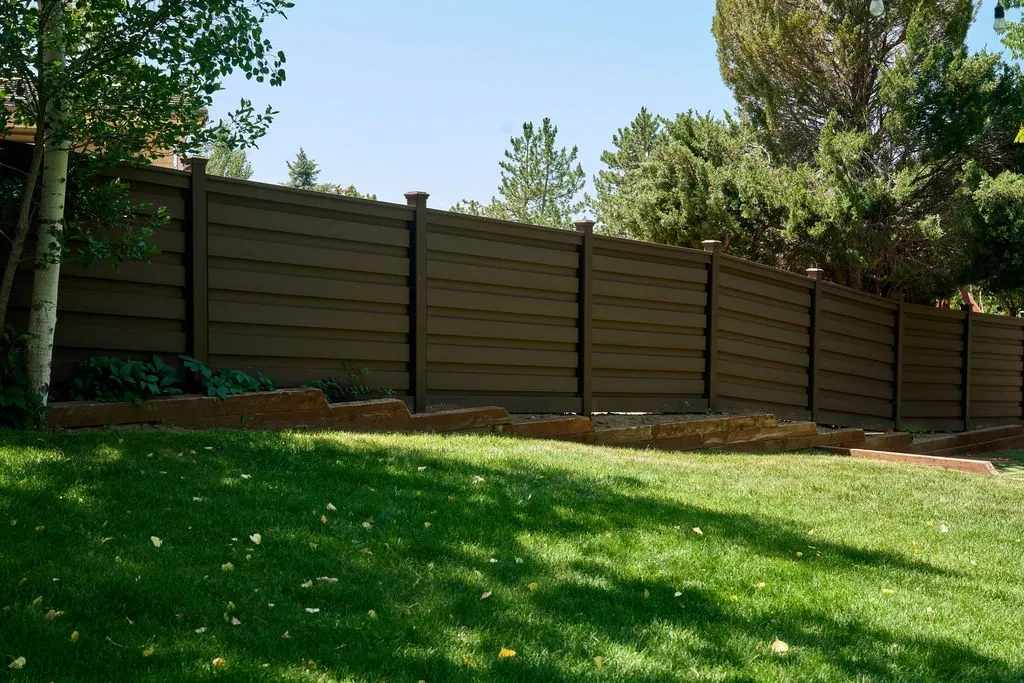
Building a fence might seem like a straightforward home improvement project, but in Denver, CO, it requires understanding a range of zoning laws, height restrictions, and property boundary rules. Whether you’re planning your first fence installation or upgrading for added privacy, knowing the city’s regulations ensures your investment is both compliant and long-lasting.
This article explores the essentials of Denver’s fence regulations, including property line requirements, material considerations, and permit guidelines. You’ll also learn how Top Rail Fence Denver and other trusted residential fence installers help homeowners avoid costly mistakes.
For detailed information about different fence materials suited to Colorado’s climate, explore Top Rail Fence’s Fence Options.
Understanding Denver’s Fence Height and Placement Rules
One of the first steps before any fence installation is understanding where and how high your fence can legally stand. In Denver, fence height is regulated based on its placement on the property.
- Front Yard: The maximum allowed height is generally four feet. This keeps visibility clear for drivers and pedestrians while maintaining curb appeal.
- Back and Side Yards: Fences can reach up to six feet in height, allowing for increased privacy and security.
- Corner Lots: Homeowners must comply with visibility triangle regulations; fences cannot block sightlines at intersections for safety reasons.
Violating these rules can lead to citations or even forced fence removal. Always double-check the Denver Zoning Code or consult a local fencing professional before starting your fence installation.
Property Lines and Neighbor Agreements
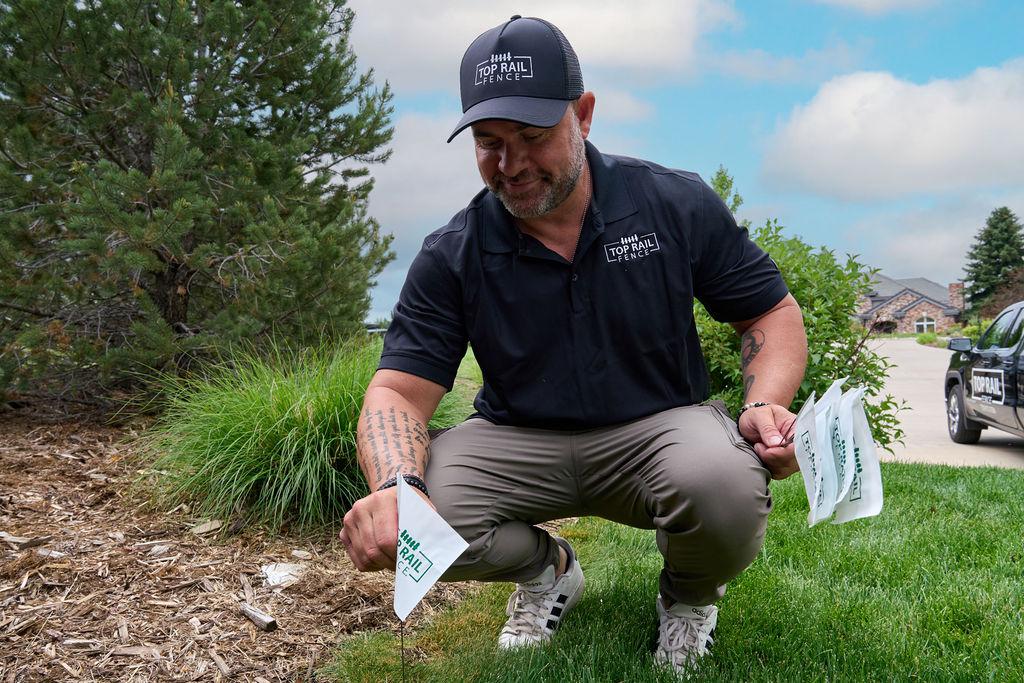
One of the most common issues homeowners face involves property boundaries. Installing a fence just a few inches over the property line can result in costly disputes. Before your privacy fence installation, it’s smart to hire a land surveyor to confirm your property’s exact limits.
Top Rail Fence Denver recommends homeowners communicate openly with neighbors before starting construction. In some neighborhoods, neighbors may even agree to share fence costs if the installation benefits both properties.
If you’re unsure where to start, the City of Denver’s Property Records provides tools to confirm ownership boundaries and parcel maps.
When You Need a Permit for Fence Installation
In Denver, most fences under six feet in height don’t require a building permit, but there are exceptions. You’ll need a permit if:
- The fence exceeds six feet.
- It’s being built in a floodplain or historic district.
- It’s used to enclose a pool or other safety-sensitive area.
For homeowners considering more complex designs or privacy fence installation projects, checking with the Denver Community Planning & Development office can save time and prevent compliance issues.
To simplify the process, professional residential fence installers can manage permit applications on your behalf, ensuring all documentation meets city standards.
Common Mistakes Homeowners Make with Fence Regulations
Even well-intentioned projects can run into trouble if local codes are overlooked. Some of the most frequent missteps include:
- Skipping a professional survey before fence installation
- Ignoring HOA restrictions on materials or colors
- Exceeding height limits near public sidewalks
- Failing to notify neighbors when building along a shared boundary
These mistakes can lead to fines or legal disputes. Working with experienced experts like Top Rail Fence Denver ensures your project complies with every local requirement, from property line accuracy to zoning guidelines.
For more insights into choosing compliant fencing materials, read Top Rail Fence’s Blog on Chain Link Fencing.
Choosing the Right Fence for Privacy and Compliance
A fence should not only comply with regulations but also serve your home’s functional needs. For example, wood and vinyl fences offer the best privacy fence installation results, while ornamental metal options provide durability and curb appeal.
In Denver’s variable climate, selecting materials that withstand snow, sunlight, and wind is essential. Homeowners should also consider how materials affect visibility, as some solid fences might require spacing adjustments for street-facing sides to meet city codes.
Professionals at Top Rail Fence Denver can guide you through the right materials, layouts, and finishing touches that balance beauty with local compliance.
You can easily connect with their team for a consultation through their Contact Us page.
The Role of Professional Residential Fence Installers
While DIY fence projects are popular, they often result in compliance oversights. Residential fence installers bring expertise in both construction and regulatory adherence. They understand setbacks, underground utility checks, and permit paperwork, ensuring your fence installation is handled safely and legally.
Partnering with a trusted contractor like Top Rail Fence Denver means your fence will meet Denver’s exact specifications, stay within your property boundaries, and be built to last against harsh weather.
For information about service areas and available fencing materials, visit Top Rail Fence Denver’s Locations Page.
How Fence Regulations Affect Neighborhood Aesthetics
Denver’s fence codes also exist to maintain consistent neighborhood aesthetics. Overly tall or non-uniform fences can disrupt the visual harmony of residential blocks. By adhering to approved materials and heights, homeowners contribute to both community appeal and property value.
Moreover, compliant fence installation reduces disputes, making for friendlier neighborhood relations. A well-placed, regulation-approved fence provides privacy without creating visual barriers between neighbors.
Final Thoughts
Understanding and following Denver’s fence regulations isn’t just about avoiding fines; it’s about protecting your investment, maintaining property harmony, and ensuring lasting privacy.
By reviewing city guidelines, confirming property lines, and hiring qualified residential fence installers, you can complete your privacy fence installation with confidence.
For up-to-date zoning information and permit resources, check the Denver Community Planning & Development Department website.
With expert support from Top Rail Fence Denver, your next fencing project can enhance security, boost curb appeal, and stay fully compliant with local laws.