Backyard privacy means something very specific to homeowners in Denver. With close-set neighborhoods, active outdoor lifestyles, and changing property uses, a fence rarely stays limited to its original purpose. What starts as a visual barrier often becomes a windbreak, pet enclosure, noise buffer, or even a structural boundary for outdoor living spaces. That reality has a direct impact on how privacy fence installation should be approached from the start.
Homeowners who plan for real-world use rather than ideal scenarios end up with fencing that performs better and lasts longer. That is why experienced providers like Top Rail Fence Denver encourage homeowners to think beyond appearance when evaluating fencing solutions.
How Denver lifestyles change backyard fence behavior
In many cities, privacy fences simply divide yards. In Denver, they absorb far more responsibility. High elevation sun exposure, dry air, snow loads, and strong winds all interact with daily use patterns. Backyards are frequently used year-round, which places added stress on fencing structures.
A well-planned privacy fence installation must account for people leaning furniture against panels, pets running fence lines, and homeowners attaching lighting or planters. These behaviors are common, even if they were not part of the original plan. Choosing the right privacy fencing material becomes essential when fences are used as functional assets instead of passive barriers.
Why privacy fences double as structural elements
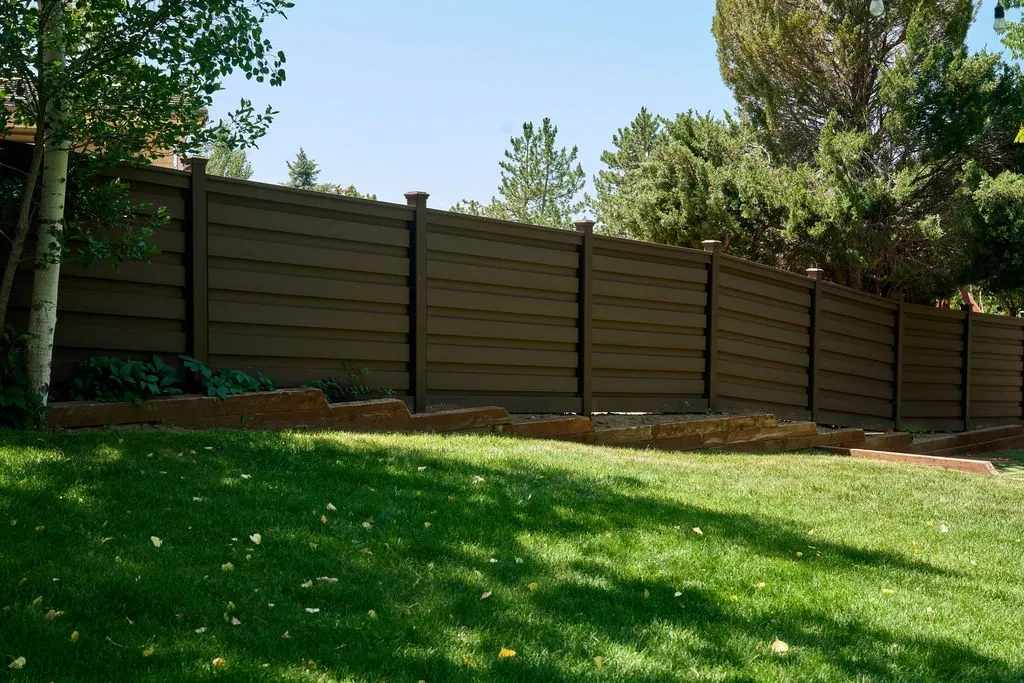
Privacy fences in Denver are often used to define outdoor rooms. Homeowners mount grills nearby, add seating walls, or rely on fencing to block prevailing winds. This makes post depth, spacing, and panel rigidity far more important than most expect.
Professional installers often reinforce posts or adjust layouts during privacy fence installation to prevent leaning and warping caused by repeated contact. These small adjustments help prevent premature repairs and keep the fence aligned over time. Residential yards benefit the most from this approach, particularly when designing long-term residential privacy fencing solutions that will support daily use.
Commercial properties face different privacy demands
While residential backyards focus on comfort and flexibility, commercial privacy fencing in Denver often serves security and liability purposes. Dumpster enclosures, equipment yards, and shared access areas all require fencing that resists frequent contact and heavy use.
A thoughtful privacy fence installation for commercial properties often involves heavier-gauge materials and reinforced posts. Choosing durable privacy fencing material ensures the fence maintains its function even with repeated opening, closing, and contact from vehicles or equipment.
You can explore different options for both residential and commercial properties through our dedicated privacy fencing solutions page, where materials and layouts are designed specifically for high-use environments.
Material selection matters more than homeowners expect
Not all fencing materials perform the same once daily use is factored in. Wood offers flexibility and a natural look but may show wear faster in high-contact areas. Vinyl resists moisture and sun exposure but requires proper reinforcement to prevent panel movement. Metal options provide strength but may sacrifice some visual softness.
The right privacy fencing material balances appearance with durability. During privacy fence installation, material selection should reflect how the yard will actually be used, not just how it looks on installation day. This is especially important for homeowners planning long-term residential privacy fencing that must handle pets, gatherings, and seasonal changes.
According to guidance on residential fence design from This Old House, planning for use patterns is just as important as choosing the right height or style, especially in climates with strong sun and temperature swings.
How the installation technique affects long-term performance
Even the best materials fail when installed without considering usage. In Denver, frost lines, soil expansion, and wind exposure all influence how a fence behaves over time. A professional privacy fence installation accounts for these factors by adjusting post depth and anchoring methods.
Homeowners who cut corners during installation often notice leaning panels or shifting posts within a few seasons. Working with experienced installers like Top Rail Fence Denver reduces these risks by aligning installation techniques with local conditions and real-world use.
Planning for shared boundaries and neighbor interaction
Another overlooked factor is how neighbors interact with shared fence lines. Privacy fences often become shared touchpoints, whether neighbors lean items against them or attach décor. Planning for this during privacy fence installation helps avoid disputes and unexpected wear.
Clear boundary placement and durable materials reduce maintenance issues over time. Many homeowners benefit from reviewing local guidelines before building. The City and County of Denver fence regulations provide helpful clarity on placement and height considerations.
When replacement becomes the smarter option
Sometimes, fences were never designed to handle the way they are being used. Panels bow, posts shift, and repairs become frequent. In these cases, reinvesting in a new privacy fence installation often provides better value than ongoing fixes.
Upgrading to stronger privacy fencing material allows homeowners to redesign their yards with confidence, especially when transitioning to more active outdoor use. This is a common scenario we see with aging residential privacy fencing across Denver neighborhoods.
Working with local experts makes the difference
Understanding how privacy fences are truly used is what separates average results from long-lasting solutions. Top Rail Fence Denver helps homeowners and businesses plan fencing that supports real lifestyles, not just ideal plans. From material selection to layout strategy, every detail is aligned with how fences are actually used.
If you are considering an upgrade or evaluating your current fence, reach out directly through our Contact Us page to speak with a fencing professional who understands Denver properties.