Homeowners in Denver enjoy bright skies, dry air, and over 300 days of sunshine each year. While that climate is ideal for outdoor living, it also creates unique challenges for fencing materials. One of the biggest factors many homeowners overlook is how elevation affects long-term durability. At higher altitudes, sunlight is more intense, and that directly influences how vinyl materials perform over time. This is why vinyl fence installation in the Denver area requires different considerations than in lower-elevation regions.
Understanding how altitude and UV exposure affect vinyl helps homeowners choose the right designs, materials, and installation approach for lasting performance.
Why High Altitude Changes Vinyl Aging Patterns
Denver’s elevation means the sun behaves differently than it does at sea level.
Stronger UV Exposure
At higher elevations, the atmosphere filters less ultraviolet radiation. That increased exposure accelerates surface wear on outdoor materials. During vinyl fence installation, using UV-stabilized products becomes essential to slow fading, brittleness, and surface chalking.
Daily Temperature Swings
Denver often experiences large temperature shifts between day and night. Vinyl expands and contracts slightly with temperature changes, and repeated cycles can stress lower-quality materials over time. Proper installation spacing helps manage this natural movement.
How Vinyl Differs From Other Fence Materials in Denver
Vinyl reacts to altitude differently than wood or metal, which influences long-term appearance and upkeep.
Color Retention and Surface Finish
Modern vinyl fencing is designed with protective additives that resist UV breakdown. However, not all products are equal. Choosing premium materials during vinyl fence installation helps ensure color consistency even under intense sun.
Moisture Resistance in a Dry Climate
Unlike wood, vinyl does not dry out, crack, or splinter in Denver’s low-humidity environment. This makes it especially appealing for homeowners who want predictable aging rather than weather-driven deterioration.
Choosing the Right Look for High-Sun Environments
Design choices play a major role in how a fence ages visually.
Exploring Modern Vinyl Fence Styles
Lighter-colored vinyl fence styles reflect sunlight more effectively than darker tones, reducing heat absorption. Smooth finishes also show less surface change over time compared to heavily textured panels.
Classic Appeal of a Vinyl Picket Fence
A vinyl picket fence remains a popular choice in Denver neighborhoods because its open design reduces heat buildup and allows airflow. This helps minimize thermal stress while maintaining curb appeal.
Privacy Designs That Perform Well at Altitude
Many homeowners want both seclusion and durability.
Smart Privacy Vinyl Fence Ideas
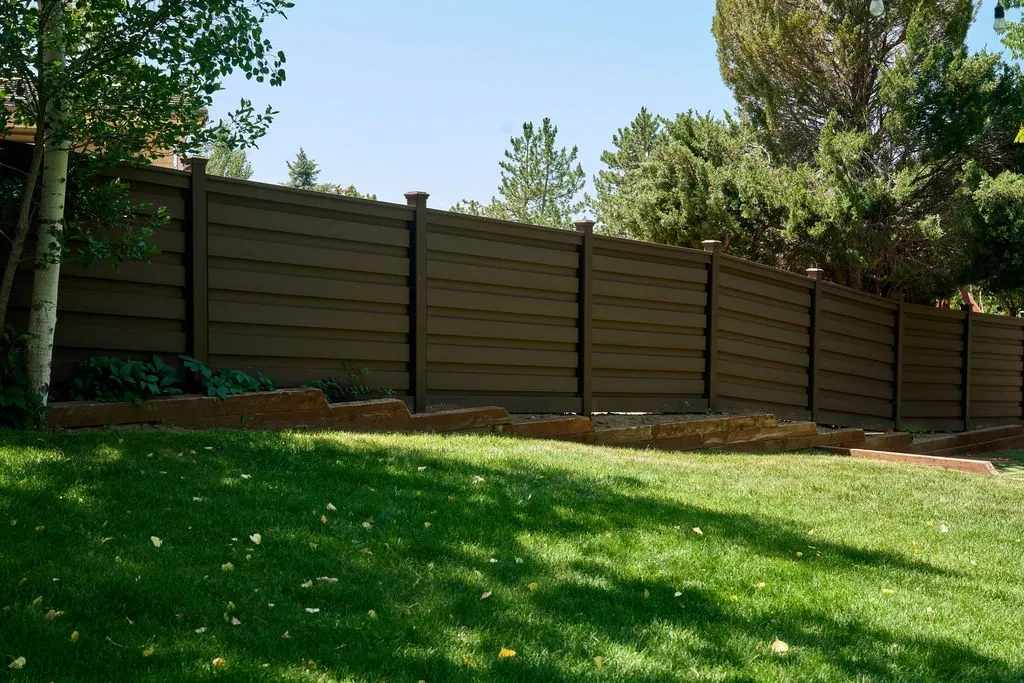
Solid panels designed with reinforced rails and thicker profiles handle sun exposure better than thin, hollow options. Incorporating airflow gaps or semi-privacy designs can also reduce heat retention while still maintaining privacy.
Layout and Orientation Matter
Fence lines that face south or west receive the most intense sunlight. During vinyl fence installation, experienced installers may recommend specific panel types or post spacing for these exposures.
Installation Techniques That Protect Against UV Stress
How a fence is installed has just as much impact as the material itself.
Expansion Allowances
Vinyl needs room to expand during hot summer days. Professional vinyl fence installation includes precise spacing that prevents warping or buckling over time.
Secure Post Foundations
Strong post setting keeps panels aligned as materials naturally shift with temperature changes. This foundation stability supports long-term performance in Denver’s variable climate.
Maintenance Expectations in High-Altitude Sun
One advantage of vinyl fencing is its minimal upkeep.
Simple Cleaning Routines
Occasional rinsing removes dust and airborne debris that can accumulate in dry climates. This light maintenance helps preserve the fence’s appearance without specialized products.
Visual Inspections
Checking for loose fasteners or minor alignment issues once or twice a year helps catch small problems early, especially on sun-facing sections.
Local Experience Makes a Difference
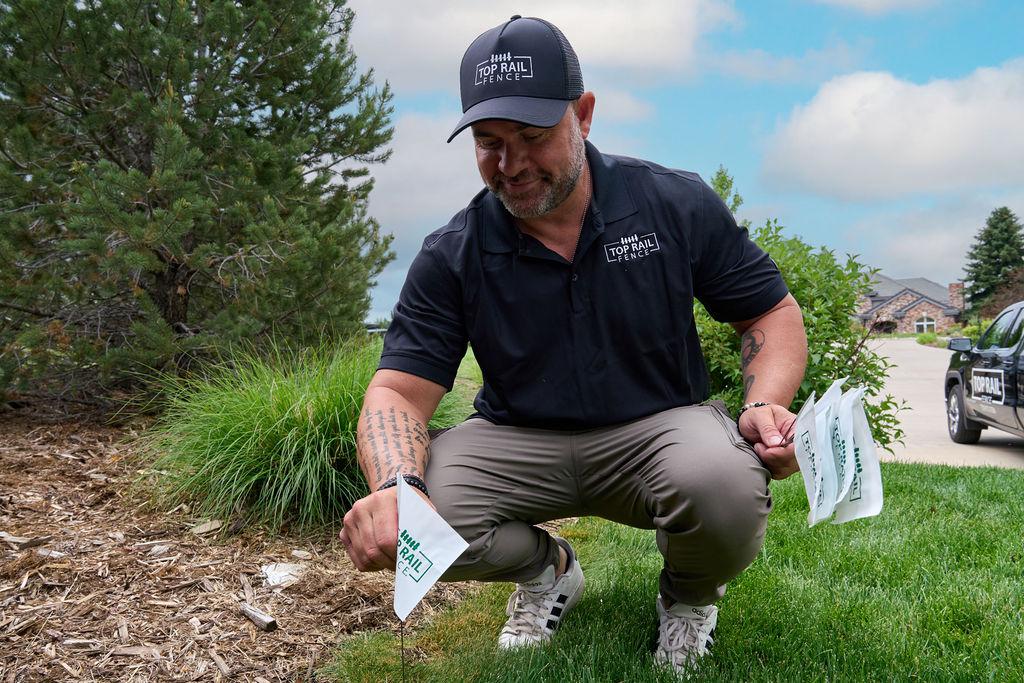
Denver’s elevation creates conditions that generic installation approaches may not fully address. Top Rail Fence Denver understands how altitude, UV exposure, and temperature swings influence fencing performance. That local expertise helps homeowners avoid premature aging and maintain a polished look.
During planning, discussions around vinyl fence installation focus on matching design choices with long-term durability.
Why Climate Data Matters for Fence Planning
Environmental research consistently shows that UV exposure increases with elevation. According to data from the National Oceanic and Atmospheric Administration on UV radiation, higher-altitude regions experience stronger UV intensity, which directly affects outdoor materials. This makes material quality and installation precision especially important in Denver.
Making the Right Choice for Your Property
Selecting the right combination of materials and design ensures your fence ages gracefully under intense sunlight. Whether you prefer clean modern panels or classic vinyl picket fence layouts, professional guidance helps protect your investment.
Top Rail Fence Denver supports homeowners through every stage of planning and vinyl fence installation, from selecting sun-resistant materials to ensuring proper spacing and post stability.
When you are ready to move forward, reaching out via our Contact Us page allows you to discuss your property, exposure levels, and design preferences in detail.
In Denver, the sun shapes how fences age, but with thoughtful planning and expert installation, vinyl fencing remains a durable, attractive solution backed by the experience of Top Rail Fence Denver.