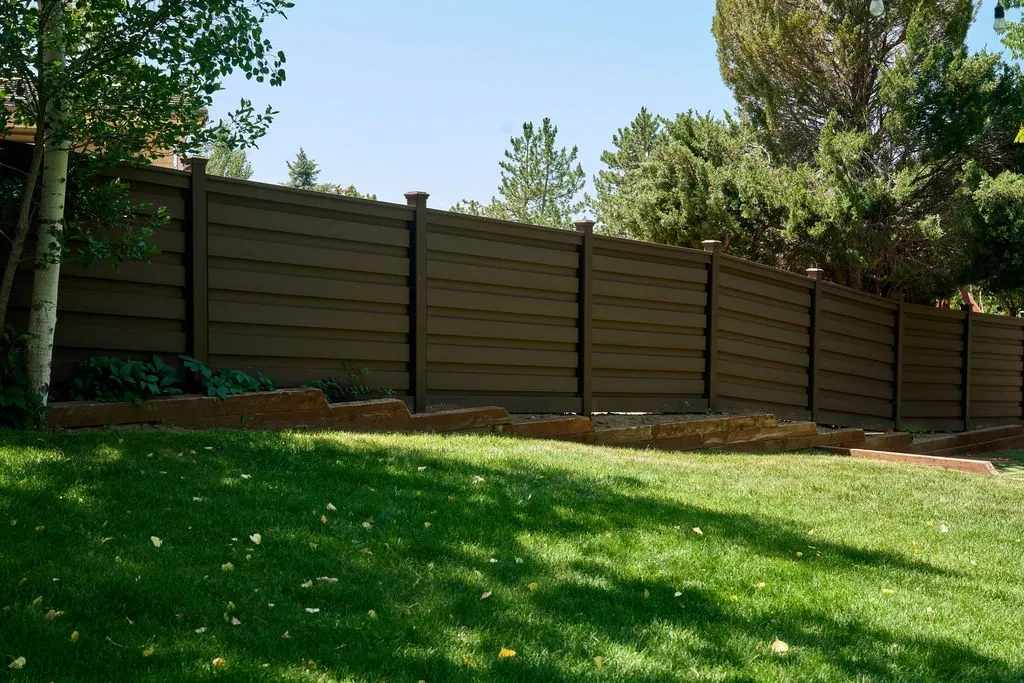
Heavy winter storms in Denver often leave more than just a light blanket of snow. In open yards and along shared property lines, wind can push snow into dense drifts that press firmly against fencing. After a particularly intense storm, many homeowners begin questioning whether their fence can withstand that kind of weight. This is where professional vinyl fence installation becomes essential. Families who work with Top Rail Fence Denver often learn that properly engineered vinyl fence installation is specifically designed to handle the unique snow patterns common across Colorado’s Front Range.
Understanding Snow Drift Pressure
Why Snow Does Not Accumulate Evenly
Snow rarely falls and settles in a perfectly even layer. Wind plays a major role in how it gathers. Along fence lines, especially those bordering open spaces or neighboring yards, snow can pile up several feet high. This creates lateral pressure against the lower portion of the fence.
Unlike rain, which drains away, snow can sit for days or even weeks. The longer it remains compacted, the more weight it exerts. Choosing durable fencing options ensures that this seasonal stress does not compromise structural integrity.
The Weight of Compacted Snow
Fresh powder may appear light, but once the wind packs it tightly, the density increases significantly. Repeated storms can add layers, amplifying the load placed on panels and posts. A carefully planned vinyl fence installation anticipates these forces, reinforcing areas that are most likely to experience drift buildup.
Structural Features That Improve Winter Performance
Reinforced Vinyl Fence Panels
High-quality vinyl fence panels are built with internal ribbing and thicker profiles that provide strength without sacrificing flexibility. This balance is critical in Denver, where winter temperatures fluctuate between freezing nights and mild afternoons.
During a professional vinyl fence installation, panels are secured within routed posts that distribute pressure evenly. Instead of concentrating force at a single connection point, the system spreads it across the entire section. This reduces the likelihood of cracking or bowing under snow drift weight.
Post Depth and Anchoring
Snow drift pressure affects more than panels. It also challenges the stability of posts. In Denver’s clay-heavy soil, freeze-thaw cycles can shift shallow footings. Proper fence installation includes setting posts deep enough to remain stable even when the surrounding ground expands or contracts.
Midway through the planning process, many homeowners review vinyl fencing solutions to compare reinforcement levels and height options. Taller privacy fences may require additional structural consideration in areas prone to significant drifting.
Flexibility Is a Strength, Not a Weakness
Controlled Movement Under Pressure
One common misconception is that rigid materials are stronger. In reality, slight flexibility allows fencing to absorb force without breaking. Professionally executed vinyl fence installation leaves calculated space within posts so rails can shift subtly when pressure builds. Once the snow melts, the fence returns to its original alignment.
This adaptive performance is one reason many homeowners in Denver choose vinyl over wood or metal when evaluating durable fencing options.
Preventing Panel Separation
When snow pushes consistently against a fence, weak connections may begin to separate. Quality vinyl fence panels interlock securely with rails that are reinforced for stability. Expert fence installation ensures these connections remain tight even after prolonged exposure to winter conditions.
Design Considerations for Drift-Prone Properties
Fence Height and Orientation
Homes located near open fields or at higher elevations often experience stronger winds. Orientation plays a role in how drifts form. A strategic vinyl fence installation may include slight spacing at the base or reinforced rails in high-impact sections.
Selecting from various durable fencing options allows homeowners to match panel style with environmental demands rather than focusing solely on appearance.
Drainage and Grading Around the Fence Line
Proper drainage prevents melting snow from pooling at the base of posts. During fence installation, grading adjustments can direct water away from structural components. This reduces erosion and preserves soil stability throughout winter and early spring.
According to the American Society of Civil Engineers, lateral loads from snow and wind should be considered in structural design, particularly in regions that experience repeated freeze-thaw cycles. Applying these engineering principles to residential fencing enhances long-term resilience.
Maintenance After Heavy Snowfall
Post Storm Inspection Tips
After significant drifting, homeowners should visually inspect the fence line. Look for leaning posts, shifted panels, or compacted snow that remains pressed tightly against the surface. While vinyl fence installation is designed to withstand pressure, clearing excessive buildup can reduce prolonged stress.
Preparing for the Next Storm
Preventative steps help preserve performance. Keeping the fence line clear of debris and ensuring proper grading supports overall durability. Partnering with Top Rail Fence Denver gives homeowners guidance tailored to local weather patterns and property layouts. Their expertise in vinyl fence installation across diverse neighborhoods ensures solutions are based on real-world winter conditions.
Long-Term Reliability Through Professional Installation
Winter in Denver is unpredictable. Some seasons bring mild snowfall, while others deliver repeated blizzards that create significant drifts. Investing in expert vinyl fence installation ensures your property boundary is built to handle both extremes.
Unlike temporary fixes or surface-level adjustments, professional fence installation focuses on foundational stability. Deep-set posts, reinforced vinyl fence panels, and climate-appropriate spacing all contribute to reliable performance year after year.
Homeowners exploring durable fencing options often discover that thoughtful planning makes the difference between seasonal stress and lasting strength. Working with Top Rail Fence Denver means choosing a team that understands how snow behaves along property lines and how to design fencing systems that stand firm against that pressure.
If your yard experiences frequent drifting or you want confidence before the next winter storm arrives, connect through our Contact Us page to schedule a consultation. The right vinyl fence installation today can ensure your fence remains secure, aligned, and dependable through every Denver snow season.