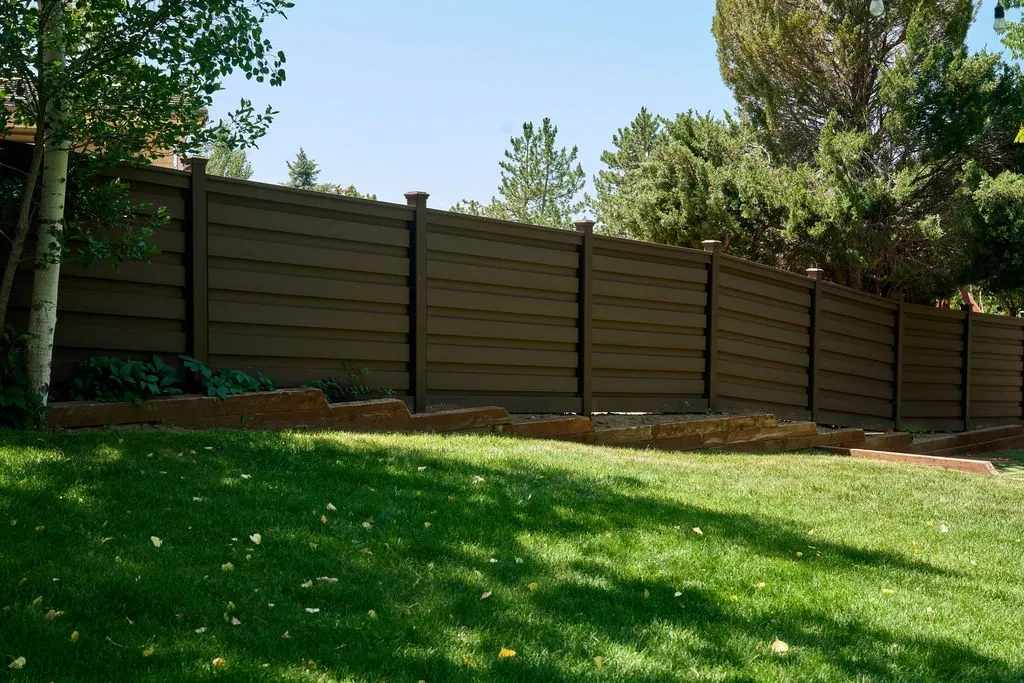
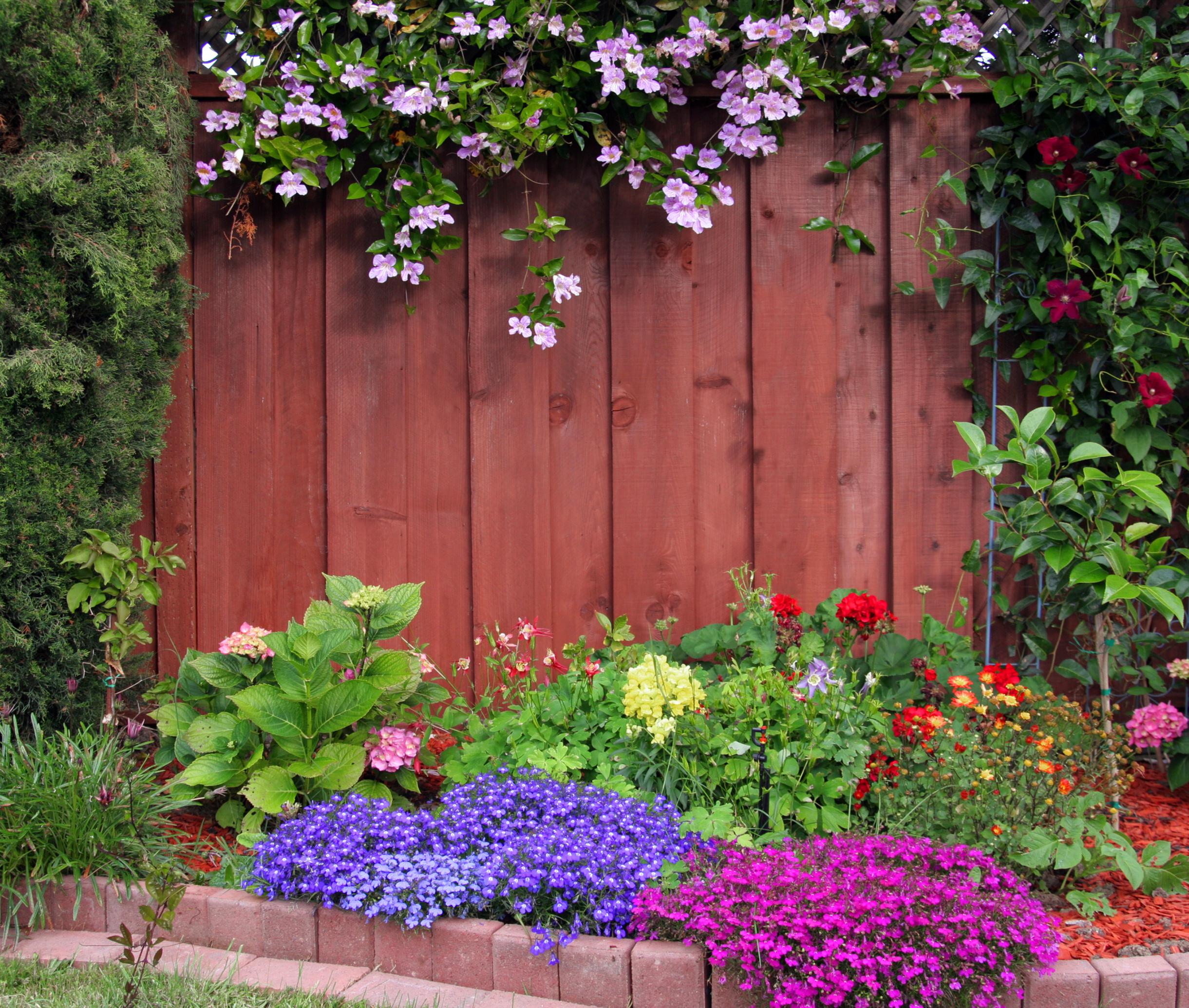
Wood fencing remains one of the most popular choices for homeowners in Denver because of its natural appearance, flexibility in design, and long-term value. However, the Front Range climate introduces a unique challenge that many property owners don’t fully anticipate: repeated freeze–thaw cycles. Over time, these temperature swings can significantly affect wooden fence posts, even when the rest of the fence appears solid.
Understanding how freeze–thaw conditions impact posts specifically helps homeowners plan smarter wood fence installation projects and stay ahead of costly repairs.
Why Freeze–Thaw Cycles Are Tough on Wood Fencing
In Denver, temperatures can fluctuate dramatically within a single day. Moisture enters the soil around fence posts, freezes overnight, expands, then thaws during warmer daylight hours. This cycle repeats dozens of times each winter.
For wood fencing, the posts are the most vulnerable component because they are in constant contact with soil moisture. Each freeze pushes soil upward, and each thaw allows it to settle unevenly. Over time, this movement slowly loosens the post’s footing.
How Soil Expansion Creates Post Movement
Clay-heavy soils common in many Denver neighborhoods expand more aggressively when frozen. As the ground shifts, wooden fence posts can begin to lean, twist, or rise out of alignment. Once movement starts, gravity and wind pressure accelerate the problem.
Even a well-built fence can experience sagging panels if post stability is compromised early on.
Signs Freeze–Thaw Damage Is Developing
Freeze–thaw damage rarely appears overnight. Instead, it builds gradually across seasons. Paying attention to early warning signs can help reduce long-term fence maintenance costs.
Visual Clues Above Ground
A fence that once stood straight may start to show uneven lines along the top rail. Gates may drag or fail to latch properly. These issues often point to shifting wooden fence posts rather than panel failure.
Problems Hidden Below the Surface
Below ground, water saturation weakens the surrounding soil. If posts were set too shallow during wood fence installation, freeze–thaw cycles amplify the issue. Shallow footings allow posts to heave upward with the soil instead of resisting movement.
Why Post Depth Matters More Than Fence Boards
Many homeowners focus on boards, stains, and finishes, but post installation determines how long wood fencing will last in Denver.
Proper Burial Depth for Denver Conditions
Posts must extend below the frost line to remain stable. When posts are anchored deep enough, frozen soil moves around them instead of lifting them. This is especially critical for privacy fences that act as wind barriers.
For property owners exploring new wood fence installation, working with experienced installers who understand local soil conditions makes a measurable difference.
The Role of Drainage in Fence Longevity
Drainage is an often-overlooked factor that directly impacts freeze–thaw stress.
How Water Retention Accelerates Damage
When water pools around fence posts, it increases expansion during freezing temperatures. Gravel backfill improves drainage by allowing moisture to move away from the post instead of collecting against it.
According to guidance from the USDA Forest Service on wood durability and ground contact, reducing prolonged moisture exposure is one of the most effective ways to extend the lifespan of outdoor wood structures.
Fence Maintenance Strategies That Reduce Freeze–Thaw Impact
Routine fence maintenance can slow deterioration even after years of exposure.
h3: Sealing and Treating Wood Posts
Pressure-treated posts resist rot better, but sealing exposed wood annually adds another layer of protection. Sealants reduce moisture absorption and limit expansion when temperatures drop.
Monitoring Post Alignment Each Spring
Spring is the best time to inspect wood fencing. As the ground fully thaws, minor post movement becomes visible. Correcting alignment early prevents strain from spreading to rails and panels.
If you notice recurring post issues, it may be time to consult Top Rail Fence Denver for a professional assessment rather than repeating temporary fixes.
When Repairs Are No Longer Enough
Some freeze–thaw damage reaches a point where repairs become inefficient.
Indicators Replacement Is the Smarter Option
If multiple wooden fence posts are leaning or lifting at once, the surrounding soil has likely lost structural integrity. In these cases, partial replacement often leads to uneven results.
Upgrading post depth and drainage during replacement improves performance long-term, especially when handled by experienced crews familiar with Denver conditions.
Homeowners considering broader upgrades can explore professional wood fence installation options designed specifically for freeze–thaw environments.
Planning Smarter Wood Fencing Projects in Denver
The best defense against freeze–thaw damage is proper planning before construction begins.
Choosing the Right Installation Partner
Local experience matters. Top Rail Fence Denver understands how soil composition, frost depth, and elevation affect wood fencing performance. This knowledge directly influences post spacing, depth, and backfill choices.
Final Thoughts on Freeze–Thaw Effects
Freeze–thaw cycles are unavoidable in Denver, but fence failure is not. With proper post depth, drainage, and ongoing fence maintenance, wood fencing can remain stable and attractive for decades.
If your fence is showing signs of seasonal movement or you’re planning a new project, Top Rail Fence Denver offers solutions built for local conditions. For expert guidance, inspections, or upgrades, you can contact us to discuss options that protect your investment year after year.