Choosing wood fence installation in Denver is not just about style or privacy. It is also about understanding how local conditions affect the lifespan of your fence. Even homes only a few streets apart can experience dramatically different aging patterns. One fence may retain its color and structure for years, while another shows signs of warping or fading much sooner. Homeowners exploring wood fencing services in Denver often discover that block-specific factors play a bigger role than expected. With guidance from Top Rail Fence Denver, these differences can be anticipated and planned for before installation begins.
Local Environmental Conditions Shape Fence Aging
Sun Exposure and Daily Temperature Swings
Denver experiences intense sunlight combined with rapid temperature changes. Fences on blocks with open exposure receive more UV radiation, which dries out wood fibers and accelerates surface aging. Shaded streets, especially those with mature trees or north-facing yards, tend to protect wood longer. Proper wood fence installation accounts for sun direction and spacing to reduce uneven drying.
Soil and Drainage Variations
Some neighborhoods sit on soil that drains quickly, while others retain moisture after snowmelt or rainfall. Poor drainage keeps fence posts damp longer, increasing the risk of decay. Installing posts correctly and selecting suitable materials helps reduce damage caused by lingering moisture and improves overall durability.
Material Selection Makes a Visible Difference
Choosing the Right Wood for Denver
Different woods react differently to Denver’s dry climate. Cedar naturally resists insects and decay, while pressure-treated pine offers affordability with added protection. Selecting the right material ensures the fence ages consistently instead of deteriorating unevenly from panel to panel. Experienced installers like Top Rail Fence Denver help homeowners choose wood that matches their specific block conditions.
How Wood Fence Slats Affect Longevity
The size, spacing, and orientation of wood fence slats influence airflow and moisture retention. Wider slats may warp if exposed to direct sunlight for long periods, while properly spaced boards allow ventilation that reduces trapped moisture. Thoughtful design choices during wood fence installation can significantly slow aging.
Installation Quality Impacts Long-Term PerformancePost Depth and Structural Integrity
Improperly set posts are one of the most common reasons fences age poorly. Inconsistent depth or lack of gravel drainage can cause shifting during freeze and thaw cycles. Professional installation ensures posts remain stable, reducing stress on rails and panels over time.
Fence Design and Environmental Resistance
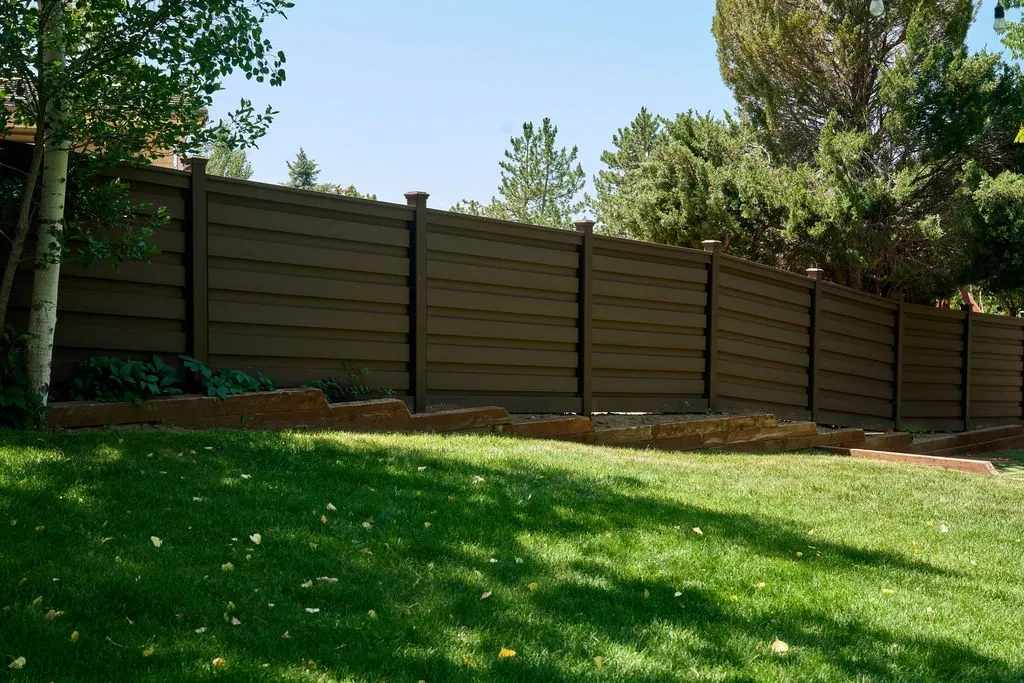
Well-planned wood fence designs are not only visually appealing but also practical. Certain layouts handle wind pressure better, while others reduce direct sun exposure on individual boards. Choosing a design that complements your block’s conditions improves both appearance and lifespan. You can explore design and material options through the wood fencing collection, which highlights styles suited for different environments.
Maintenance Habits Vary by Neighborhood
Why Some Fences Last Longer
Regular wood fence maintenance plays a major role in how fences age. Sealing or staining protects wood from UV damage and moisture loss. Homeowners who maintain their fences consistently often see slower aging, even in high-exposure areas.
Landscaping and Irrigation Effects
Sprinklers aimed at fence lines can cause excessive moisture buildup on certain blocks. Over time, this leads to discoloration and decay near the base of the fence. Adjusting irrigation systems and maintaining proper clearance helps preserve wood integrity.
Planning for Even Aging Across Your Property
Understanding why fences age differently across Denver allows homeowners to make informed decisions from the start. Climate, soil, design, and maintenance all work together to determine how your fence will look years after installation. According to guidance from the Colorado State University Extension, proper wood selection and moisture control are essential for long-term outdoor wood performance in Colorado’s climate.
Invest in a Fence Built for Denver Conditions
A fence should enhance your property, not become a recurring repair project. By choosing professional wood fence installation, selecting appropriate materials, and committing to routine care, you can ensure your fence ages gracefully no matter the block. Top Rail Fence Denver brings local expertise that helps homeowners navigate these variables with confidence.
If you are ready to plan a fence designed for durability and visual appeal, connect with our team through the Contact Us page. The right approach today ensures your wood fence continues to perform and look great for years to come.