For many homeowners in Denver, choosing wood fence installation feels straightforward. Privacy, budget, and curb appeal usually guide the decision, and once a familiar style is selected, the conversation often ends there. However, the design choice most people default to is rarely examined closely, even though it can shape how a fence performs, ages, and adds value to a property. Homeowners researching wood fencing options in Denver are often surprised to learn that the most common design is not always the most practical for their specific needs. With insight from Top Rail Fence Denver, it becomes clear why this decision deserves more attention.
Why Familiar Fence Styles Feel Like the Safe Choice
Comfort and Visibility Across Neighborhoods
Drive through almost any Denver neighborhood, and you will notice repeating fence styles. Familiarity creates comfort, and many homeowners assume that if a design works for their neighbor, it will work for them too. This mindset often leads to quick decisions during wood fence installation, without considering factors like airflow, sunlight exposure, or long-term maintenance needs.
Influence of Builders and Past Trends
In many cases, the fence design chosen is simply what was popular when the home was built. Builders often selected designs that were cost-effective and easy to install at scale. While these styles still serve a purpose, modern wood fence designs offer more flexibility, durability, and visual appeal than what was common years ago.
The Stockade Fence Question Most Homeowners Skip
Understanding the Appeal of a Stockade Fence
The stockade fence is one of the most frequently installed options because it provides immediate privacy. Solid panels block visibility and create a clear boundary, which is appealing for families and pet owners. During wood fence installation, this style is often chosen without discussion because it is seen as the default solution.
Hidden Tradeoffs in Denver’s Climate
While a stockade fence delivers privacy, it can struggle in Denver’s climate if not installed thoughtfully. Limited airflow can trap moisture, leading to faster wear on boards and posts. Sun exposure on solid panels may also cause uneven fading or warping over time. These factors do not make the design wrong, but they do mean homeowners should question whether it truly fits their property conditions.
Exploring Alternative Wood Fence Designs
Semi-Private Options That Balance Form and Function
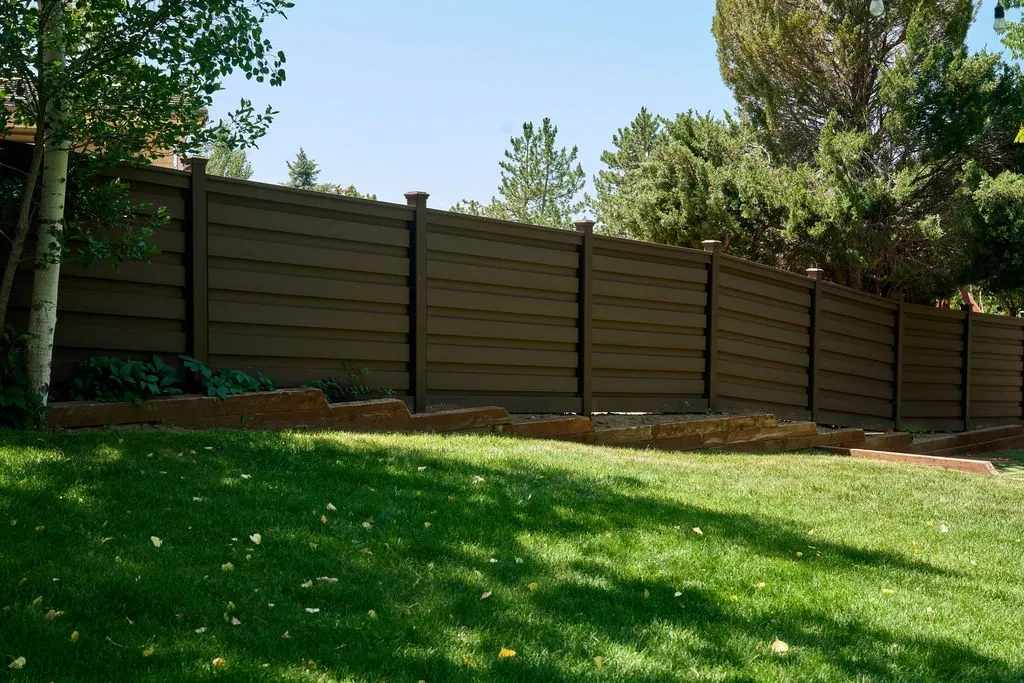
Some wood fence designs offer privacy while still allowing airflow. Spaced board layouts and alternating board styles reduce wind pressure and help wood dry evenly after rain or snow. These designs often age more consistently, especially in areas with strong sun and seasonal weather shifts.
Visual Impact and Property Value
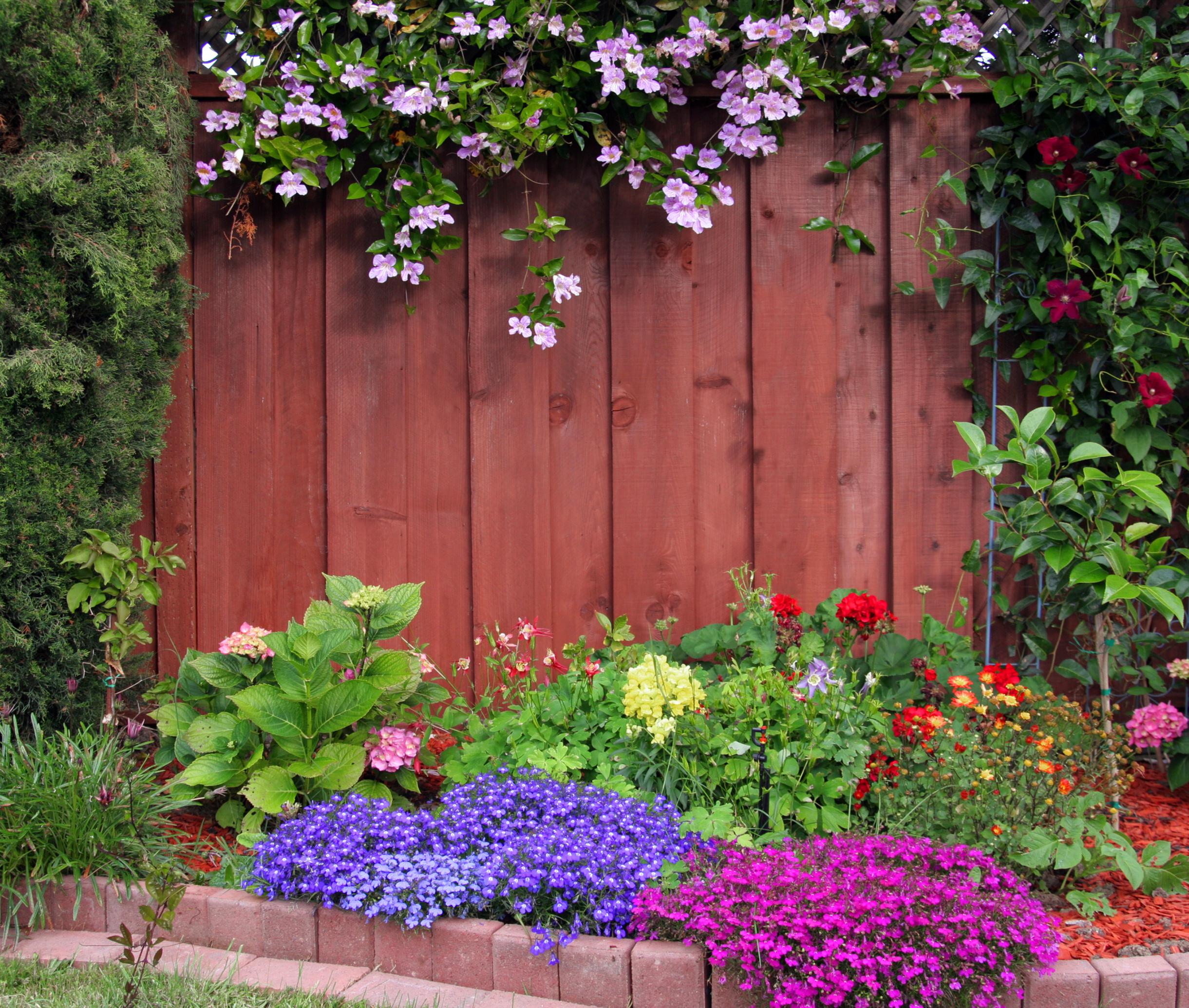
Fence design plays a bigger role in curb appeal than many homeowners realize. A thoughtfully chosen design can complement architecture, landscaping, and outdoor living spaces. Midway through the planning process, reviewing options in the wood fencing collection helps homeowners visualize how different styles align with their long-term goals rather than defaulting to the most common choice.
Installation Decisions That Shape Long-Term Results
Fence Installation Is More Than Setting Posts
Proper fence installation involves more than digging holes and attaching boards. Post depth, spacing, and alignment all influence how a fence handles wind and ground movement. A design that works well structurally must be supported by precise installation techniques to prevent leaning or early deterioration.
Matching Design to Property Layout
Every yard is different. Sloped lots, corner properties, and homes with varying sun exposure benefit from tailored wood fence installation approaches. Customizing the design ensures the fence performs well across the entire property rather than failing in specific sections.
Maintenance Expectations Often Overlooked
How Design Affects Upkeep
Some designs require more frequent staining or sealing than others. Solid fences may show wear faster on sun-facing sides, while spaced designs distribute exposure more evenly. Understanding these differences helps homeowners set realistic expectations before committing to a style.
Climate-Specific Guidance
According to guidance from Colorado State University Extension, outdoor wood structures in Colorado benefit from proper ventilation and moisture control. Fence designs that allow airflow tend to experience fewer long-term issues, especially in dry, high-altitude environments like Denver.
Making a Confident Design Decision
Choosing a fence should be an informed decision, not an automatic one. By questioning familiar choices and exploring alternative wood fence designs, homeowners gain more control over durability, appearance, and maintenance needs. Top Rail Fence Denver works with homeowners to evaluate property conditions and recommend solutions that fit both lifestyle and climate.
Build a Fence That Fits Your Property
The right fence design enhances privacy, supports long-term performance, and complements your home rather than creating future maintenance challenges. Thoughtful wood fence installation ensures your investment delivers value for years to come. If you are ready to discuss design options or want expert input on what works best for your property, connect with our team through the Contact Us page. Making the right choice today can transform how your fence looks and performs tomorrow.