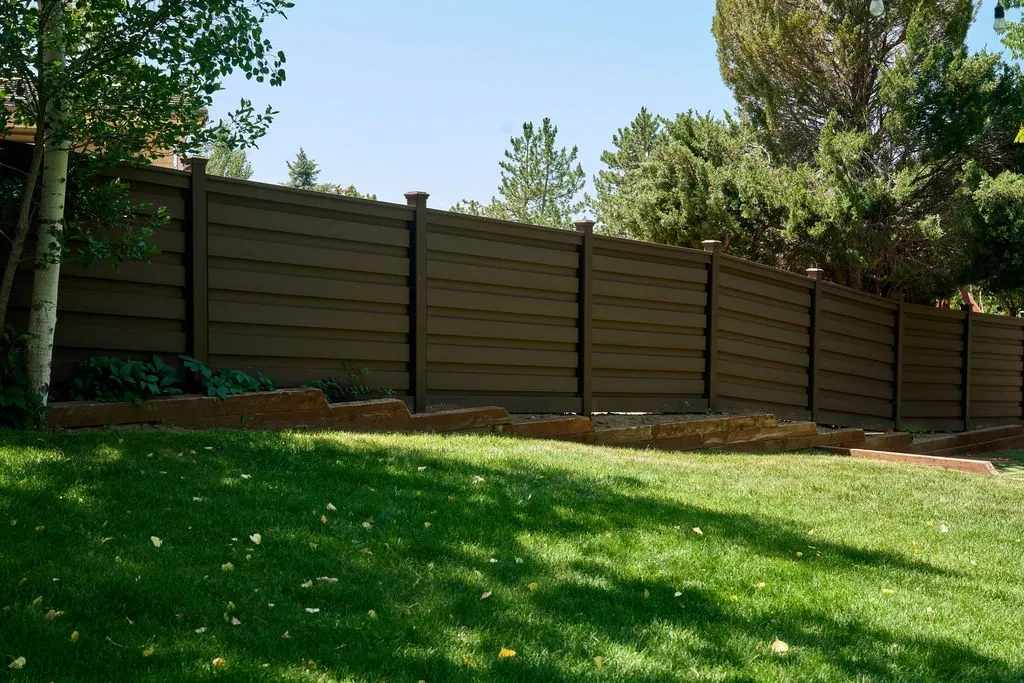
For many homeowners in Denver, the first winter after wood fence installation can bring unexpected changes. What looked perfectly aligned and evenly spaced in the fall may show slight gaps, subtle shifts, or minor surface cracking by early spring. These adjustments are not necessarily signs of failure. Instead, they reflect how wood fencing responds to Denver’s high-altitude climate.
Understanding why these seasonal changes occur helps homeowners set realistic expectations and protect their investment. With guidance from Top Rail Fence Denver, property owners can plan for winter performance rather than being surprised by it.
Why High Altitude Changes How Wood Behaves
Denver’s elevation and dry winter air create a unique environment for outdoor structures. Cold temperatures combined with intense sun exposure accelerate natural expansion and contraction cycles in wood.
Moisture Loss During Cold, Dry Months
During winter, humidity levels in Denver often drop significantly. Wood naturally releases moisture into the dry air, causing boards to shrink slightly. After a professional wood fence installation, this moisture shift may create small gaps between pickets in a wood privacy fence.
These gaps are typically temporary. As temperatures rise and humidity returns in spring, boards often expand again, reducing visible spacing. This cycle is part of the normal aging process of wood fencing in a high-altitude environment.
Freeze and Thaw Ground Movement
Another adjustment homeowners notice relates to soil movement. Freeze and thaw cycles cause the ground to expand and contract, which can slightly shift fence posts. Proper fence installation accounts for this by setting posts deep enough to minimize seasonal movement.
Visual Changes After the First Winter
Aesthetic adjustments are often the first thing homeowners observe. These changes may seem concerning, but are usually predictable in Denver’s climate.
Surface Checking and Minor Cracks
Cold temperatures and rapid moisture loss can lead to small surface cracks known as checking. These appear along the grain of boards and are common in wood fencing. Checking does not typically affect structural strength but does highlight the importance of protective sealing and maintenance.
Subtle Color Shifts
Snow reflection combined with high UV exposure can cause uneven fading on a wood privacy fence. South-facing sections often lighten faster due to prolonged sunlight exposure, even in winter months.
Homeowners exploring maintenance strategies and design options can review local solutions through Top Rail Fence Denver to better understand how regional conditions influence long-term appearance.
Structural Considerations for Winter Durability
While most winter adjustments are cosmetic, structural planning during wood fence installation plays a critical role in long-term stability.
Post Depth and Concrete Setting
Deep-set posts help anchor the fence below the frost line, reducing movement caused by freezing soil. A professional fence installation team considers soil type and expected freeze depth when planning post placement.
Board Spacing for Seasonal Movement
Experienced installers leave slight spacing between boards to allow for expansion during warmer months. Without this foresight, boards may press tightly together after spring moisture returns, leading to warping. Thoughtful spacing ensures your wood privacy fence performs consistently throughout seasonal transitions.
Maintenance Adjustments After Winter
Once the snow melts, homeowners often reassess their wood fencing to identify areas that need attention.
Spring Inspection Checklist
Checking for loose fasteners, leaning posts, or uneven panels helps address small concerns early. Minor alignment adjustments are common after the first winter and are easier to correct when caught promptly.
Resealing and Protection
Applying a protective sealant after winter helps restore moisture balance and defend against summer sun exposure. According to Colorado State University Extension, maintaining exterior wood with appropriate sealants significantly improves longevity in dry climates. This step is particularly important in Denver, where UV intensity remains high year-round.
Setting Realistic Expectations
Many homeowners expect their fence to look the same year-round. However, wood fencing is a natural material that responds visibly to environmental shifts. Recognizing these patterns allows homeowners to see seasonal changes as normal rather than problematic.
A properly completed wood fence installation anticipates winter contraction, soil movement, and UV exposure. When installation is executed with regional expertise, the structure remains strong even as minor visual adjustments occur.
Working with Top Rail Fence Denver ensures that homeowners receive climate-specific guidance. From selecting the right lumber to planning spacing and post depth, professional insight reduces surprises after the first winter.
Long-Term Performance in Denver’s Climate
Over time, repeated seasonal cycles can actually stabilize a fence. Once wood adapts to local humidity levels and temperature patterns, movement often becomes less noticeable.
Routine maintenance combined with professional fence installation techniques ensures that your wood privacy fence continues to provide security and curb appeal. Investing in quality materials and expert craftsmanship minimizes structural concerns and extends the lifespan of your fence.
Homeowners who partner with Top Rail Fence Denver gain the advantage of local experience and tailored installation strategies. If you are preparing for a new project or want to ensure your fence is ready for another winter, visit our Contact Us page to schedule a consultation.
Planning for high-altitude winters rather than reacting to them makes all the difference. With thoughtful wood fence installation, proper maintenance, and an understanding of Denver’s seasonal patterns, your fence can remain both beautiful and durable for years to come.