Installing wood fencing in Denver is not a one-size-fits-all project. While flat suburban yards offer predictable conditions, sloped lots introduce structural and environmental variables that directly influence performance. Homeowners considering wood fencing often focus on style and privacy, but terrain plays an equally important role in long-term durability.
From soil stability to drainage patterns, the difference between a hillside property and a level yard affects everything from fence construction methods to board spacing. With insight from Top Rail Fence Denver, homeowners can better understand how slope changes the behavior of wood over time.
Terrain Impacts Structural Movement
The first major difference between sloped and flat properties is how the ground supports the fence.
Soil Pressure on Sloped Lots
On a hillside, gravity naturally shifts soil downhill. Over time, this subtle movement places pressure on fence posts. Even a well-planned wood fence installation must account for soil displacement to prevent leaning or uneven panels.
Professional fence construction techniques often include deeper post settings and reinforced anchoring when building on slopes. Without these adjustments, wood fencing can gradually tilt as soil settles.
Stable Conditions on Flat Yards
Flat suburban lots typically experience more uniform soil movement. While expansion and contraction still occur due to seasonal moisture changes, the stress is distributed more evenly across the fence line. This consistency often allows for simpler wood fence installation methods compared to sloped terrain.
Drainage Differences That Affect Longevity
Water behaves differently on a slope than it does on level ground. This directly influences how wood fencing ages in Denver’s climate.
Water Runoff on Hillsides
Sloped lots channel rain and melting snow downhill, concentrating moisture near the base of certain fence sections. Posts located at the bottom of the slope may experience prolonged exposure to damp soil. Over time, this can accelerate wear if fence construction does not include proper drainage planning.
Selecting a cedar wood fence can offer natural resistance to moisture and insects, making it a practical choice for hillside properties. Cedar’s durability supports long-term performance even in areas where runoff is more concentrated.
Even Moisture Distribution on Flat Ground
In contrast, flat yards tend to distribute water more evenly. While pooling can occur in low spots, overall exposure is typically balanced across the fence line. This allows wood fencing to dry more consistently after storms or snowmelt.
Homeowners exploring material options for their property can review regional solutions through Top Rail Fence Denver to determine which styles align best with their terrain.
Design Adaptations for Sloped Properties
Fence layout varies significantly between level and inclined landscapes.
Stepped Versus Racked Installation
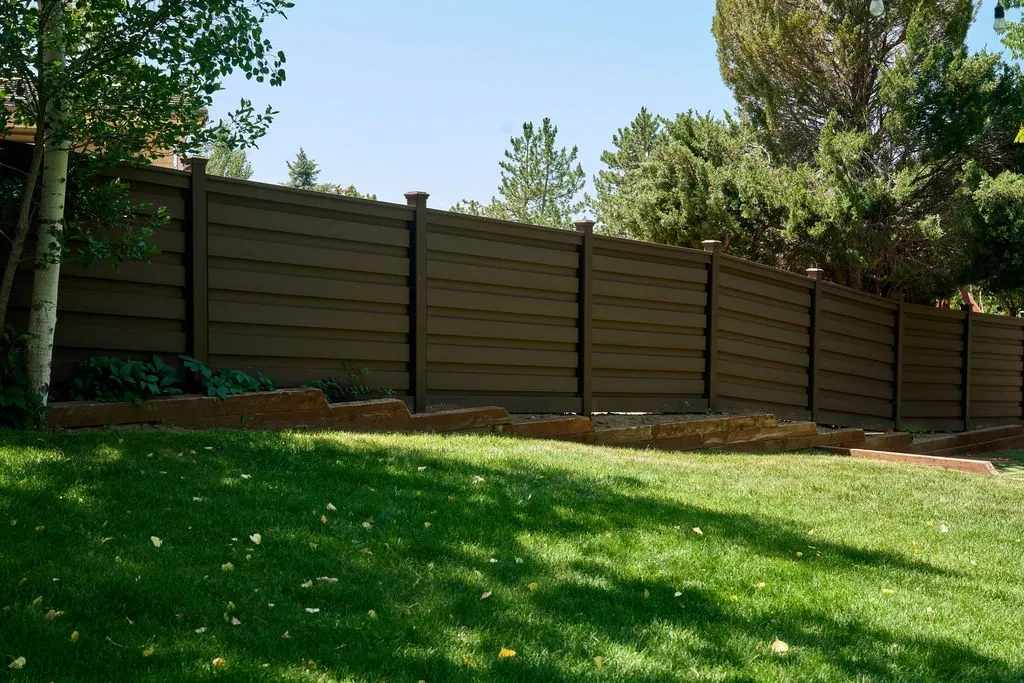
On sloped lots, installers must decide between stepped panels or racked designs. A stepped approach creates a stair-step appearance, while racking follows the natural contour of the land. Each method influences how wood fencing responds to wind and ground movement.
A carefully executed wood fence installation ensures that rails remain secure and that board alignment maintains both structural integrity and visual appeal.
Uniform Lines on Flat Yards
Flat properties allow for straight, continuous panel alignment. This simplicity reduces stress on joints and connections, often resulting in fewer long-term adjustments. However, even on flat land, proper fence construction remains essential to withstand Denver’s seasonal shifts.
Wind Exposure and Elevation Factors
Elevation and open hillside exposure can intensify wind pressure on wood fencing.
Increased Wind on Slopes
Hillside properties often experience stronger wind gusts due to unobstructed airflow. Solid panels may face greater lateral force, making reinforcement critical during wood fence installation. Choosing a cedar wood fence with sturdy rails and quality fasteners enhances resistance to these conditions.
Neighborhood Shelter on Flat Lots
Flat suburban neighborhoods frequently benefit from surrounding homes and landscaping that act as wind buffers. This can reduce direct pressure on fences, though proper installation remains vital for durability.
Aesthetic Considerations Based on Terrain
Slope influences not only performance but also appearance.
Visual Flow on Hillsides
On sloped terrain, alignment and spacing must complement the natural grade of the yard. A thoughtfully planned wood fencing design enhances curb appeal while maintaining structural balance.
Clean Lines in Suburban Settings
Flat yards allow for symmetrical layouts and consistent fence height across the property. This uniformity often simplifies fence construction while delivering a polished finish.
According to the International Association of Certified Home Inspectors, proper drainage, airflow, and routine sealing are essential for protecting exterior wood structures from premature deterioration. These best practices are especially important when planning hillside fence projects in Denver, where shifting soil and concentrated runoff can significantly affect long-term durability.
Maintenance Differences Over Time
Terrain affects how homeowners maintain their fences in the years following installation.
Monitoring Lower Slope Sections
Sections at the bottom of a hill may require more frequent inspections to ensure posts remain stable and boards are not retaining excess moisture. Periodic sealing helps preserve the integrity of a cedar wood fence exposed to variable runoff.
Routine Care on Level Yards
Flat yards typically require balanced maintenance across all sections. Seasonal checks after winter help confirm that posts remain aligned and boards have not shifted due to freeze and thaw cycles common in Denver.
Working with Top Rail Fence Denver ensures that every wood fence installation is tailored to the property’s grade and environmental exposure. From selecting appropriate materials to reinforcing posts on slopes, professional planning makes a measurable difference.
If you are considering new wood fencing and want guidance specific to your property’s terrain, visit our Contact Us page to schedule a consultation. Thoughtful fence construction that accounts for slope versus flat ground ensures your fence performs beautifully and reliably in Denver’s unique landscape for years to come.