For homeowners investing in wood fence installation, the focus often stays on privacy, height, and overall appearance. Yet in Denver, one overlooked detail becomes obvious the moment intense summer sunlight hits one side of the fence all day. Uneven sun exposure can dramatically affect color, board stability, and long-term performance. Property owners exploring options with Top Rail Fence Denver often discover that thoughtful planning during wood fence installation makes a significant difference in how a fence ages under Colorado’s powerful sun.
Why One-Sided Sun Exposure Changes Everything
How Colorado Sun Impacts Wood Fibers
At higher elevations like Denver, ultraviolet radiation is stronger and more direct. When one side of a fence faces south or west, it absorbs hours of continuous sunlight. Over time, this exposure breaks down lignin in the wood, leading to fading, drying, and surface checking. Meanwhile, the shaded side retains more moisture and maintains its original tone longer.
This contrast becomes highly noticeable within the first year after wood fence installation, especially with lighter finishes. Without proper sealing and board selection, the difference between the sun-facing and shaded sides can look like two completely different fences.
Temperature Fluctuations and Board Movement
Sun exposure does more than change color. It causes expansion and contraction cycles that stress boards and fasteners. During hot afternoons, the exposed side expands. At night, rapid cooling can cause contraction. Over repeated cycles, this movement may lead to minor warping or slight gaps between boards.
Strategic wood fence installation accounts for this movement by allowing proper spacing and using quality fasteners that hold boards securely without restricting natural expansion.
Material Choice Matters More Than Most Realize
Why a Cedar Wood Fence Performs Differently
Not all lumber reacts the same way to sunlight. A cedar wood fence is a popular choice in Denver because cedar contains natural oils that resist decay and insects. These oils also help the wood tolerate intense sun exposure better than some alternative species.
While cedar will still fade to a silvery tone over time, it tends to weather more evenly. When paired with proper sealing and thoughtful wood fence maintenance, a cedar wood fence can maintain its structural integrity even when one side receives constant sunlight.
Comparing Design and Board Orientation
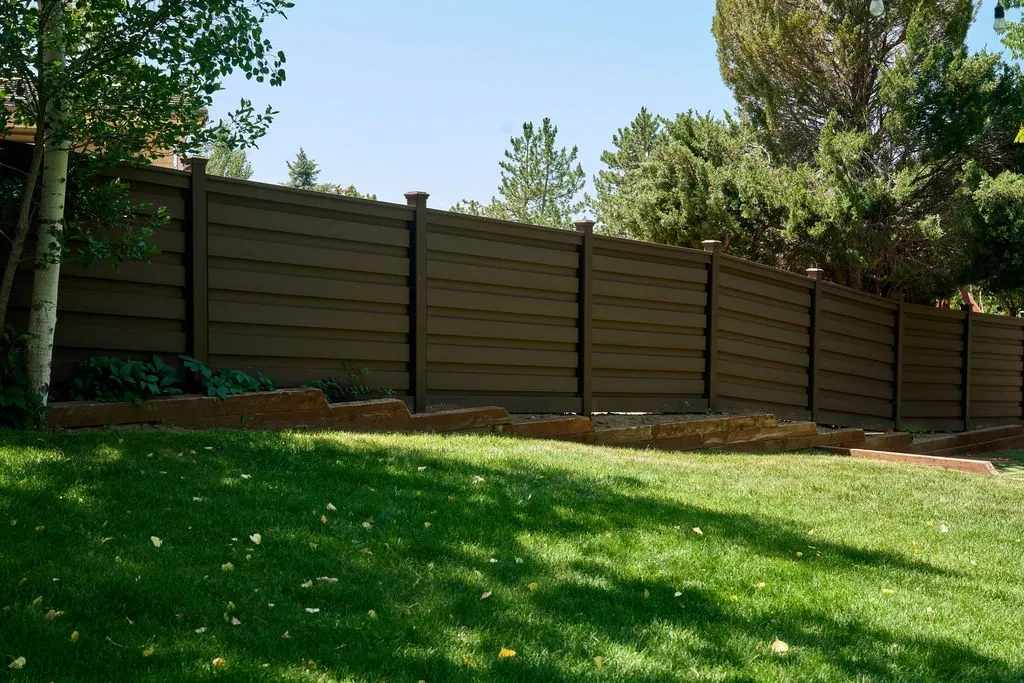
Board thickness and orientation influence how sunlight affects performance. Thicker pickets resist warping better, while alternating board layouts can reduce direct exposure on individual surfaces. Some modern wood fence designs intentionally break up large flat planes to distribute sunlight more evenly across the structure.
Homeowners researching options often find that the layout itself plays a role in minimizing the visible contrast caused by one-sided exposure.
Smart Design Decisions for Sun-Facing Yards
Positioning and Airflow
When planning wood fence installation, orientation matters. Fences built along open yards with little shade will experience more UV impact. Incorporating slight spacing between boards can encourage airflow, allowing heated wood to cool more evenly and dry efficiently after summer storms.
Certain wood fence designs balance privacy with ventilation. Semi-private layouts help reduce heat buildup while maintaining boundary definition. These options are especially helpful in neighborhoods where fences border wide-open spaces.
Planning for Finish and Stain
Stain selection plays a crucial role in long-term appearance. Transparent stains highlight natural grain but may require more frequent reapplication on sun-exposed sides. Semi-transparent or lightly pigmented finishes provide additional UV protection, helping maintain consistent color longer.
According to the Forest Products Laboratory of the U.S. Forest Service, ultraviolet radiation is one of the primary causes of surface degradation in exterior wood, reinforcing the importance of protective coatings in high-sun regions. Choosing the right finish during wood fence installation helps mitigate uneven aging from the start.
The Maintenance Factor Homeowners Notice Later
Uneven Fading and Its Impact
After the first intense summer, many homeowners begin noticing color variation. The sun-facing side may appear lighter or slightly rougher in texture. This difference does not indicate failure, but it does signal the need for proactive wood fence maintenance.
Routine cleaning, sealing, and inspections keep both sides of the fence protected. Ignoring the shaded side can also create imbalance, as trapped moisture in less exposed areas may contribute to mildew growth. Balanced wood fence maintenance ensures both surfaces age gracefully.
Inspection Timing in Denver’s Climate
In Denver, spring and early fall are ideal times to evaluate your fence. Checking for minor cracks, loose fasteners, or areas where the stain has worn thin allows small issues to be addressed before they escalate.
Working with Top Rail Fence Denver gives homeowners insight into seasonal care strategies tailored to local conditions. Their experience with wood fence installation across varied property types helps identify early warning signs unique to sun-heavy lots.
Structural Considerations Beyond Surface Appearance
Post Stability and Soil Conditions
Sun exposure can dry out soil near the fence line, particularly on south-facing slopes. Over time, this may affect post stability if the installation depth and reinforcement were not properly calculated. Professional wood fence installation accounts for soil composition, drainage patterns, and slope to prevent long-term leaning.
Hardware and Fastener Selection
Heat expansion affects not only wood but also metal components. Choosing corrosion-resistant fasteners ensures connections remain tight even during repeated temperature swings. This detail often goes unnoticed during planning but becomes critical in high-sun environments.
Modern wood fence designs incorporate hardware that blends seamlessly with the aesthetic while supporting durability. This integration enhances both performance and curb appeal.
Creating a Balanced Look Despite Uneven Sun
Landscaping as a Protective Element
Strategic landscaping can reduce extreme exposure. Planting shrubs or small trees near sun-facing sections provides partial shading during peak afternoon hours. This approach softens visual contrast and extends finish longevity.
Custom Solutions for Every Yard
No two properties in Denver experience identical sun patterns. Corner lots, elevated homes, and properties with minimal tree cover face different exposure levels. Tailoring wood fence installation to each yard ensures long-term satisfaction rather than reactive repairs.
Midway through the planning process, reviewing available wood fence designs helps homeowners visualize how layout adjustments can offset environmental stress. Collaborating with Top Rail Fence Denver ensures these decisions are based on local expertise rather than guesswork.
Building with Long-Term Performance in Mind
A fence that looks consistent year after year does not happen by accident. It results from intentional material selection, thoughtful design, and proactive wood fence maintenance. When intense summer sun hits one side all day, the difference becomes noticeable quickly. Planning reduces that contrast and protects your investment.
Homeowners who prioritize expert wood fence installation gain confidence knowing their fence was built for Denver’s climate realities. If your yard experiences strong one-sided sun exposure and you want guidance tailored to your property, reach out through our Contact Us page to connect with Top Rail Fence Denver. The right strategy today ensures your fence maintains its strength, beauty, and value for years to come.