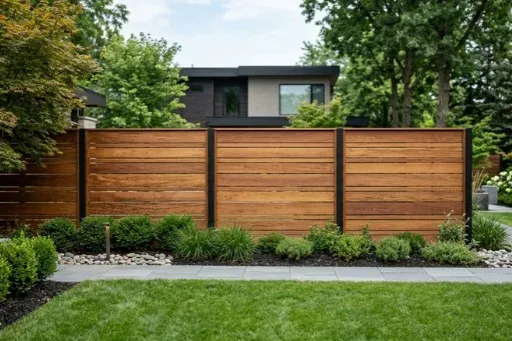
The right fence can change how a home looks from the street, how the yard connects with the house, and how clearly the property boundary is defined. In Des Moines, a traditional picket fence, a board-on-board privacy fence, and a wrought-iron-style design each create a distinct impression. Before planning fence installation, consider the home's architecture, the amount of privacy you want, and the upkeep you are prepared to handle. Top Rail Fence Des Moines can help you compare these classic looks and identify a design that complements your property rather than competing with it.
A picket fence for an open, welcoming frontage
A picket fence has a recognizable rhythm created by upright boards, visible gaps, and a defined top edge. It suits properties where the front yard is part of the home's character and where maintaining an open view is more important than blocking sightlines completely.
Give the entrance a clear visual frame
Picket fencing can guide attention toward a front door, walkway, or landscaped entrance without making the property feel enclosed. The height, spacing, and shape of the pickets affect the result. Rounded or pointed tops can suggest a more traditional appearance, while simple flat tops often look cleaner and more restrained.
During fence installation, align the fence with the home's proportions. A short, delicate picket pattern may suit a compact front garden, while a heavier profile can feel more balanced alongside a larger facade. Gate placement also matters: a gate that lines up with the main walkway makes the entrance feel intentional.
Keep landscaping visible through the fence
The open structure allows flowers, shrubs, and low planting beds to remain part of the view from the street. This can be especially effective when the landscaping is a defining feature of the front yard.
However, the gaps mean a picket fence offers limited privacy. It is best suited to a property where the goal is to mark the boundary, guide foot traffic, or create a decorative edge rather than conceal outdoor activities. Good fence design begins with that distinction.
Board-on-board fencing for a more private backyard
Board-on-board fencing uses overlapping vertical boards attached to horizontal rails. The overlapping arrangement reduces direct gaps through the fence, making this style a practical choice for backyards where privacy and a substantial visual boundary matter more than an open street-facing appearance.
Create depth with overlapping boards
Unlike a flat row of boards, the overlapping construction gives the fence a layered texture. That detail can complement homes with traditional siding, brick exteriors, or established gardens. The appearance also changes slightly depending on the viewing angle, adding depth without relying on decorative cutouts or elaborate trim.
For fence installation, consider how the fence will look from both sides of the property. Board placement, post caps, stain color, and the top profile can all affect the finished result. A straightforward layout may create a timeless appearance, while contrasting trim can make the boundary feel more decorative.
Use privacy without overlooking the practical details
The overlapping boards help limit direct sightlines into the yard, making this style suitable for patios, outdoor dining areas, and spaces where residents want more separation from neighboring properties. The trade-off is that a tall, solid fence can feel visually heavy if it is not balanced with the home's scale and landscaping.
Consider the available yard space and the fence's relationship to existing trees, garden beds, and outdoor furniture. The Iowa State University Extension home landscape planning worksheet encourages evaluating the property's existing features, desired uses, and maintenance needs before settling on a landscape plan. Applying that kind of planning to fence design helps ensure the enclosure supports the way the yard is actually used.
Wrought-iron fencing for a defined architectural edge
Wrought-iron-style fencing offers a very different character from the first two options. Its vertical metal pickets and open framework create a crisp boundary while allowing views through the fence. This style can complement brick homes, formal gardens, landscaped front yards, and properties where the architecture benefits from strong lines.
Match the metalwork to the home's details
Simple vertical bars produce a restrained, contemporary appearance, while decorative finials or curved details create a more traditional effect. The key is consistency. If the house has clean architectural lines, an ornate fence may compete with its exterior. A simpler pattern can provide definition without drawing attention away from the building.
During fence installation, review the spacing of the pickets, the position of the posts, and the design of the gate as one complete arrangement. A gate with matching metalwork can make a driveway or walkway entrance feel coordinated rather than like an afterthought.
Know what an open fence can and cannot provide
Metal fencing defines boundaries without creating the visual barrier of board-on-board construction. It can be a useful choice where preserving views across a garden or front lawn is important, but it will not provide the same level of privacy as an overlapping wood design.
Metal finishes also deserve consideration. Select a suitable protective finish and inspect exposed areas periodically for scratches, corrosion, or coating damage. Maintenance needs vary by material and finish, so the expected upkeep should be part of the selection process.
Top Rail Fence Des Moines can help compare available fencing materials and profiles, including metal fencing options, when you are deciding whether an open or solid boundary better fits the property.
Compare the three looks against everyday needs
A fence should suit more than the front of the house. Think about how the yard functions throughout the year, who uses it, and how much time you want to spend maintaining the finished installation.
Match the style to the main purpose
Use the intended function as a starting point:
- Picket fencing: Suitable for decorative front boundaries, visible gardens, and entrances where an open appearance is preferred.
- Board-on-board fencing: A strong candidate for backyard privacy, outdoor seating areas, and boundaries where reducing direct views is a priority.
- Wrought-iron-style fencing: Appropriate for defining entrances, framing landscaped areas, and preserving visibility while establishing a clear boundary.
These are general design considerations rather than strict rules. A picket fence can work in a backyard, and a metal fence can define a large garden. The best choice depends on how the property is laid out and what the boundary needs to accomplish.
Account for maintenance and long-term appearance
Wood may need periodic cleaning, staining, sealing, or board replacement, depending on the material and exposure. Metal fencing may require attention to its finish and fasteners. Across all three fence styles, gates, posts, and connections need to be considered alongside the visible panels.
The surrounding landscape matters too. Shrubs can soften a fence's appearance, while planting beds can make a straight boundary feel more integrated with the yard. Leave sufficient access for trimming, inspections, and repairs so that the landscape does not make routine care unnecessarily difficult.
Prepare the layout before installation begins
Even an attractive fence can disappoint if its position, height, or proportions do not suit the property. Before approving fence installation, confirm the intended boundary, identify changes in ground level, and account for gates, drainage, and existing structures. Check applicable local requirements and any neighborhood restrictions before construction begins.
A reliable fence company should also explain the differences between the proposed materials, the expected maintenance, and the practical limitations of each design. Comparing these details makes it easier to assess the complete project rather than choosing based on appearance alone.
Choose a classic look that belongs on your property
The best fence is the one that works with the home's architecture, supports the way the outdoor space is used, and remains practical to maintain. Picket fencing brings an inviting openness, board-on-board construction provides greater privacy, and wrought-iron-style fencing creates a defined boundary without blocking views. Each can deliver a lasting result when the layout and materials are selected carefully.
Top Rail Fence Des Moines can help you review your priorities, compare fence styles, and plan a suitable fence installation for your property. To discuss your project and determine the next steps, contact the team.