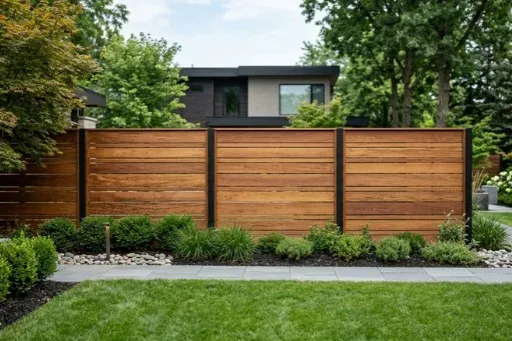
A well-planned residential fencing project should complement more than the architecture of a house. It should also work with the garden beds, walking paths, trees, and outdoor features that give a property its character. When a fence is designed alongside the landscape rather than treated as a separate boundary, the result can feel more connected, organized, and visually appealing. In Des Moines, where gardens change considerably between spring, summer, fall, and winter, this relationship deserves particular attention.
Through Top Rail Fence Des Moines, you can explore fencing possibilities that accommodate your property's layout while supporting its outdoor design. Whether you have curved garden borders, narrow planting strips, established trees, or winding pathways, the right fence design can bring these features together without making the yard feel crowded.
The goal is to create a landscape where the fence feels like a natural extension of the garden. Its position, height, material, and style should complement the planting arrangements while leaving enough room for comfortable movement and routine maintenance. Getting these details right during the planning stage can make a significant difference to the finished residential fencing project.
Start with the landscape instead of the property line
A fence layout should account for the features already occupying the yard. Drawing a straight boundary without considering planting beds, trees, and pathways can create awkward spaces that are difficult to maintain or visually disconnected from the rest of the landscape.
Map out the garden's existing features
Before deciding where the fence should go, identify the main landscape elements that need to remain accessible. These may include flower beds, vegetable gardens, mature trees, drainage areas, decorative stones, and outdoor seating spaces.
Pay attention to the distance between these features and the proposed fence line. A planting bed positioned directly against a fence may look attractive initially, but it could become difficult to reach when pruning, removing weeds, or replacing plants.
Allowing practical access between the fence and garden features makes everyday maintenance easier. It also reduces the likelihood of plants growing into fence panels or trapping moisture against the material.
Decide which areas need a clear boundary
Not every section of a yard serves the same purpose. A vegetable garden may benefit from a defined enclosure, while a flower bed beside a walkway might look better with an open visual connection to the rest of the property.
A thoughtful residential fencing layout can distinguish these areas without creating unnecessary divisions. For instance, a privacy fence along the rear boundary could provide separation from neighboring properties, while a more decorative section near the front garden preserves visibility.
This approach makes the fence more responsive to the way the outdoor space is actually used.
Let pathways influence the shape of the fence
Walkways help connect different parts of a garden. Their relationship with the fence affects how easily people move through the yard and how the overall landscape is experienced.
Keep walking routes comfortable and unobstructed
A garden pathway should provide a natural route between important outdoor areas, such as the patio, entrance, lawn, vegetable garden, and storage shed. Fence posts, gates, and changes in direction should not interfere with these routes.
Consider the width of the pathway, the space needed to open gates, and the movement of people carrying gardening equipment or outdoor furniture. A narrow walkway can quickly become inconvenient when plants spread beyond their original boundaries.
For a more cohesive fence design, consider how the fence follows the direction of the pathway. Consistent lines can create a structured appearance, while carefully positioned changes in direction can accommodate curved walkways and irregular planting areas.
Use gates to connect different garden zones
A gate can become an important transition point between outdoor spaces. It might connect a main lawn with a vegetable garden, provide access to a side yard, or create a convenient route to a backyard patio.
Its placement should reflect how frequently the area is used. A gate that opens directly into a narrow planting bed, for example, may damage plants or make access uncomfortable.
Choose hardware and gate dimensions that suit the intended use. Also consider ground clearance, drainage, and the direction of the swing. These details should be incorporated into the original fence installation plan rather than addressed after the panels are in place.
Give planting beds enough room to grow
The relationship between a fence and nearby plants changes as the garden matures. A layout that looks spacious immediately after installation may become crowded once shrubs expand, flowers spread, and climbing plants establish themselves.
Choose plants according to their mature size
Plant selection should account for the available space between the fence and the garden bed. Small ornamental grasses, compact shrubs, flowering perennials, and ground covers can introduce texture without overwhelming the boundary.
Larger shrubs and trees need more room, particularly when their branches may extend over the fence, or their roots could interfere with nearby structures. Consider mature height and width rather than relying on the size of young plants when planning their positions.
For Des Moines gardens, seasonal conditions also matter. Select plants suited to local sunlight, soil drainage, and winter hardiness. Iowa State University Extension provides useful guidance on choosing plants for Iowa landscapes, including considerations such as growing conditions, mature size, and winter survival.
Create planting layers along the perimeter
A layered garden can make a fence look more integrated into the landscape. Taller plants can provide structure toward the back of a bed, while medium-height flowers and smaller ground covers introduce variation closer to the pathway.
This arrangement creates depth without requiring every section of the fence to be hidden. Repeating selected plant colors or textures in different areas can also establish a consistent visual theme.
However, leave enough room to inspect and maintain the fence. Plants should not constantly press against boards, rails, or posts, particularly in areas where moisture tends to collect.
Protect established trees and their root systems
Existing trees can influence where a new fence should be positioned. Their roots may extend well beyond the visible trunk, and excavation near them can damage important root structures.
Before fence installation, identify mature trees, major roots, and any areas where digging could affect their health. Fence lines may need to be adjusted to accommodate these features.
Avoid cutting substantial roots simply to maintain a perfectly straight fence line. A site assessment can help determine whether a small layout adjustment would provide a better long-term result for both the tree and the enclosure.
Select a fence style that complements the garden
The fence material and configuration influence how planting beds and pathways appear. The right fence design should support the landscape rather than compete with its natural features.
Match the fence's visual weight to the planting arrangement
A tall privacy fence can provide a strong background for colorful flowers and ornamental grasses. Its consistent surface can make the planting arrangement stand out, especially when the garden includes varied foliage and seasonal blooms.
More open fencing can work well where visibility is important. It allows the surrounding landscape to remain part of the visual experience rather than creating a completely enclosed appearance.
Think about the relationship between fence height, board spacing, and the mature size of nearby plants. A heavily detailed fence may compete with an already busy planting arrangement, while a simpler style can provide visual balance.
Coordinate materials with pathways and garden borders
The materials used for garden paths and planting bed edges should complement the fence. For example, natural stone pathways can work well alongside traditional fencing, while clean paver lines may suit a more contemporary layout.
If the fence has a wood finish, nearby timber planters or garden accents can reinforce the natural appearance. Metal fencing can complement stone edging, gravel paths, and structured planting arrangements.
For additional ideas, explore Top Rail Fence's fencing options. Comparing available materials and styles can help you develop a consistent appearance across the property.
Prepare the site before construction begins
Even an attractive design can create problems if the ground conditions and existing landscape features are overlooked. Good preparation helps ensure that the fence fits the property and that nearby garden areas remain functional.
Check drainage and ground conditions
Water movement is particularly important around planting beds and fence posts. Low areas where water collects can create muddy pathways, affect plant health, and expose fence components to prolonged moisture.
Observe how rainwater moves across the yard before finalizing the fence line. Avoid positioning posts where drainage problems are likely to develop, and consider whether pathway surfaces need a slight slope to direct water away.
The ground should also be assessed for changes in elevation. Sloping sections may require stepped or contoured fence layouts, depending on the selected style and installation requirements.
Coordinate landscaping with the installation schedule
The order of construction can influence the finished result. Installing a fence before major landscaping work may protect newly planted areas from construction activity, but the layout must already account for the intended garden beds and pathways.
For larger projects, establish the fence alignment, post locations, pathway dimensions, and planting boundaries before work begins. Heavy excavation and equipment movement should be completed before delicate plants are introduced.
A professional fence company can help assess these details, identify potential obstacles, and determine the most practical installation sequence.
Create a residential fencing plan that grows with the garden
A successful outdoor layout should remain useful as the landscape develops. Plants mature, pathways receive more frequent use, and outdoor preferences may change over time. Your residential fencing plan should allow for these developments instead of restricting future improvements.
Consider leaving room for additional planting beds, future garden structures, and changes to outdoor seating areas. If you expect to introduce raised planters or expand a vegetable garden, account for the additional space before finalizing the fence position.
It is also worth considering future maintenance. Gates should provide convenient access, fence panels should remain reachable for inspection, and planting arrangements should not prevent repairs or routine cleaning.
Top Rail Fence Des Moines can help you consider how fence placement, style, and installation details fit into your overall landscape plans. A coordinated approach makes it easier to create a boundary that works with the garden instead of interrupting it.
Bring your fence and garden into one cohesive design
The connection between a fence, planting beds, and pathways can determine whether an outdoor space feels thoughtfully arranged or divided into unrelated sections. When these features are planned together, residential fencing becomes part of the landscape's visual structure.
For properties in Des Moines, the most effective approach considers seasonal plant growth, drainage, available walking space, existing trees, and the architectural style of the house. A carefully selected fence design can frame flower beds, complement garden paths, preserve access, and create a consistent appearance throughout the yard.
Whether you are planning a new garden layout or updating an existing boundary, professional fence installation can help bring the different elements together. Top Rail Fence Des Moines can help you explore suitable options for your property and develop a fencing plan that complements your outdoor environment. Contact Top Rail Fence to discuss your residential fencing project and request an estimate.