Homeowners in Des Moines often choose cedar fencing for its natural beauty, durability, and ability to complement a wide range of outdoor spaces. However, one of the most important aspects of cedar fence installation is something many people do not fully consider at the start: cedar does not look the same forever.
From the moment a fence is installed, cedar begins a gradual transformation influenced by sunlight, moisture, and seasonal changes. Homeowners working with Top Rail Fence Des Moines quickly learn that choosing cedar means choosing not just its initial appearance, but also how it will evolve over time. Those planning a project can explore Top Rail Fence Des Moines to better understand how cedar fencing performs in local conditions.
The Visual Starting Point of Cedar Fencing
The first impression of cedar is often what draws homeowners in.
Warm Tones and Natural Variation
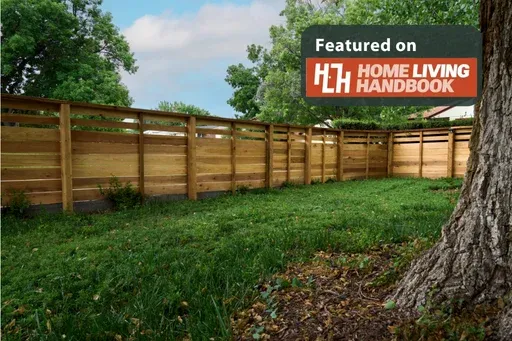
At the time of cedar fence installation, boards typically display a mix of light amber, honey brown, and subtle reddish hues. These tones vary slightly from board to board, creating a rich, organic look that synthetic materials cannot replicate.
This variation is part of what makes cedar one of the most desirable wood fence materials for residential properties.
A Fresh and Defined Appearance
New cedar fencing has a crisp, clean look with visible grain patterns and sharp edges. This initial stage often feels polished and structured, making it ideal for homeowners seeking a refined outdoor aesthetic.
However, this appearance represents only the beginning of the cedar’s life cycle.
How Cedar Changes Over Time in Des Moines
Environmental conditions in Des Moines play a major role in how cedar evolves.
Sunlight and Color Fading
Exposure to sunlight gradually breaks down the pigments in cedar. Over time, the warm tones begin to soften, transitioning into lighter shades.
This natural fading process is consistent across most cedar installations, although the speed and intensity can vary depending on sun exposure.
Moisture and Seasonal Influence
Rain, humidity, and snow all interact with cedar fibers. While cedar contains natural oils that help resist decay, moisture still contributes to subtle changes in texture and color.
As seasons pass, many cedar fences develop a soft gray or silvery finish that blends with surrounding landscapes.
Choosing Between Original Color and Weathered Character
Understanding how cedar changes helps homeowners decide which look they truly prefer.
Preserving the Original Look
Some homeowners choose to maintain the original color of their cedar privacy fence by applying sealants or stains. These treatments slow the aging process and help retain the warm tones of new cedar.
Regular maintenance is required, but it allows the fence to keep its initial appearance for a longer period.
Embracing Natural Aging
Others prefer to let cedar age naturally. The resulting gray patina creates a more rustic and subdued aesthetic that works well with mature landscaping and outdoor features.
According to U.S. Forest Service wood research, cedar’s natural resistance to decay allows it to perform well even as its appearance evolves, making it a reliable long-term material.
Installation Decisions That Affect Aging
The way a fence is installed can influence how evenly and gracefully it changes over time.
Board Spacing and Airflow
Proper spacing during cedar fence installation allows air to circulate between boards. This helps moisture dry more quickly after rain, reducing uneven weathering.
Professional installers focus on achieving the right balance between privacy and ventilation.
Orientation and Sun Exposure
Sections of fencing that receive more sunlight may age faster than shaded areas. This can create subtle variations in color across the fence.
Homeowners working with Top Rail Fence Des Moines benefit from guidance on placement and layout to achieve a more consistent overall appearance.
For those exploring different options, reviewing wood fencing styles can help illustrate how design choices interact with environmental factors.
Functional Benefits Beyond Appearance
While visual changes are important, cedar fencing also offers practical advantages.
Strength and Durability
Cedar is known for its durability among wood fence materials. Its natural oils help resist insects and slow the effects of moisture, contributing to long-lasting performance.
When installed correctly, a cedar privacy fence remains structurally sound even as its appearance evolves.
Versatility in Design
Cedar can be crafted into a variety of fence styles, from solid privacy panels to decorative designs. This flexibility allows homeowners to create a fence that fits both their functional needs and aesthetic preferences.
Understanding Cedar Fence Installation Cost Over Time
The investment in cedar fencing goes beyond the initial installation.
Initial Installation Considerations
The cedar fence installation cost may be higher than that of some other materials due to the quality of the wood and the craftsmanship involved. However, many homeowners view this as a worthwhile investment for its appearance and durability.
Long-Term Value
Over time, cedar fencing offers value through its longevity and adaptability. Whether maintained to preserve its original color or allowed to weather naturally, cedar continues to enhance the property.
Choosing the right approach depends on how much maintenance a homeowner is willing to perform and what visual outcome they prefer.
A Fence That Reflects Changing Outdoor Spaces
Outdoor environments are constantly evolving, and cedar fencing reflects those changes in a unique way.
Blending with Landscaping Over Time
As plants grow and seasons shift, the changing tones of cedar help the fence integrate more naturally into the landscape. This creates a cohesive outdoor environment that feels balanced and intentional.
Supporting Long-Term Property Appeal
A well-designed cedar fence enhances curb appeal by framing the property and adding visual depth. The evolving appearance can make the yard feel more dynamic compared to static materials.
Many homeowners rely on Top Rail Fence Des Moines to ensure their fencing projects are designed with both immediate impact and long-term transformation in mind.
Choosing the Look That Fits Your Vision
When planning a cedar fence installation, homeowners are not just selecting a material. They are choosing how their fence will look months and years after installation.
Whether preserving the original tones or embracing the natural aging process, cedar offers flexibility that few other materials can match. Its ability to change while maintaining strength makes it one of the most versatile wood fence materials available.
If you are considering a cedar privacy fence and want expert guidance on design, installation, and long-term performance, visit the Contact Us page to connect with Top Rail Fence Des Moines and start planning a fencing solution that evolves beautifully with your property.