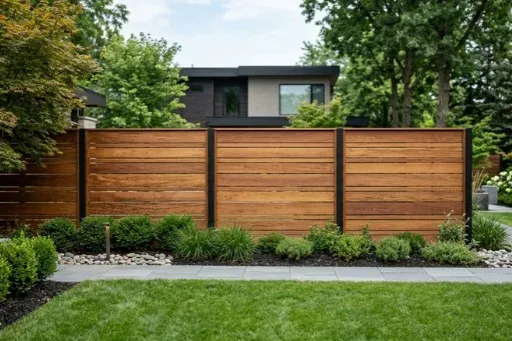
A weathered wood fence does not always need to be torn down, but a fresh coat of stain cannot solve every problem either. In Des Moines, changing temperatures, moisture, and seasonal wear can affect boards, posts, fasteners, and the ground around the fence. Before committing to major repairs, assess how much of the structure remains sound and whether the damage is limited to a few replaceable parts. Reviewing your options with Top Rail Fence Des Moines can help you compare refurbishment with a new wood fence installation based on the fence's actual condition, rather than its appearance alone.
Start with the parts that hold the fence upright
The most useful clue is often not a faded board or peeling finish. It is the condition of the framework supporting the entire wood fence. A fence may look worn while remaining structurally dependable, or appear presentable despite having posts that are no longer secure.
Check whether the posts remain firm
Walk along the fence and gently inspect each post for movement, leaning, or visible deterioration near ground level. A loose post can indicate a problem with its footing, surrounding soil, or the post itself. If several posts lean in different directions, the issue may extend beyond a single damaged section.
One unstable post may be repairable without replacing the entire wood fence. Widespread movement, however, can indicate that the supporting structure needs more extensive work. Have the affected areas assessed before spending money on cosmetic improvements.
Look closely at rails and connection points
Rails connect the posts and help keep the boards aligned. Cracked rails, loose fasteners, and separated joints can cause sections to sag or shift. Surface discoloration is usually less concerning than timber that crumbles, splits deeply, or no longer holds fasteners securely.
If the posts and most rails remain sound, targeted repairs may restore the fence's stability. If multiple structural components have deteriorated, rebuilding several sections could approach the cost and effort of a new wood fence installation.
Separate surface wear from deeper deterioration
Appearance can be misleading when judging an older wood fence. Faded stain, gray coloring, and rough surfaces may make the structure look ready for replacement even when its main components remain usable. The important distinction is whether the damage affects the finish or the wood itself.
Signs that refurbishment may be enough
Refurbishment may be worth considering when the fence remains upright and its posts and rails are generally solid. Common examples include:
- Faded stain or peeling paint across otherwise sound boards.
- Minor surface cracks and splinters that do not compromise the structure.
- A small number of loose or broken boards that can be replaced individually.
- Gate hardware that needs adjustment or replacement.
- Areas that need cleaning and a fresh protective finish.
These issues can often be addressed without removing every section. However, cleaning and staining should follow repairs, not replace them. Applying a finish over deteriorated wood will not restore its lost strength.
Identify rot before covering the surface
Pay particular attention to the lower portions of posts and boards, where moisture may remain for extended periods. Soft wood, crumbling areas, fungal growth, and deep deterioration are more serious than discoloration alone.
The This Old House guide to replacing a decayed fence post explains how to recognize post decay and assess nearby supports. If one post has deteriorated, inspect adjacent posts before deciding on the scope of the repair. The problem may be isolated, or it may indicate that several parts of the wood fence have reached a similar stage of wear.
Recognize when repairs are becoming a recurring expense
A single repair does not necessarily mean a fence is nearing the end of its useful life. A pattern of repeated failures, however, deserves closer attention.
Track damage across the entire boundary
Make a simple record of damaged boards, leaning posts, loose rails, and areas with signs of rot. Note which components have already been repaired and whether problems return in the same locations.
This record helps reveal whether the fence has a few isolated weak points or widespread deterioration. If the same sections repeatedly require attention, another repair may offer only temporary relief.
Top Rail Fence Des Moines can help assess the fence's overall condition and identify whether localized work or a broader replacement is more appropriate. A full inspection is especially useful when the visible damage does not clearly reveal the condition of the supporting structure.
Consider the cost of repeated work
The cheapest immediate repair is not always the most economical long-term decision. Compare the cost of replacing damaged boards and posts with the cost of refurbishing the remaining structure. Then consider whether additional repairs are likely in the near future.
For example, replacing a few boards may be sensible if the posts and rails remain strong. If numerous boards are deteriorating and several posts are unstable, the combined repair work may make a new wood fence installation worth considering.
Decide whether the existing design still works
Structural condition is only part of the decision. An older wood fence might be repairable but no longer suit how the property is used.
Review privacy, access, and property changes
Landscaping, outdoor seating, gate locations, and the way people move through the yard can change over time. A fence that once worked well might now have an inconvenient entrance, an unsuitable height, or a layout that no longer meets the property's needs.
If the current design still serves its purpose, refurbishment can preserve its established appearance while addressing damaged components. If you need a different layout or want to change the boundary substantially, replacement offers a chance to reconsider the design before work begins.
Explore available wood fencing options to compare styles and consider how a new fence could better suit the property.
Plan for more manageable fence maintenance
Whichever option you choose, future fence maintenance should be part of the decision. Keeping vegetation away from the boards, preventing water from collecting around the posts, and checking fasteners regularly can help identify problems earlier.
A refurbishment plan should correct the conditions that contributed to the damage, where possible. A replacement plan should also account for drainage, suitable materials, and accessible areas for inspection. Otherwise, a new wood fence may develop similar problems over time.
Make the decision based on the fence's remaining strength
Refurbishment makes sense when the main structure is sound, damage is limited, and repairs can restore the fence's appearance and function. Replacement deserves serious consideration when rot affects several structural components, multiple posts are unstable, or repeated repairs no longer provide dependable results.
For a clearer assessment, Top Rail Fence Des Moines can review your existing fence, discuss the condition of its components, and help you weigh repair work against a new installation. To arrange a discussion about your property, contact the team. With a practical assessment and a consistent fence maintenance plan, you can make a more informed decision about whether your wood fence has years of useful service left or whether replacement is the better next step.