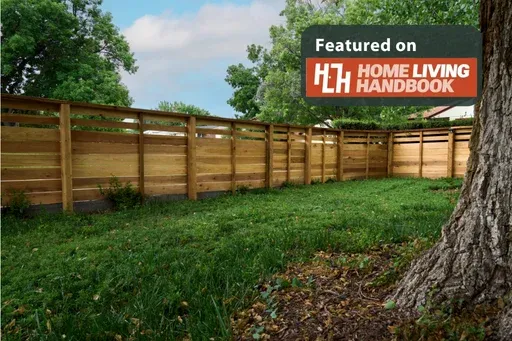
Choosing a traditional wood fence in Des Moines introduces a dynamic element to your outdoor space that evolves with each season. Homeowners who begin their journey with Top Rail Fence Des Moines often discover that wood fencing is not static. It responds to temperature, moisture, and sunlight in ways that subtly reshape how a yard looks and feels throughout the year.
Unlike synthetic materials, a traditional wood fence reflects the environment around it. This natural responsiveness can enhance the character of a yard, but it also requires understanding how seasonal changes influence both appearance and performance.
For many homeowners, this interaction becomes part of the appeal, creating a fence that feels connected to the landscape rather than separate from it.
Seasonal Movement and Its Effect on Structure
Wood is a natural material, and that means it reacts to environmental conditions in ways that other fencing materials do not.
Expansion During Humid Months
In warmer seasons, increased humidity levels in Des Moines cause wood fibers to absorb moisture. This leads to a slight expansion in fence boards and posts.
For a traditional wood fence, this expansion is normal and expected. Proper wood fence installation accounts for this movement by leaving small gaps between boards to allow for airflow and flexibility.
When installed correctly, this seasonal expansion does not compromise the fence. Instead, it helps maintain structural balance as conditions change.
Contraction in Cooler Weather
As temperatures drop and the air becomes drier, wood naturally releases moisture and contracts. This can create slightly wider gaps between boards during colder months.
This shift is one of the defining characteristics of a traditional wood fence. It highlights the importance of professional installation techniques that anticipate these seasonal changes.
Homeowners working with Top Rail Fence Des Moines benefit from installation methods designed to accommodate both expansion and contraction without affecting overall stability.
Visual Changes Across the Year
Beyond structural movement, seasonal changes also influence how wood fencing looks over time.
Sunlight and Color Evolution
Exposure to sunlight gradually alters the color of wood fence materials. In the early stages, wood often displays warm, rich tones.
Over time, ultraviolet rays begin to soften these colors, leading to a more muted and weathered appearance. This transformation is a natural process that many homeowners appreciate for its organic look.
Rather than viewing this as wear, it can be seen as a visual progression that adds depth and character to the yard.
Moisture and Surface Texture
Rain and humidity also play a role in shaping the texture of a traditional wood fence. Moisture can raise the grain slightly, giving the surface a more pronounced texture.
This interaction between wood and the environment creates a fence that feels alive within the landscape. For homeowners, it adds a tactile and visual dimension that synthetic materials often lack.
How Seasonal Changes Influence Yard Use
The way a fence responds to the environment can also affect how homeowners experience their outdoor space.
Creating a Natural Outdoor Atmosphere
A traditional wood fence blends seamlessly with landscaping elements such as trees, shrubs, and gardens. As it changes with the seasons, it enhances the overall atmosphere of the yard.
In spring and summer, the fence may appear vibrant and warm. In fall and winter, it takes on a more subdued tone that complements the changing landscape.
This adaptability helps create a cohesive outdoor environment that evolves naturally throughout the year.
Supporting Privacy in Every Season
Despite its changing appearance, a well-built traditional wood fence continues to provide reliable privacy. Solid panels maintain separation from neighboring properties regardless of seasonal conditions.
Through thoughtful privacy fence installation, homeowners can ensure their yard remains a comfortable and secluded space year-round.
The Role of Design in Seasonal Performance
The way a fence is designed plays a major role in how it responds to environmental changes.
Choosing the Right Fence Style
Different traditional fence styles offer varying levels of airflow and coverage. Board-on-board designs, for example, provide overlapping panels that enhance privacy while allowing for slight movement.
Shadowbox styles, on the other hand, create a semi-private effect with alternating boards that allow air to pass through more freely.
Selecting the right design helps balance privacy, durability, and adaptability to seasonal changes.
Placement and Orientation Matter
Fence placement also affects how it interacts with the environment. Areas with more sun exposure may experience faster color changes, while shaded sections may retain their original appearance longer.
Understanding these factors allows homeowners to make informed decisions during wood fence installation, ensuring the fence performs well in all conditions.
For those considering different layouts, exploring wood fencing options can provide insight into how design choices influence long-term performance.
Maintenance Considerations Throughout the Year
Seasonal responsiveness does not mean excessive maintenance, but it does require some attention.
Routine Inspections and Care
Periodic inspections help identify minor changes such as loose boards or surface wear. Addressing these early prevents larger issues from developing.
Cleaning and occasional treatments can also help preserve the appearance of wood fence materials, especially after harsh weather conditions.
Protecting Against Long-Term Wear
Applying sealants or stains can slow the effects of moisture and sunlight. This helps maintain the fence’s appearance and extends its lifespan.
According to Handyman Connection’s wood fence maintenance guide, regular care plays a key role in keeping wood fences strong and visually appealing over time.
A Fence That Evolves With Your Property
A traditional wood fence offers more than just structure. It provides a living element that changes alongside the environment.
Homeowners in Des Moines who choose this type of fencing often appreciate how it reflects the seasons, adding character and depth to their outdoor space. From subtle shifts in color to natural expansion and contraction, these changes create a fence that feels integrated into the landscape.
With expert guidance from Top Rail Fence Des Moines, property owners can design and install a fence that responds gracefully to seasonal conditions while maintaining strength and functionality. If you are considering enhancing your yard with a thoughtfully designed traditional wood fence, visit the Contact Us page to connect with Top Rail Fence Des Moines and begin planning a fencing solution that evolves beautifully throughout the year.