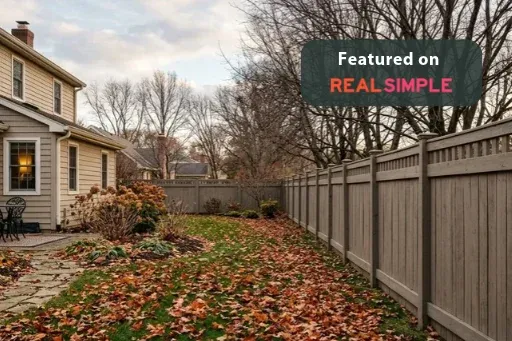
A wood fence can look consistent when it is first installed, but its appearance years later often depends on how easily individual boards can be repaired or replaced. In Des Moines, changing weather, moisture, and everyday wear can leave some boards more affected than others. Planning for those possibilities during wood fence installation can help homeowners create a boundary that remains visually balanced even when repairs become necessary. The direction of the boards, the spacing between them, and the way each section is assembled all influence whether a replacement blends into the existing wood fence or stands out as a noticeable patch.
Plan the fence around future board replacement
A repair-friendly fence is not simply one that uses durable materials. Its layout should also make individual components easier to inspect, remove, and replace without disturbing large portions of the structure.
Keep the board pattern consistent
A regular arrangement gives the fence a visual rhythm. When boards share a similar width, orientation, and spacing, a replacement can be selected to match the surrounding pattern more closely. An irregular layout can make repairs harder to disguise because even a small difference in board size or placement may interrupt the overall appearance.
Before fence installation, consider how the design will look if one or two boards need replacing. A repeatable pattern gives future repairs a clear reference, while a highly customized arrangement may require more careful measuring and cutting.
Choose a practical board orientation
Vertical boards create a familiar fence profile and allow individual pieces to be replaced from one section at a time when the construction permits it. Horizontal boards create a different visual effect, but long, continuous lines can make mismatched replacement pieces more apparent.
Neither arrangement is automatically better for every property. The right option depends on the intended appearance, the fence structure, and the availability of replacement materials. A carefully planned wood fence should balance its visual character with the practical work involved in maintaining it.
Use section breaks to make repairs less obvious
The way a fence is divided into sections can affect how much work a future repair requires. A design with accessible rails and clearly defined spans may allow a damaged area to be addressed without dismantling the entire boundary.
Align boards with the supporting rails
Consistent rail placement gives each board a predictable attachment point. When a board splits or loosens, a repair can often focus on the affected piece, provided the rails and posts remain sound. If the supporting structure is poorly aligned or already deteriorating, replacing a board alone may not solve the problem.
During wood fence installation, ask how the rails will support the selected board pattern and whether damaged boards can be removed without unnecessarily disturbing neighboring pieces. These details can make later maintenance more manageable.
Avoid patterns that complicate matching
Decorative board arrangements can give a wood fence a distinctive look, but unusual widths, alternating heights, and custom cuts may make future replacements more difficult. If the original lumber size is no longer available, matching the existing design could require extra cutting or a larger repair.
A repeating layout still allows room for character. A shaped top edge, a coordinated stain, or carefully selected post caps can add visual interest without making every board a unique component.
Select board spacing with weathering in mind
Spacing affects both the appearance and function of a wooden boundary. Closely arranged boards create a more solid privacy screen, while wider gaps introduce a lighter look. Either approach should account for the way the wood may change as it ages.
Leave room for natural movement
Wood responds to changes in moisture, which can contribute to swelling, shrinking, splitting, or changes in the gaps between boards. A spacing plan should account for the chosen lumber and the fence design rather than relying on a measurement that may not suit every material.
In Des Moines, where seasonal weather can vary considerably, consistent spacing helps the fence maintain a deliberate appearance as conditions change. It also gives future repairs a reliable visual guide. The objective is not to prevent all movement, but to avoid a layout where small differences become distracting.
Keep the lower edges clear of persistent moisture
Boards positioned too close to soil, mulch, or vegetation may experience prolonged dampness. That can contribute to deterioration near the bottom of the fence, leaving a damaged strip that looks noticeably different from the rest.
Plan the lower edge around the property's grading and drainage. Grass and plants should not conceal the board bases, and the fence should be arranged so that routine inspection remains practical. This approach can help identify early damage before several neighboring fence boards need attention.
Make replacement lumber easier to match
Even a well-designed fence can develop a damaged board. The goal is to make a replacement fit the original layout and age gracefully alongside the surrounding material.
Record the dimensions and finish
Keep a note of the board width, thickness, length, top profile, and finish used for the original fence. If spare lumber is available, store a few suitable pieces in a dry, protected location. These simple steps can reduce the guesswork involved when a repair is needed years later.
It is also useful to document the stain or paint product and its color. Fresh lumber usually looks different from weathered boards, even when the species and dimensions match. An article from JLC Online on repairing wooden fences discusses replacing damaged components while retaining sound sections, illustrating why repair planning should consider the condition of the surrounding structure.
Match the whole visual pattern, not just one measurement
A replacement board might have the correct width but still stand out because its grain, surface texture, or finish differs from the existing fence. Where practical, select lumber with a similar appearance and apply a compatible exterior finish after the wood is ready for it.
For extensive weathering differences, finishing a larger continuous section may create a more consistent appearance than treating one replacement board alone. The appropriate method depends on the existing finish and the condition of the surrounding wood fence.
Choose a layout that suits the property
A repair-friendly pattern should work with the yard rather than being selected only for its appearance in a sample photograph.
Follow changes in the ground carefully
Sloping ground can affect the shape and alignment of fence sections. A stepped design uses level sections at different heights, while a raked design follows the slope more closely. The right choice depends on the terrain, the desired appearance, and how the fence will be constructed.
A consistent approach across the property helps prevent replacement sections from looking out of place. Discuss slope, post locations, and access for future maintenance before finalizing the design.
Balance privacy with long-term practicality
A solid wood fence can create a clear boundary around a backyard, patio, or garden. However, the best board layout also considers access to gates, nearby landscaping, and the space needed to inspect and maintain the fence.
Top Rail Fence Des Moines can help homeowners evaluate board styles, section layouts, and practical installation considerations. Reviewing these choices in advance makes it easier to select a design that complements the property without creating unnecessary complications for future repairs.
Build a fence that stays visually consistent
A good wood fence layout considers more than its first impression. Repeating board dimensions, accessible attachment points, sensible spacing, and a documented finish can all make later repairs less disruptive. While no layout can guarantee an invisible replacement, thoughtful planning can reduce the contrast between repaired and original sections.
For homeowners considering wood fence installation in Des Moines, the aim is to combine a suitable appearance with a structure that can be maintained over time. Top Rail Fence Des Moines can discuss the property's needs, the preferred board pattern, and the details that may affect future upkeep. To review your options and plan your project, contact the team. A carefully planned wood fence can provide a cohesive boundary today while making tomorrow's repairs easier to manage.