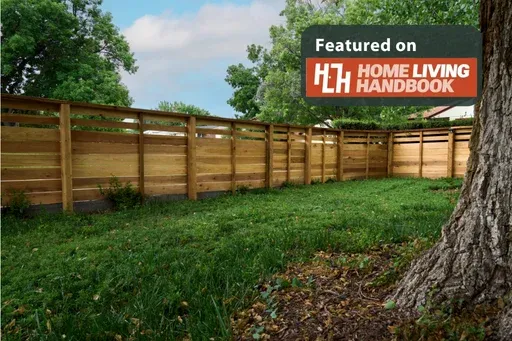
Homeowners across the Florida Panhandle often face unique challenges when selecting the best fence design for corner lots and waterfront properties. Unlike standard residential layouts, these properties require fencing solutions that balance visibility, curb appeal, wind exposure, and neighborhood sightlines. A fence that works well on an interior lot may not perform the same way near coastal roads or waterfront views. Many property owners begin exploring options through Top Rail Fence Florida Panhandle to better understand how location-specific conditions influence long-term fencing performance.
For homeowners working with Top Rail Fence Florida Panhandle, fence planning involves much more than choosing materials alone. Corner visibility, coastal airflow, and open landscape views all influence how fencing systems should be designed and installed.
Why corner lots require specialized fence planning
Corner lots often experience greater visibility from multiple directions compared to standard residential properties. This additional exposure changes how homeowners approach both privacy and curb appeal.
The best fence design for these properties must create structure and security without overwhelming the surrounding streetscape.
How visibility affects fence placement
Fences installed on corner lots interact directly with sidewalks, intersecting roads, and neighboring sightlines. Poor placement can make a property feel visually crowded or reduce visibility for nearby traffic areas.
Professional installers evaluate lot positioning carefully before recommending specific fence styles or layout adjustments. This planning process helps maintain a balanced appearance while improving functionality throughout the property.
In the Florida Panhandle, many corner lot owners prioritize fencing systems that provide definition without completely obstructing openness.
Why property flow matters for corner fencing
Unlike enclosed backyard spaces, corner lots often require fencing transitions that feel visually consistent from multiple viewing angles. A fence that appears balanced from the front may feel overwhelming from the side if layout planning is not handled carefully.
This is one reason homeowners comparing residential fence designs often focus on how fencing interacts with the full property layout rather than a single section alone.
According to the Federal Highway Administration, maintaining clear visibility near intersections plays an important role in residential property planning and roadway safety.
How waterfront exposure changes fence design priorities
Waterfront homes across the Florida Panhandle face different environmental conditions compared to inland residential properties. Coastal airflow, humidity, and open visibility all influence long-term fence performance.
The best fence design for these locations must balance durability with unobstructed outdoor views.
Why open sightlines influence material selection
Many waterfront homeowners prefer fencing systems that preserve visibility toward surrounding landscapes or water features. This often leads homeowners to compare multiple different fence materials that offer both durability and visual openness.
Certain aluminum and semi-private fencing systems help maintain views while still creating property definition and security. These layouts can also improve airflow in coastal environments where wind exposure remains consistent throughout the year.
Homeowners evaluating coastal-friendly solutions often review aluminum fencing options to better understand how material choices influence visibility and maintenance requirements.
How coastal conditions impact long-term appearance
Salt air, moisture exposure, and strong sunlight all affect how fencing systems age over time. Some different fence materials require more maintenance in waterfront environments than others.
Wood fencing may provide a warm and natural appearance, while vinyl and aluminum fencing often offer lower maintenance requirements in coastal climates. Choosing between these options depends on how homeowners prioritize aesthetics, maintenance, and environmental durability.
Experienced installers help homeowners compare residential fence designs that complement both waterfront architecture and long-term property goals.
Why fence styles should match surrounding architecture
Fencing systems contribute significantly to overall property appearance. A fence that clashes with the surrounding home or landscape may reduce the visual balance of the property.
This is why homeowners often spend considerable time evaluating the best fence design before beginning installation.
How modern fence styles create cleaner transitions
Contemporary coastal homes often benefit from streamlined fencing systems with clean lines and balanced spacing. These modern fence styles help maintain openness while still creating structure around the property.
Horizontal layouts, decorative aluminum systems, and mixed-material designs have become increasingly popular across waterfront communities in the Florida Panhandle.
These approaches allow homeowners to combine privacy, airflow, and visual consistency without creating overly heavy property boundaries.
Why traditional fencing still remains popular
Some homeowners prefer more traditional residential fence designs that create stronger visual separation around outdoor living spaces. Classic wood fencing and decorative vinyl systems remain popular for their familiarity and versatility.
Professional installers help determine which styles perform best based on property exposure, neighborhood aesthetics, and long-term maintenance preferences.
How thoughtful planning improves long-term functionality
Fence design decisions affect much more than appearance alone. Proper planning influences privacy, airflow, maintenance requirements, and structural performance over time.
The best fence design considers how the property will function years after installation, especially in coastal environments exposed to changing weather conditions.
Why customized layouts improve property balance
Every waterfront and corner lot property presents unique conditions. Some homes require stronger wind resistance, while others prioritize preserving open visibility across outdoor areas.
Customized planning allows homeowners to explore different fence materials and layouts that fit both functional and visual goals.
Homeowners working with Top Rail Fence Florida Panhandle benefit from installation strategies designed specifically for coastal property conditions throughout the Florida Panhandle.
How professional planning supports long-term curb appeal
A carefully designed fence enhances the surrounding property instead of competing with it visually. Proper spacing, height adjustments, and material coordination all contribute to a more balanced final appearance.
Thoughtful fence styles also improve outdoor usability by creating privacy where needed while maintaining openness in key areas around the property.
Choosing fence designs built for coastal living
Corner lots and waterfront homes require fencing systems that respond to visibility, airflow, and environmental exposure differently than standard residential properties.
By comparing residential fence designs, evaluating different fence materials, and planning layouts carefully, homeowners can create fencing systems that remain visually appealing and structurally reliable over time.
Homeowners working with Top Rail Fence Florida Panhandle receive guidance tailored specifically to the environmental conditions and design priorities common throughout the Florida Panhandle.
If you are exploring the best fence design for a waterfront or corner lot property, visit the Contact Us page to connect with Top Rail Fence Florida Panhandle and start planning a fencing solution designed for long-term performance and coastal curb appeal.