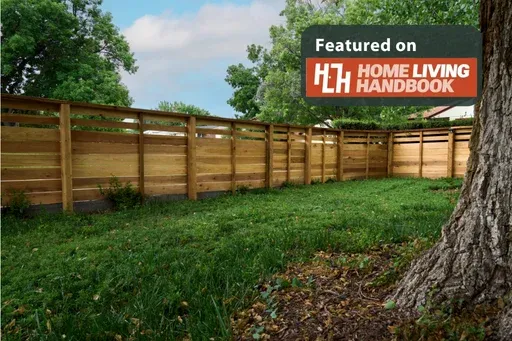
Properties rarely stay the same forever. A backyard that works perfectly today may look completely different five years from now. New outdoor living spaces, expanding families, changing landscaping plans, and future resale goals often reshape how homeowners use their property. This is why many residents in the Florida Panhandle are approaching fence design with flexibility in mind rather than focusing only on immediate needs.
Many homeowners start by exploring Top Rail Fence Florida Panhandle to understand how adaptable fencing solutions can support both current lifestyles and future property changes. Instead of treating fencing as a permanent obstacle, modern fence design can become a framework that evolves alongside the property.
A thoughtful approach allows homeowners to avoid costly modifications while ensuring their investment remains practical for years to come.
Why long-term planning is becoming part of fence design
The traditional approach to fencing often focuses on solving today's challenges. While that may work in the short term, many properties eventually outgrow their original layouts.
In the Florida Panhandle, homeowners frequently add pools, outdoor kitchens, garden areas, storage structures, and entertainment spaces after their initial fence installation. Planning for these possibilities early can create a more adaptable property.
Rather than designing around a single purpose, forward-thinking fence design considers how the yard may function several years down the road.
Lifestyle changes often reshape outdoor spaces
A couple purchasing their first home may eventually need play areas for children. Families with young kids may later prioritize entertainment spaces or pet-friendly zones.
Because property needs evolve, flexible fencing layouts can accommodate these transitions without requiring a complete redesign.
Property improvements affect fencing needs
Future patios, pergolas, fire pits, and detached structures all influence traffic flow and space utilization. A carefully planned fence installation leaves room for these additions while maintaining a cohesive appearance.
Building flexibility into the perimeter
One of the most effective strategies is creating a fencing layout that can be expanded, modified, or reconfigured without significant disruption.
Many modern fence styles incorporate modular sections that allow future adjustments. This approach provides homeowners with greater control over how their property develops over time.
Planning gate locations strategically
Gate placement is often overlooked during initial planning. However, future projects frequently require equipment access, landscaping installations, or construction work.
By anticipating these possibilities, homeowners can position gates where they will remain useful even if the property layout changes.
Preserving future access routes
A flexible fence design ensures that future pathways, driveways, and backyard additions remain accessible. This can save substantial time and expense later.
Choosing fencing materials that support adaptability
Material selection plays an important role when designing for future changes.
Different fencing materials offer varying levels of flexibility, maintenance requirements, and long-term performance. Homeowners who expect future property modifications often prioritize materials that can accommodate adjustments without compromising durability.
As homeowners explore different fence styles and solutions, understanding how materials perform over time becomes an important part of the decision-making process.
Balancing durability with modification potential
Certain materials make future alterations easier than others. Fence systems designed with interchangeable components can simplify expansions or layout adjustments.
This becomes especially valuable when homeowners anticipate future outdoor projects.
Considering environmental conditions
The Florida Panhandle experiences coastal weather patterns, seasonal storms, humidity, and intense sun exposure. Selecting appropriate fencing materials helps ensure the fence remains attractive and functional despite changing conditions.
According to the University of Florida IFAS Extension, thoughtful landscape and property planning can significantly improve long-term outdoor performance and maintenance outcomes.
How future buyers influence smart fence design
Many homeowners eventually sell their property. Because of this, resale value often becomes an important factor in fencing decisions.
A highly customized fence may satisfy current preferences but limit future buyer appeal.
Broad appeal often outperforms niche preferences
The most successful fence design strategies strike a balance between personalization and universal appeal.
Potential buyers often appreciate fencing that complements the property's architecture, provides practical functionality, and supports multiple outdoor uses.
Versatility creates stronger marketability
When buyers view a property, they frequently imagine how they would use the space themselves. Flexible fencing layouts make that vision easier.
Properties with adaptable fencing may appeal to families, pet owners, retirees, and outdoor enthusiasts alike.
Designing outdoor zones that can evolve
One emerging trend involves using fencing to create flexible outdoor zones rather than fixed-purpose areas.
Instead of permanently defining every section of the yard, homeowners create adaptable spaces that can serve multiple functions over time.
Creating multi-purpose sections
A garden area today may become a recreation space later. A pet enclosure could eventually transform into an entertainment zone.
Thoughtful fence design allows these transitions to occur with minimal disruption.
Supporting phased property improvements
Many homeowners complete outdoor upgrades gradually over several years. Flexible fencing layouts support phased improvements while maintaining visual consistency throughout the process.
This approach can also help manage project budgets more effectively.
Working with a fence company that understands long-term goals
Not every fencing project should focus exclusively on immediate needs. Homeowners who expect their properties to evolve benefit from working with a knowledgeable fence company that understands long-term planning.
Professionals can evaluate current objectives while identifying opportunities that support future flexibility.
Looking beyond installation day
A quality fence company considers how the fence will function years after installation. This broader perspective helps homeowners avoid limitations that may arise as the property changes.
Aligning fencing with property growth
Whether future plans involve landscaping upgrades, outdoor living additions, or eventual resale, fencing should support those goals rather than restrict them.
Experienced professionals help ensure the design remains practical throughout the property's lifecycle.
A future-focused approach to fencing in the Florida Panhandle
The most effective fence design is not always the one that solves today's challenges. Often, it is the design that continues delivering value as the property evolves.
For homeowners throughout the Florida Panhandle, planning ahead can create a fencing solution that adapts to changing lifestyles, supports future improvements, and remains attractive to potential buyers. By working with Top Rail Fence Florida Panhandle, property owners can develop fencing strategies that balance flexibility, durability, and long-term value.
If you are exploring a new fence installation and want a solution designed for both present and future needs, visit the Contact Us page to connect with Top Rail Fence Florida Panhandle and begin planning a fencing project that grows with your property.