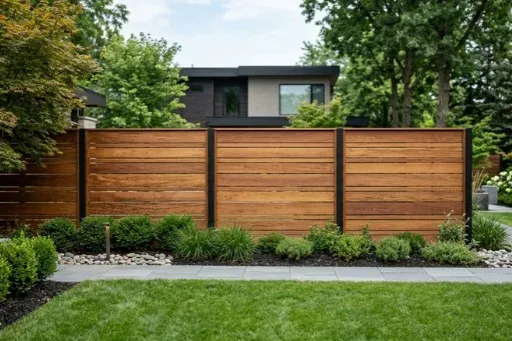
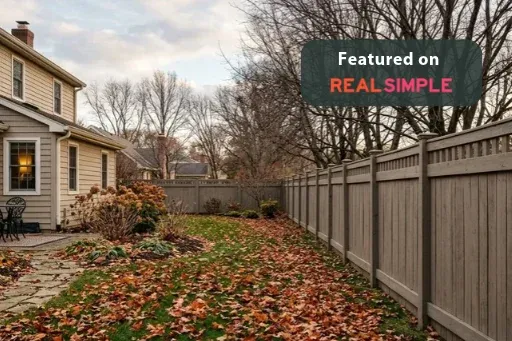
A wood fence does not always need to be replaced from end to end when damage appears in a few isolated areas. A leaning section, rotted boards, or weakened posts may indicate that only part of the boundary needs immediate attention. For properties in the Florida Panhandle, a staged renewal plan can help prioritize damaged areas, manage project costs over time, and preserve sound portions of an existing fence. With guidance from Top Rail Fence Florida Panhandle, you can assess the condition of your wood fence and determine which sections need repair, reinforcement, or eventual replacement.
Identify which fence sections need immediate attention
Before deciding how much fencing to replace, evaluate the condition of each section separately. Damage may be concentrated in one area because of drainage, ground contact, physical impact, or differences in weather exposure. A careful inspection helps distinguish localized problems from deterioration affecting the entire structure.
Separate surface wear from structural damage
Faded stain, discoloration, and minor surface checking do not necessarily mean a fence section has reached the end of its useful life. These conditions may be manageable through cleaning, refinishing, or routine fence maintenance.
Structural concerns require closer attention. Boards that crumble near the ground, rails that have pulled away from posts, and posts that move when the fence is gently tested may indicate deeper deterioration. Replacing boards alone will not solve a problem caused by unstable supports.
Record the condition of each section so that cosmetic issues do not receive the same priority as safety or stability concerns.
Look for patterns along the boundary
Damage patterns can reveal why certain parts of a wood fence are failing faster than others. For example, several deteriorated boards beside a downspout may point to recurring moisture exposure. A section exposed to frequent contact from lawn equipment may have a different problem from one that remains shaded for much of the day.
Identifying these patterns helps determine whether a section can be repaired independently or whether the surrounding area also needs attention.
Check posts and rails before counting boards
A fence panel depends on the posts and rails that support it. Even when the boards appear worn, the underlying frame may still be sound. Conversely, attractive boards can conceal a failing post or loose connection.
Inspect the supporting structure before setting a replacement budget. This step is especially important when deciding whether fence board replacement will provide a lasting improvement or simply cover up a larger structural issue.
Divide the renewal into manageable phases
A staged replacement plan breaks a larger fencing project into defined sections that can be addressed according to urgency and available funds. Rather than replacing the entire boundary at once, you can prioritize the areas that have the greatest effect on stability, privacy, and everyday use.
Start with sections that compromise stability
The first phase should address sections with leaning posts, loose rails, extensive rot, or other damage that threatens the fence's stability. If a damaged section could collapse or create a hazard, arrange an appropriate assessment and repair promptly rather than delaying it for a later budget cycle.
A stable section with weathered boards may remain usable while a structurally compromised section requires immediate work. Separating these conditions helps prevent cosmetic concerns from taking priority over more serious defects.
Group nearby repairs together
When multiple damaged areas sit close to one another, completing them during the same phase may simplify labor and material planning. It can also reduce the need to revisit the same part of the property for separate jobs.
However, grouping repairs should not override the condition of the fence. A severely weakened section elsewhere may still need to be addressed first.
Establish a realistic project sequence
Create a written plan that lists each section, its condition, the recommended work, and the estimated timing. Include a contingency for unexpected damage discovered after old boards or rails are removed.
A phased schedule also makes it easier to coordinate access, landscaping work, and gate adjustments. For a wood fence with several different repair needs, this organization helps keep the overall project manageable without losing sight of the finished result.
Decide when fence board replacement is enough
Replacing individual boards can extend the useful life of an existing fence, but it works best when the supporting structure remains dependable. The decision should account for both the condition of the damaged boards and the availability of replacement materials that fit the existing design.
Match the replacement boards to the existing fence
Differences in board width, thickness, profile, and spacing can make isolated repairs stand out. Even when new boards have the correct dimensions, fresh wood may look different from older boards that have weathered for years.
During fence board replacement, compare available materials with the existing fence before purchasing supplies. Consider whether the goal is to preserve the current appearance or gradually transition toward a refreshed, consistent finish.
Replace connected components when necessary
A damaged board may be attached to a rail that has also started to deteriorate. Installing a new board without addressing the weakened rail could leave the repair vulnerable to early failure.
Check fasteners, rails, and nearby boards while completing each repair. If several connected components have deteriorated together, replacing the affected panel may be more practical than repairing each piece individually.
Recognize when repeated repairs no longer make sense
One isolated repair may be straightforward, but recurring damage across the same section can indicate that the materials or supporting structure are reaching the end of their useful life. Compare the expected durability of another repair with the cost of replacing the entire affected section.
The aim is not to replace sound material unnecessarily. It is to avoid spending repeatedly on a section that cannot provide reliable performance after another round of repairs.
Keep the replacement sections consistent
A staged project can create an uneven appearance if each phase uses different materials or installation details. Planning the final appearance from the beginning helps individual sections look connected, even when work takes place months apart.
Select materials with future phases in mind
Before starting, decide on the board dimensions, fence height, layout, finish, and general construction details for the renewed sections. Keep a record of the materials and specifications so later phases can follow the same plan.
Explore the available wood fencing options to compare styles and materials that may suit your property's design. When planning a wood fence installation, consider how new sections will meet older panels and whether gradual replacement will affect the overall appearance.
Plan transitions between old and new panels
The junction between a repaired section and an existing panel deserves attention. Differences in height, alignment, post placement, and board spacing can make the boundary appear pieced together.
Where practical, use consistent measurements and establish clear stopping points for each phase. If the existing fence has shifted or settled, the installer may need to determine how to create a stable, visually coherent connection without compromising the structure.
Account for local conditions during renewal
The Florida Panhandle brings heat, humidity, rainfall, and periods of severe weather that can influence the performance of outdoor wood. These conditions make material selection, installation details, and ongoing fence maintenance important parts of a staged renewal strategy.
Reduce prolonged moisture exposure
Check whether soil, mulch, irrigation, or roof runoff keeps particular fence sections consistently damp. Correcting drainage problems can help reduce avoidable moisture exposure around replacement materials.
The U.S. Department of Agriculture's Forest Products Laboratory provides research on wood properties, durability, and protection. This resource can help readers understand why wood selection and appropriate protection matter when planning repairs or replacing deteriorated fencing.
Allow for ongoing inspections between phases
A fence that is waiting for its next replacement phase should still be monitored. Recheck posts, rails, fasteners, and boards after significant weather events, and pay attention to new movement or deterioration.
Routine fence maintenance can also include keeping vegetation from trapping moisture against the boards, addressing minor damage early, and maintaining suitable protective finishes where recommended for the material. These measures cannot reverse structural failure, but they can help identify emerging problems before the next phase begins.
Reassess the plan as conditions change
The original schedule may need to change if another section deteriorates faster than expected. Inspect the fence periodically and update the priority list rather than following a fixed schedule regardless of its condition.
A staged plan should respond to the fence's actual performance. That flexibility helps direct resources toward the areas that need attention most.
Make each replacement phase part of a larger plan
A successful staged renewal is more than a sequence of unrelated repairs. It is a coordinated approach to extending the useful life of a wood fence while deciding when individual sections have reached the point where replacement is the better option. Clear inspections, compatible materials, and a practical schedule can help maintain a consistent boundary while spreading the work over time.
For properties in the Florida Panhandle, the right approach depends on the fence's age, structural condition, exposure to moisture, and the extent of deterioration. Top Rail Fence Florida Panhandle can help you evaluate the condition of your existing fence and plan improvements around your property's needs. To discuss a repair or phased wood fence installation, visit Contact Us and take the next step toward a more reliable fence.