Homeowners across the Florida Panhandle often focus on appearance, privacy, and durability when exploring the best fence design for their properties. However, coastal wind movement is another major factor that significantly influences how fences should be planned and constructed. Wind channels created by open shorelines, nearby structures, and changing elevations can place constant pressure on fencing systems throughout the year. Many property owners begin researching durable solutions through Top Rail Fence Florida Panhandle to better understand how coastal conditions affect long-term fence performance.
For homeowners working with Top Rail Fence Florida Panhandle, selecting the right fencing solution involves more than visual appeal alone. Wind exposure, airflow, and material flexibility all play important roles in choosing a fencing system that performs reliably in coastal environments.
Why coastal wind exposure changes fence planning
Properties located near the coast experience different environmental pressures compared to inland homes. Wind corridors can accelerate airflow across open lots, placing repeated stress on fence panels and support posts.
This is one reason homeowners comparing the best fence design often prioritize structural stability alongside aesthetics.
How open landscapes increase wind pressure
Large open spaces allow coastal winds to travel more freely across residential properties. Fences installed in these areas may experience stronger lateral pressure during storms and seasonal weather shifts.
Professional installers evaluate wind direction, lot orientation, and surrounding structures before recommending specific fence designs. This planning process helps improve durability while maintaining visual consistency across the property.
Homeowners in the Florida Panhandle often benefit from fence layouts designed specifically for coastal airflow conditions.
Why airflow matters in privacy fencing
Solid fencing can sometimes trap wind rather than allowing airflow to pass through naturally. This may increase stress on posts and panels during periods of high wind activity.
Carefully planned privacy fence installation projects often include spacing strategies or reinforced support systems that help reduce wind resistance while preserving privacy.
According to the Federal Emergency Management Agency, wind-resistant outdoor construction planning plays an important role in improving long-term structural performance in coastal regions.
How material selection affects fence durability
Not all fencing materials respond to coastal conditions in the same way. Salt air, humidity, and constant wind exposure all influence how fences age over time.
This is why homeowners comparing the difference between wood and vinyl fence systems often consider environmental performance alongside visual style.
Why wood fencing offers natural flexibility
Wood fencing can provide slight natural flexibility during periods of wind pressure, which may help reduce stress on certain sections of the fence. A properly installed wood fence also blends naturally with coastal landscaping and residential architecture.
However, moisture exposure and humidity levels across the Florida Panhandle require ongoing maintenance to preserve long-term appearance and durability.
How vinyl fencing responds to coastal weather
Vinyl fencing offers a low-maintenance alternative for homeowners concerned about moisture exposure and salt air. Many vinyl systems resist warping, fading, and corrosion more effectively in humid environments.
When comparing the difference between wood and vinyl fence materials, homeowners often evaluate both maintenance expectations and visual preferences before making a final decision.
Professional installers help determine which material performs best based on wind exposure, property layout, and long-term maintenance goals.
Why fence layout influences long-term stability
Fence placement and orientation directly affect how wind interacts with the structure over time. Even small layout adjustments can significantly improve fence performance in coastal environments.
Homeowners researching the best fence design often discover that layout planning matters just as much as material selection.
How spacing strategies reduce structural strain
Strategic spacing between fence components allows air to move more naturally across the property. This helps reduce pressure buildup during strong coastal wind events.
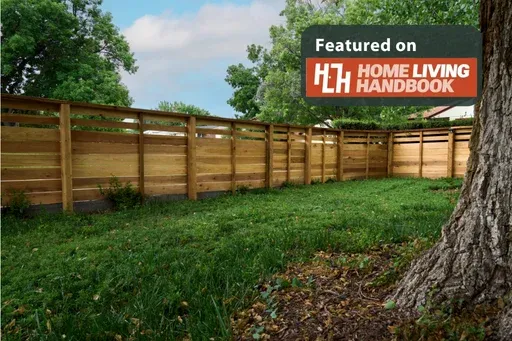
Certain different fence designs incorporate semi-private layouts that balance airflow with visual screening. These designs can provide both functionality and durability for coastal residential properties.
Careful spacing also helps reduce the likelihood of long-term structural fatigue caused by repeated wind exposure.
Why post reinforcement supports stronger fencing systems
Fence posts absorb much of the structural force created by coastal wind conditions. Reinforced post installation helps improve stability while supporting long-term fence alignment.
Professional privacy fence installation projects often include deeper post placement and additional reinforcement in areas exposed to stronger wind channels.
Homeowners working with Top Rail Fence Florida Panhandle benefit from installation strategies designed specifically for coastal environmental conditions.
How fence design balances appearance and performance
Homeowners want fencing systems that complement their property visually while still performing reliably through changing weather conditions.
This balance is one reason many property owners spend time comparing the best fence design before beginning installation.
Why coastal aesthetics still matter
Even in high-wind environments, homeowners still prioritize curb appeal and outdoor design consistency. Fence styles should complement landscaping, exterior architecture, and surrounding outdoor features.
Modern fence designs allow homeowners to achieve both durability and visual appeal without sacrificing functionality.
For homeowners seeking design inspiration, exploring fence design ideas and resources can help illustrate how coastal fencing projects balance structural planning with aesthetic goals.
How customized planning improves long-term results
Every property across the Florida Panhandle experiences different levels of wind exposure depending on elevation, lot orientation, and nearby environmental features.
Customized installation planning allows homeowners to select fencing systems that perform well under their specific site conditions. This approach helps improve durability while maintaining the overall appearance of the property.
Experienced installers evaluate these conditions carefully before recommending final fencing layouts and materials.
Choosing fencing systems designed for coastal conditions
Wind exposure is one of the most important environmental factors influencing fencing projects across the Florida Panhandle. Proper material selection, layout planning, and structural reinforcement all contribute to stronger long-term fence performance.
Homeowners working with Top Rail Fence Florida Panhandle benefit from customized recommendations that balance appearance, airflow management, and durability throughout every phase of the project.
Whether comparing the difference between wood and vinyl fence materials or evaluating multiple different fence designs, careful planning helps ensure fencing systems remain functional and visually consistent in coastal environments.
If you are exploring the best fence design for your property and want guidance tailored to coastal conditions, visit the Contact Us page to connect with Top Rail Fence Florida Panhandle and start planning a fencing solution built for long-term performance across the Florida Panhandle.