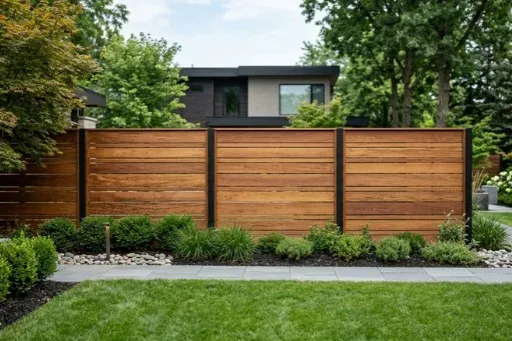
A damaged fence panel does not always mean the entire boundary needs replacing. Cracks, broken rails, loose connections, and faded sections can make a fence look worn, but the right solution depends on whether compatible replacement parts are still available. Before investing in a complete replacement, inspect the existing structure and determine which components can be reused. Working with Top Rail Fence Florida Panhandle can help you assess your vinyl fencing and decide whether repairing individual sections or replacing a larger portion makes more sense for your property.
Identify the source of the damage before buying replacement panels
The first step is to determine which part of the vinyl fencing has failed. A panel that appears badly damaged may be the only affected component, while the posts, rails, and neighboring sections could remain in good condition.
Distinguish panel damage from structural problems
Inspect the affected area to understand what needs attention. A cracked infill panel requires a different solution from a leaning post or a rail that has pulled away from its connection.
Look for these warning signs:
- Cracked panels: Splits, holes, or broken edges that affect the fence's appearance or stability.
- Damaged rails: Horizontal components that are fractured or no longer hold the panel securely.
- Loose connections: Sections that shift because brackets, fasteners, or other connections have failed.
- Unstable posts: Supports that lean, move, or show signs of deterioration around ground level.
- Uneven discoloration: Replacement sections that may look noticeably different from the existing fence.
This distinction matters because replacing one panel will not resolve an underlying structural problem. Identifying the cause of the damage first can prevent unnecessary spending on parts that will not correct the issue.
Measure the existing fence components
Record the damaged panel's width and height, along with the spacing between the posts. Note the dimensions of the horizontal rails and how the panel fits into the surrounding frame.
These measurements provide a starting point when comparing replacement products. However, matching dimensions alone does not guarantee compatibility. Two panels may appear similar but use different rail profiles, locking systems, thicknesses, or attachment methods.
Take photographs of the damaged section, adjacent panels, and post connections. Having these details available can make it easier to identify suitable replacement components.
Match replacement panels to the original fence system
Finding a panel with a similar appearance is only part of the process. Successful vinyl fence installation depends on whether the replacement component fits the existing system and can be secured correctly.
Check the panel profile and attachment method
Vinyl fences come in several configurations, including privacy panels, picket designs, and semi-private styles. Products within the same category can still differ in panel spacing, rail shape, thickness, and connection details.
Compare a prospective replacement with the original component rather than relying on product photographs alone. Confirm that the panel fits securely into the existing rails and suits the available opening.
If the original product has been discontinued, ask whether the manufacturer offers a compatible component within its current range. An alternative may require replacing additional rails or modifying the affected section rather than inserting a single panel.
Trace the original manufacturer and product line
Look for product labels, installation paperwork, invoices, or previous project records that identify the original fence. The manufacturer, product name, installation date, and specifications can help narrow the search for compatible parts.
If documentation is unavailable, provide clear photographs and measurements to a fencing professional. These details can help determine whether the existing system can accommodate replacement components without compromising the fence's appearance or structural integrity.
Compare color and surface finish
A replacement panel may fit correctly but still look out of place. White, tan, gray, and other vinyl finishes can vary between manufacturers and product generations. Existing panels may also have changed in appearance after years of exposure to sunlight and weather.
Compare samples outdoors whenever possible because natural light can reveal differences that are less noticeable indoors. Pay particular attention to sections near entrances, patios, and other visible areas where a mismatched panel could stand out.
You can also review available vinyl fencing styles to compare panel designs, colors, and configurations when evaluating replacement options.
Determine whether a partial repair makes financial sense
Once you understand the compatibility requirements, compare the likely repair costs with the condition of the surrounding fence. The objective is to avoid replacing usable materials unnecessarily while ensuring the finished boundary remains secure and consistent.
Repair individual panels when the surrounding structure is sound
Replacing a single panel may be practical when the posts and rails remain stable, compatible parts are available, and neighboring sections are in good condition.
This approach can reduce material waste and preserve the existing fence layout. It may also limit disruption to established landscaping, walkways, and gates.
Before proceeding, confirm that the replacement will fit the existing assembly and that the repair will not leave weak connections or noticeable inconsistencies.
Replace a complete section when matching parts are unavailable
If the original panel has been discontinued, replacing the entire affected section may offer a more reliable result. Depending on the fence's condition, this could involve new rails, posts, and several panels.
A larger replacement may also make sense when several neighboring sections have cracks, loose connections, or significant discoloration. Compare the cost of sourcing compatible parts with the cost of replacing the affected section to determine which option provides better value.
Consider privacy and function together
Damage to a privacy fence installation can affect more than appearance. Gaps may reduce screening, while loose panels can compromise the fence's function around patios, pools, and outdoor seating areas.
Check whether a proposed replacement maintains the intended level of privacy and aligns with adjacent sections. If the existing arrangement no longer meets your needs, the repair may provide an opportunity to improve the fence's layout or functionality.
Account for Florida Panhandle weather conditions
The local environment should influence decisions about vinyl fencing repairs. Properties in the Florida Panhandle experience intense sunlight, humidity, heavy rainfall, and periods of strong winds. These conditions make it important to evaluate both the damaged panel and the supporting structure.
Examine posts and drainage around the damaged section
Check whether water collects near the fence line or whether the ground around the posts appears unstable. A panel may have suffered an impact or wind damage, but movement in the supporting structure could indicate a separate problem.
Before completing fence installation or replacement work, assess the post supports and surrounding soil. Installing a new panel without addressing an unstable post may lead to further repairs.
Inspect nearby panels for repeated stress
Look beyond the visibly damaged section for loose rails, shifting panels, and cracks around connection points. Damage across several adjacent sections may indicate that the issue extends beyond one isolated panel.
For additional guidance on preparing for severe weather, the National Weather Service's hurricane preparedness resources explain the importance of planning ahead and understanding potential hazards before storms arrive. Regular fence inspections can help identify vulnerable sections before severe weather puts additional stress on the structure.
Create a replacement plan that fits your existing fence
The best repair decision depends on the condition of the existing fence, the availability of compatible parts, and the cost of achieving a consistent appearance. Start by identifying the damaged component, documenting its measurements, and confirming the original product specifications wherever possible.
If matching panels remain available, a targeted repair may preserve most of your vinyl fencing. If the original product has been discontinued or multiple sections have deteriorated, replacing a larger portion may provide a more practical long-term solution.
Avoid ordering materials based on appearance alone. Confirm panel dimensions, rail profiles, attachment methods, and color compatibility before scheduling the work. Careful planning can make vinyl fence installation more predictable and reduce the risk of discovering that replacement parts do not fit after the project has started.
Get professional help with your vinyl fence replacement
If you are unsure whether a damaged panel can be matched, a professional assessment can help clarify your options. Top Rail Fence Florida Panhandle can help you evaluate the existing fence, identify potential replacement requirements, and determine whether a partial repair or a larger update is appropriate. To discuss your vinyl fencing project and plan the next step, visit Contact Us to connect with the team.