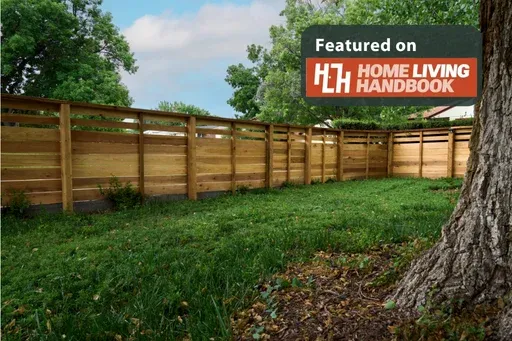
Perfection is often treated as the ultimate goal in outdoor design, but many property owners throughout the Florida Panhandle are embracing a different philosophy. Instead of creating landscapes that appear rigid and overly structured, homeowners are designing outdoor spaces that feel natural, lived-in, and adaptable. This concept is often referred to as planned imperfection, and a well-designed wood fence can play a major role in achieving it.
Many homeowners begin by exploring Top Rail Fence Florida Panhandle to understand how fencing can contribute to a landscape that feels authentic rather than overly manufactured. While modern outdoor design includes clean lines and intentional layouts, natural materials often provide the warmth and character that make a property feel inviting. A thoughtfully installed wood fence can become part of that story, blending structure with organic beauty while allowing outdoor spaces to evolve naturally over time.
Unlike many manufactured materials, wood develops character as it ages, making it uniquely suited for homeowners who appreciate landscapes that grow and change alongside their property.
Why imperfection creates more appealing outdoor environments
Some of the most memorable outdoor spaces are not perfectly symmetrical or identical from corner to corner. They feature subtle variations, mature landscaping, and design elements that feel connected to the natural environment.
A wood fence supports this approach because it introduces texture, warmth, and visual depth that complement outdoor living spaces rather than overpowering them.
Instead of acting as a strict barrier, fencing becomes part of the overall landscape experience.
Natural materials create visual character
One reason homeowners continue choosing wood is its organic appearance. Grain patterns, color variations, and natural aging contribute to a unique aesthetic that cannot be perfectly replicated.
These characteristics allow wood fence designs to feel integrated with gardens, trees, and outdoor gathering spaces.
Landscapes evolve over time
Outdoor spaces are constantly changing. Trees mature, flower beds expand, and homeowners introduce new features throughout the years.
A wood fence adapts naturally to these transformations, helping properties maintain visual harmony as the landscape develops.
The role of texture in outdoor design
Texture often receives less attention than color or layout, yet it significantly impacts how an outdoor space feels.
Wood introduces texture that softens hardscape features such as patios, walkways, retaining walls, and outdoor kitchens.
This balance is especially valuable in the Florida Panhandle, where outdoor living spaces frequently serve as extensions of the home.
Blending fencing with landscaping
Successful outdoor designs often blur the line between built structures and natural elements.
Many homeowners position shrubs, ornamental grasses, and flowering plants along fencing lines to create layered visual interest. A carefully planned wood fence installation provides the backdrop that helps these landscape elements stand out.
Supporting seasonal changes
Different plants thrive at different times of year. Because wood complements a wide range of colors and textures, it remains visually appealing through changing seasons and evolving garden designs.
Planned imperfection encourages flexibility
One advantage of designing with imperfection in mind is flexibility. Homeowners are not forced to maintain rigid layouts or preserve a highly controlled appearance.
Instead, outdoor spaces can evolve naturally as family needs change.
This is one reason many property owners work with Top Rail Fence Florida Panhandle when planning long-term fencing projects.
Accommodating future landscape additions
Outdoor improvements rarely happen all at once. New garden beds, seating areas, pathways, and decorative features are often added gradually.
A versatile wood fence can serve as a foundation that supports future enhancements without requiring significant redesign.
Creating comfortable gathering spaces
Outdoor entertaining continues to grow in popularity throughout the region. Fencing helps define gathering zones while maintaining a welcoming atmosphere.
Rather than creating rigid separations, thoughtful fencing layouts help outdoor spaces feel organized without feeling confined.
Choosing wood materials that complement the environment
Material selection plays a major role in the long-term appearance of fencing.
Different wood fence materials offer unique visual characteristics that influence how the fence interacts with the surrounding landscape.
Understanding these differences helps property owners create designs that align with their goals.
Balancing durability and appearance
Certain wood species offer greater resistance to moisture and weather exposure, while others are selected primarily for aesthetic appeal.
The right choice often depends on how the fence will interact with landscaping, architecture, and outdoor living features.
Enhancing architectural style
From coastal-inspired homes to traditional residential properties, various wood fence designs can complement different architectural styles while preserving a natural look.
This flexibility allows fencing to feel like an intentional part of the property rather than an afterthought.
Why authenticity often outperforms perfection
Highly controlled outdoor environments can sometimes feel sterile or disconnected from nature. Planned imperfection introduces balance by allowing organic elements to contribute to the property's character.
According to the National Park Service's resources on trees and plants, integrating natural elements into outdoor environments helps support visually appealing and environmentally connected landscapes.
A wood fence naturally aligns with this philosophy because it embraces variation rather than eliminating it.
Encouraging visual depth
Outdoor spaces become more engaging when they include multiple layers of texture, height, and natural materials.
Wood fencing helps create this depth while serving practical purposes such as privacy and boundary definition.
Aging gracefully over time
Unlike materials designed to remain visually unchanged, wood often becomes more distinctive as it matures.
Many homeowners appreciate how natural weathering contributes to the fence's overall character while maintaining functionality.
Building outdoor spaces that feel personal
Every property tells a different story. Some homeowners prioritize entertaining, while others focus on gardening, family activities, or peaceful retreats.
A thoughtfully planned wood fence installation provides structure without limiting creativity. By embracing the concept of planned imperfection, property owners can create landscapes that feel authentic, adaptable, and uniquely their own.
Throughout the Florida Panhandle, homeowners are increasingly choosing fencing solutions that complement natural surroundings rather than competing with them. Whether selecting premium wood fence materials, exploring custom wood fence designs, or planning a complete outdoor transformation, the goal is often the same: creating a space that feels genuine and welcoming.
For property owners ready to design an outdoor environment that balances beauty, flexibility, and long-term value, Top Rail Fence Florida Panhandle offers solutions tailored to individual goals. Visit the Contact Us page to connect with Top Rail Fence Florida Panhandle and begin planning a fencing project that grows naturally with your property for years to come.