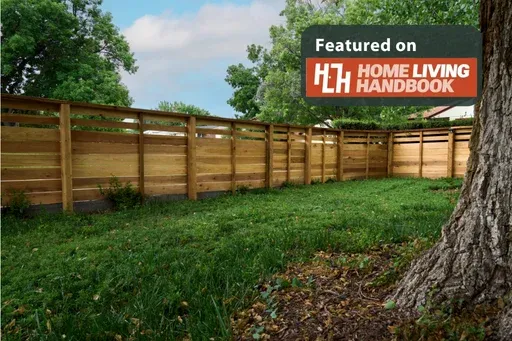
Outdoor spaces in the Florida Panhandle are constantly shaped by heat, humidity, rain, and coastal airflow. These environmental factors do more than influence landscaping. They directly affect how a wood fence installation performs over time. Homeowners often notice that some sections of a fence remain straight and uniform, while others begin to twist, bow, or shift slightly.
Many property owners begin planning their fencing projects by exploring solutions with Top Rail Fence Florida Panhandle, where local conditions are carefully considered before installation begins. A well-planned wood fence installation is not just about appearance. It is about understanding how different boards respond to the environment and ensuring the entire structure performs consistently.
When properly installed, a wood fence becomes a long-term structural feature that adapts to its surroundings while maintaining both function and visual appeal.
Why Wood Boards React Differently Across the Same Fence
Even within a single fence line, wood can behave in surprisingly different ways. This variation often comes down to natural characteristics and environmental exposure.
Natural Differences in Wood Grain
Each board used in a wood fence installation comes from a unique section of a tree. Grain direction, density, and moisture content vary from board to board, which affects how each piece reacts over time.
Boards with tighter, straighter grain tend to remain stable, while those with irregular grain patterns may be more prone to movement. This is why two adjacent boards can age differently, even when installed at the same time.
Moisture Absorption and Release
Wood naturally absorbs and releases moisture depending on weather conditions. In the Florida Panhandle, where humidity levels remain high, this cycle happens frequently.
As moisture enters the wood, the boards expand. When they dry, they contract. Repeated cycles can cause certain boards to warp or twist, especially if they were not evenly dried before installation.
Environmental Conditions That Influence Fence Behavior
The climate in the Florida Panhandle plays a major role in how types of wood fences perform over time.
Sun Exposure and Heat Variation
Not all sections of a fence receive equal sunlight. Some areas may be shaded by trees or structures, while others face direct sun throughout the day.
Boards exposed to intense sunlight dry out faster, which can lead to shrinking or cracking. Meanwhile, shaded sections retain moisture longer, creating uneven expansion across the fence line.
Coastal Air and Wind Patterns
Salt air and coastal winds introduce additional stress to fencing materials. Wind pressure can gradually loosen boards or fasteners, especially in areas where airflow is strongest.
Over time, this constant movement may cause certain boards to shift slightly, contributing to visible differences in alignment.
Homeowners looking to understand how these conditions affect fencing choices can explore Top Rail Fence Florida Panhandle for region-specific solutions designed to handle these challenges.
Material Selection and Its Impact on Performance
The choice of wood fence materials significantly affects how a fence behaves after installation.
Comparing Common Wood Options
Different types of wood fences offer varying levels of stability. For example, cedar is known for its natural resistance to moisture and insects, making it less prone to severe warping.
Pressure-treated pine, while durable, may contain higher moisture levels when first installed. As it dries, it can experience more noticeable movement compared to naturally stable woods.
The Role of Board Quality
Higher-quality boards that are properly kiln-dried tend to perform better over time. These boards have already undergone controlled moisture reduction, which helps minimize future expansion and contraction.
Choosing the right wood fence materials can reduce long-term maintenance concerns and improve overall consistency.
Installation Techniques That Reduce Board Movement
Proper installation plays a critical role in minimizing differences between boards.
Secure Post Placement and Spacing
A stable fence begins with well-installed posts. During wood fence installation, posts must be set deep enough to withstand shifting soil and environmental stress.
Even spacing between posts helps distribute weight evenly, reducing pressure on individual boards and limiting movement over time.
Allowing for Natural Expansion
Professional installers account for wood movement by leaving small gaps between boards. This spacing allows the material to expand and contract without pushing against adjacent boards.
Without this consideration, boards may buckle or warp as they respond to moisture changes.
Homeowners researching options can also review wood fence styles to see how different designs accommodate natural material movement.
How Maintenance Affects Long-Term Fence Behavior
Ongoing care influences how consistently a fence performs across seasons.
Sealing and Protecting the Surface
Applying sealants or stains helps regulate moisture absorption. This reduces the intensity of expansion and contraction cycles, helping boards maintain their shape.
Regular sealing also protects against sun damage, which can weaken wood fibers over time.
Monitoring Early Changes
Catching small issues early can prevent larger structural problems. Slight warping or loosening can often be corrected before it spreads to other sections of the fence.
Routine inspections allow homeowners to maintain a more uniform appearance across the entire structure.
Understanding Cost in Relation to Material Behavior
The wood fence installation cost often reflects the quality of materials and installation techniques used.
Investing in Stability
Higher upfront costs for premium materials or professional installation can reduce long-term repair expenses. Stable boards and proper construction minimize the likelihood of warping or misalignment.
Balancing Budget and Performance
While budget-friendly options are available, they may require more maintenance over time. Understanding how different materials behave helps homeowners make informed decisions about value and durability.
According to the Family Handyman wood fence guide, material quality and installation methods are key factors in how well a fence holds up under changing environmental conditions.
Building a Fence That Adapts to Its Environment
A wood fence installation in the Florida Panhandle is never static. It is a living structure that responds to sun, moisture, and wind throughout the year. Understanding why some boards warp while others remain stable helps homeowners plan more effectively and set realistic expectations.
With guidance from Top Rail Fence Florida Panhandle, property owners can choose the right types of wood fences, materials, and installation techniques to create a fence that performs consistently across varying conditions. Thoughtful planning ensures that each board contributes to a durable and visually balanced structure.
If you are considering a new fencing project or want to better understand your options, visit the Contact Us page to connect with Top Rail Fence Florida Panhandle and start designing a fence built for long-term performance.