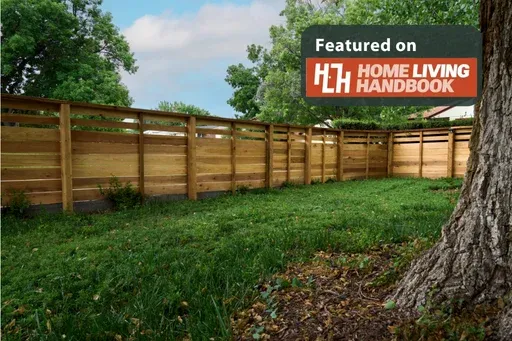
Coastal environments quietly influence more than just landscaping. In the Florida Panhandle, steady breezes and seasonal gusts subtly affect how fences look, feel, and perform over time. Homeowners who invest in Top Rail Fence Florida Panhandle often begin to notice that a well-planned wood fence installation does more than define property lines. It interacts with wind patterns in ways that shape both durability and appearance.
Unlike rigid materials, a properly installed wood fence adapts to its surroundings. Over time, wind exposure influences the spacing, alignment, and even the aging of fence boards, creating a fence that reflects the coastal environment without drawing attention to the process.
This natural interaction is part of what makes wood fencing uniquely suited for coastal properties.
How Coastal Winds Influence Fence Behavior
Wind is a constant factor in the Florida Panhandle, and it plays a larger role in fencing performance than many homeowners realize.
Subtle Pressure on Fence Surfaces
Every fence experiences wind pressure, but with a wood fence installation, the effect is more dynamic. Air moves through and around the structure, placing a gentle but consistent force on panels.
Over time, this pressure can slightly influence how fence boards settle. Instead of remaining perfectly rigid, they adjust in small ways that help the fence maintain balance against changing wind conditions.
Airflow Through Fence Design
Unlike solid barriers, many wood fence styles are designed to allow airflow. Small gaps between boards or alternating panel designs reduce resistance against strong gusts.
This design approach prevents excessive strain on the structure. It allows the fence to work with the wind rather than against it, improving long-term stability.
Homeowners working with Top Rail Fence Florida Panhandle often find that these subtle design considerations make a noticeable difference in how their fence performs over time.
The Role of Fence Boards in Wind Adaptation
The individual components of a fence contribute to how it responds to coastal conditions.
Flexibility of Natural Wood
Wood has a natural flexibility that allows it to absorb and distribute wind pressure. Each board can shift slightly without compromising the overall structure.
This flexibility is especially important in areas where wind patterns change frequently. A cedar fence, for example, is known for balancing strength with slight give, making it well-suited for coastal climates.
Spacing That Supports Durability
Proper spacing between fence boards is essential during wood fence installation. If boards are installed too tightly, wind pressure can build up and create stress points.
By allowing small gaps, installers create pathways for air to pass through. This reduces the risk of damage while maintaining the visual integrity of the fence.
How Wind Shapes the Look of Wood Fencing
Wind does not just affect structure. It also contributes to how a fence appears over time.
Gradual Alignment Changes
As wind interacts with a fence over months and years, boards may settle into slightly different positions. These changes are often subtle and difficult to notice day by day.
However, they contribute to a more natural, lived-in appearance that many homeowners find appealing. A wood fence installation in the Florida Panhandle often develops a character that reflects its environment.
Weathering Patterns Influenced by Airflow
Wind carries moisture, salt, and debris that interact with the surface of wood fence materials. Areas with higher exposure may weather differently than more sheltered sections.
This creates variation in color and texture across the fence. Rather than appearing uniform, the fence develops depth and visual interest over time.
Designing for Coastal Conditions
A successful fence in a coastal region requires thoughtful planning that accounts for environmental factors.
Choosing the Right Wood Fence Styles
Some wood fence styles perform better in windy conditions than others. Semi-private designs, such as shadowbox fencing, allow air to flow through while still providing coverage.
These styles reduce pressure on the fence and help maintain structural integrity during strong coastal winds.
Strategic Placement Around the Property
Fence placement also plays a role in how wind affects the structure. Positioning a fence in areas with natural windbreaks, such as trees or buildings, can reduce direct exposure.
At the same time, open areas may require designs that prioritize airflow to prevent stress on the fence.
For homeowners exploring design options, reviewing wood fencing solutions can provide insight into how different layouts respond to environmental conditions.
Installation Techniques That Support Wind Resistance
Even the best materials need proper installation to perform well in coastal climates.
Strong Post Foundations
The stability of a wood fence installation begins with its posts. In the Florida Panhandle, soil conditions can vary, often including sandy or moisture-rich ground.
Posts must be set deep and secured properly to withstand ongoing wind exposure. This foundation ensures the fence remains upright and stable over time.
Consistent Panel Construction
Uniform alignment and spacing between fence boards help distribute wind pressure evenly across the structure. This prevents weak points that could lead to damage.
Professional installers focus on precision during construction, ensuring that each section of the fence contributes to overall durability.
Homeowners who choose Top Rail Fence Florida Panhandle benefit from installation methods designed specifically for coastal environments.
Long-Term Benefits of Wind-Responsive Fencing
A fence that adapts to wind conditions offers advantages beyond durability.
Enhanced Longevity
By allowing airflow and reducing pressure, a well-designed fence experiences less strain over time. This can extend the lifespan of the structure and reduce the need for repairs.
A cedar fence or other high-quality wood option becomes a long-term investment that performs consistently in coastal conditions.
Natural Integration with the Landscape
Wind-shaped fencing often blends more naturally with its surroundings. The subtle variations in alignment and texture create a fence that feels connected to the environment.
According to Bob Vila’s fencing guide, wood fencing remains a popular choice because of its adaptability and ability to complement natural landscapes.
A Fence That Moves with the Environment
Choosing a wood fence installation in the Florida Panhandle means embracing a material that interacts with its surroundings. Coastal winds do not simply pass by. They shape how the fence performs and evolves over time.
From the flexibility of fence boards to the thoughtful design of wood fence styles, every element contributes to a structure that works with the environment rather than resisting it. This results in a fence that is both durable and visually dynamic.
With expert guidance from Top Rail Fence Florida Panhandle, homeowners can design fencing solutions that account for coastal wind patterns while maintaining strength and visual appeal. If you are planning a fencing project, visit the Contact Us page to connect with Top Rail Fence Florida Panhandle and explore how professional wood fence installation can enhance your outdoor space.