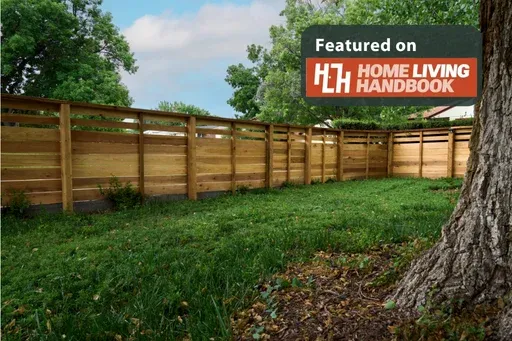
An awkward corner of a backyard can be surprisingly difficult to use. It may sit behind a garage, beside a driveway, along an irregular property line, or simply remain empty because its shape does not accommodate conventional outdoor furniture. In Holland, MI, thoughtful fence design can change the way that space functions by giving it definition without requiring another major structure. Homeowners considering ways to improve an underused section can start with the Holland fencing location page to explore options available from Top Rail Fence Holland.
The right fence design does more than establish a boundary. It can introduce a sense of enclosure, direct movement, separate activities, and give landscaping a stronger visual framework. When the fence is planned around the shape and purpose of an overlooked corner, even a small or awkward area can become a useful part of the backyard.
Start with the corner instead of working around it
An underused area does not necessarily need more square footage. It may simply need a clearer purpose and a structure that helps define its limits.
Identify what the space can realistically accommodate
The first step in effective fence design is understanding the dimensions and conditions of the corner. A narrow space might work well for container gardening, while a wider section could accommodate a bench, firewood storage, a small seating area, or a pet zone.
Trees, slopes, drainage patterns, existing sheds, and utility access should also be considered. A fence layout that ignores these features can create unnecessary obstacles or make the finished area difficult to use.
Give an awkward shape a deliberate purpose
Irregular corners can actually become distinctive features when their unusual shape is incorporated into the design. Instead of trying to make the space look rectangular, the fence can follow the existing property characteristics and establish a defined area within them.
This approach can make the corner feel intentional rather than leftover. The fence becomes a visual tool that tells the eye where one outdoor function ends, and another begins.
Use enclosure to create a functional outdoor room
A fence can create the feeling of a separate outdoor room without constructing walls, a roof, or a permanent addition.
Establish a small retreat
A quiet corner behind the house can become a place for reading, relaxing, or enjoying a morning coffee. Strategic fence design can provide enough enclosure to make the area feel distinct from the main lawn.
The addition of a chair, bench, small table, or planters can complete the space without requiring extensive construction. This can be particularly useful when the corner has previously been ignored because it lacked a clear function.
Create separation between competing activities
Backyards frequently need to support several uses at once. Children may need a play area, pets may need room to move, and adults may want a quieter place to relax.
A carefully planned residential fencing layout can divide these functions without requiring a separate building for each activity. The fence can act as a visual and physical transition between spaces while helping the yard feel more organized.
Let the fence work with the landscape
An effective fence design should complement the yard instead of appearing disconnected from it. Landscaping can make an enclosed corner feel more natural and can soften the transition between fencing and surrounding features.
Frame planting areas
A fence can provide a backdrop for shrubs, flowers, climbing plants, or container gardens. This is particularly useful when an unused corner already receives appropriate sunlight but lacks structure.
Penn State Extension notes that borders such as fences, hedges, paths, and plantings can frame a landscape and help keep vegetation from interfering with surrounding spaces.
This makes the fence part of the overall landscape composition rather than an isolated boundary.
Use planting to soften hard lines
Straight fence lines can sometimes look severe when surrounded by an open lawn. Planting along selected sections can introduce texture and create a gradual transition between the fence and the rest of the yard.
Shrubs or ornamental plants can also help emphasize the corner as a destination. Instead of disappearing into the background, the space can become a recognizable feature of the property.
Choose the fence style according to the corner's purpose
There is no single fence design that works for every underused area. The material and style should correspond with what the space is intended to accomplish.
Use privacy where visual separation matters
If the corner is positioned beside a neighboring property or a busy part of the yard, a more enclosed fence can create a stronger sense of separation. This can turn the space into a secluded seating area, garden, or storage zone.
Privacy-oriented designs can also conceal less attractive features such as equipment, bins, or utility-related elements when local requirements and access considerations allow.
Keep visibility where openness is useful
A corner used for pets, gardening, or casual activity may benefit from a more open fence style. Visibility can help the space feel connected to the rest of the yard while still giving it a defined boundary.
This demonstrates why fence design should be based on function first. The goal is not simply to fill an empty edge, but to select a structure that supports the way the space will actually be used.
Make access part of the layout
A corner can become frustrating when the fence makes it difficult to reach. Gates should therefore be considered as part of the design rather than added after the fence line has already been determined.
Position gates around natural pathways
The most convenient gate location usually relates to how people already move through the yard. A gate near an existing walkway can create an intuitive entrance, while a wider opening may be necessary if lawn equipment or larger items need to pass through.
During fence installation, these access points should be aligned with the surrounding landscape and structures so that the finished enclosure feels connected to the rest of the property.
Leave room for future use
An overlooked corner may have one purpose today and another several years from now. A small garden could eventually become a seating area, while a storage section could later become a place for hobbies.
Flexible fence design gives the homeowner more opportunities to adapt the space rather than locking it into one narrow function.
Use fencing to improve the visual balance of the yard
An empty corner can sometimes make a backyard feel incomplete, especially when the main outdoor areas are carefully landscaped. Fencing can give the eye a stopping point and create stronger relationships between different parts of the property.
Create a visual anchor
A thoughtfully designed fence section can provide structure behind a garden, seating area, or decorative feature. The corner then becomes part of the overall composition instead of remaining visually disconnected.
This is especially effective when the fence material complements the home's exterior. Wood, vinyl, ornamental metal, and other options can produce very different impressions, so the choice should reflect both the house and intended outdoor use.
Avoid unnecessary visual clutter
The goal is not to fill every available part of the yard with structures. A successful fence design should simplify the space by giving it definition.
This is one reason professional planning can be valuable. A qualified fence company can assess the relationship between the fence, property boundaries, existing structures, landscaping, and access requirements before installation begins.
For homeowners comparing styles and materials for an unusual yard layout, the Holland fence types and designs provide examples of wood, vinyl, ornamental metal, chain link, composite, privacy, and other fencing options that can be adapted to different property goals.
Account for the practical details before installation
Turning an unused corner into a useful area requires more than selecting a visually appealing fence. The physical conditions of the site can influence how well the completed project performs.
Consider grading and drainage
Water movement should not be ignored when planning a fence around a low or irregular section of the yard. Changes in grade can affect panel alignment, post placement, and how the surrounding landscape handles rainfall.
A site plan can help identify existing property features and drainage patterns before construction. University of Minnesota Extension recommends considering property boundaries, contours, driveways, existing vegetation, and drainage when developing a landscape plan.
Verify boundaries and local requirements
Fence placement should correspond with the property's actual boundaries and applicable local regulations. Height, setbacks, permits, and neighborhood or HOA requirements can influence the final layout.
Addressing these details before fence installation can reduce the likelihood of having to modify an otherwise completed project.
Give an overlooked corner a reason to exist
A neglected backyard corner does not automatically require a shed, addition, or major landscaping project to become useful. Sometimes, the most important change is simply giving the area a clear boundary and purpose.
Through thoughtful fence design, an unused section can become a garden, private retreat, pet area, storage zone, entertaining space, or extension of another outdoor activity. The fence can define the area while landscaping and furnishings complete its function.
For Holland, MI homeowners, Top Rail Fence Holland can help develop a practical approach to residential fencing that considers the property's existing layout rather than forcing an unsuitable standard configuration. Professional planning and fence installation can help ensure the finished structure fits the space, supports access, and contributes to the appearance of the entire yard.
When you're ready to turn an overlooked corner into a more purposeful part of your property, the Contact Us page provides a direct way to discuss your project. With the right fence design, Top Rail Fence Holland can help you create a useful outdoor area without the need for another major structure.