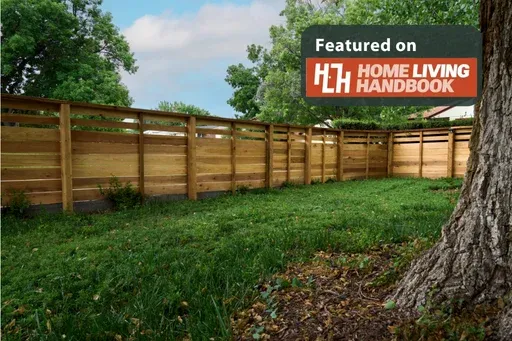
Not every yard provides a simple rectangular space for a fence. In Holland, MI, properties can include mature trees, sloping sections, narrow side yards, unusual property lines, existing structures, or other features that make a standard fence layout impractical. A thoughtful fence design can respond to these conditions instead of trying to make the property conform to a rigid pattern. Homeowners planning a fencing project can explore the Top Rail Fence Holland fencing page for local solutions.
Good fence design begins with the property that actually exists. Rather than viewing unusual features as obstacles, the fence can be planned around them so the finished installation feels intentional. This approach can improve usability, preserve important landscape elements, and create a finished boundary that complements the home's existing layout.
Let the lot shape influence the fence plan
A property's shape should be one of the first considerations when developing a fence design. A straight line may work well on one side of a yard but create problems when the boundary changes direction or the terrain becomes irregular.
Follow irregular property lines carefully
Lots do not always have perfectly straight boundaries. Angled sections, tapered side yards, and changes in property lines can affect where fence panels and gates can be positioned.
A well-planned fence design can follow these variations while maintaining a consistent visual appearance. Instead of forcing the fence into an artificial shape, the layout can respond to the actual dimensions of the property.
This is especially important because the City of Holland states that a permit is required for new and replacement residential fences, and the permit holder is responsible for knowing the location of the property lines.
Work with narrow sections
A narrow side yard may not provide enough room for a conventional fence arrangement with wide landscaping beds or large gates. The design should account for the available clearance and how people will move through the space.
A carefully positioned fence can preserve access while still creating a clear boundary. In some cases, adjusting the fence line slightly or selecting an appropriate gate configuration can make the difference between an awkward passage and a practical one.
Turn mature landscape features into design assets
Established trees and landscaping can complicate fence installation, but they can also contribute to a more distinctive finished result.
Preserve valuable trees when possible
A mature tree can provide shade, character, and natural screening that would take years to recreate. Removing it simply to create a straight fence line may not be the best solution.
Instead, fence design can take existing trees into account by determining how the fence should transition around the landscape. The exact approach will depend on the tree's location, root system, property boundaries, and the structural requirements of the fence.
Blend fencing with existing planting
A fence does not need to compete with shrubs, gardens, or other established vegetation. It can serve as a background element that gives landscaping more definition.
For example, a garden along an irregular property edge can become more visually organized when the fence provides a consistent backdrop. Similarly, shrubs can soften sections where the fence changes direction because of the lot's shape.
This creates a more natural relationship between the fence design and the landscape instead of treating each feature separately.
Adapt the layout to changes in elevation
Slopes can be among the most noticeable challenges when planning a fence. A yard that rises or falls across the property may require a different approach from a level lot.
Choose a layout that follows the terrain
A fence can be designed to accommodate changes in grade rather than appearing disconnected from the ground beneath it. The appropriate approach depends on the severity of the slope, the selected material, drainage conditions, and the desired appearance.
A carefully considered layout can help maintain consistent lines while avoiding unnecessary gaps or awkward transitions.
Consider drainage before construction
Water movement should also be considered when fencing crosses sloped or uneven sections. The fence should not unintentionally interfere with established drainage patterns or create areas where water collects.
This makes site evaluation an important part of fence installation. The finished fence needs to function as part of the broader property rather than being treated as an isolated structure.
Use fence styles to respond to different property conditions
The available fence styles can provide flexibility when unusual lot characteristics make one approach unsuitable.
Select privacy where screening is important
A private section of the yard may benefit from a more enclosed fence. This can be useful along a neighboring property, around an outdoor living area, or beside a section of the home where visual separation is desirable.
However, privacy does not necessarily mean every section of the property needs to use the same design. A thoughtful plan can combine different levels of openness when appropriate.
Consider open designs for visually sensitive areas
An open fence style can work well when homeowners want to define a boundary without creating a heavy visual barrier. This can be particularly useful around gardens, front-facing areas, or sections where existing landscaping already provides screening.
The right combination of fence styles can help an unusual lot feel cohesive while allowing different portions of the property to perform different functions.
For homeowners comparing options, the fence styles and materials available for Holland properties can provide a starting point for considering how different designs might respond to a property's unique layout.
Design around existing structures instead of ignoring them
Garages, sheds, patios, retaining walls, decks, and other structures can interrupt an otherwise straightforward fence line.
Create clean transitions near buildings
When a fence approaches a garage or shed, the transition should be planned so that the fence does not interfere with doors, maintenance access, or vehicle movement.
A strong fence design can use these existing structures as natural reference points. The fence line can change direction where appropriate while maintaining a deliberate appearance.
Protect everyday access
A fence should not make routine property maintenance unnecessarily difficult. Gates may need to accommodate lawn equipment, bicycles, gardening supplies, vehicles, or other items depending on the location.
Planning these requirements before fence installation helps ensure that the finished boundary remains convenient instead of creating new restrictions.
Make unusual corners serve a purpose
An irregular portion of a lot can sometimes become one of its most useful areas when the fence design gives it a clear function.
Establish a secluded garden
A corner created by an angled property line can provide an excellent location for planting beds, containers, or a small garden retreat. Fencing can establish the boundary while helping the space feel distinct from the rest of the yard.
Create a defined outdoor activity area
An unusual side section could also become a place for seating, hobbies, pet activity, or outdoor storage. Rather than leaving the area disconnected from the rest of the property, the fence can give it structure.
This demonstrates how residential fencing can contribute to more than privacy or property separation. Its layout can influence how effectively the available yard is used.
Check local requirements before finalizing the layout
Unusual properties deserve extra attention during the planning stage because property lines, corner lots, sidewalks, and other site conditions can affect the final fence configuration.
Confirm permit requirements
The City of Holland's current zoning resources include a residential fence application and indicate that fence projects require permitting. The city also asks applicants to provide a diagram showing the yard, house, streets, and proposed fence.
Homeowners can review the city's Unified Development Ordinance for current requirements affecting property improvements.
Checking these requirements before construction can help prevent a layout from being planned around assumptions that do not apply to the property.
Resolve boundary questions early
A fence should be positioned according to verified property information. If there is uncertainty about where the property ends, resolving that issue before fence installation is considerably easier than correcting an improperly positioned fence afterward.
This is particularly important on lots with unusual angles, older property boundaries, or close relationships with neighboring structures.
Let the property guide the final result
An unusual lot does not need to be a disadvantage when planning a new fence. In fact, irregular boundaries, mature trees, slopes, narrow passages, and existing structures can encourage a more personalized approach.
Through intentional fence design, homeowners can create a boundary that follows the property's natural characteristics instead of imposing a generic layout. The right fence styles, access points, materials, and installation techniques can help the finished project feel like it belongs on the property from the start.
For Holland, MI homeowners, Top Rail Fence Holland can help evaluate how a property's unique characteristics should influence the fencing plan. A professional fence company can consider terrain, structures, access, landscaping, boundaries, and intended use before the project moves into fence installation.
If your lot has an unusual shape or features that make standard fencing difficult to visualize, reach out to us through the Contact Us page, so we can discuss your project. With a carefully developed fence design, Top Rail Fence Holland can help create a finished boundary that works with the property rather than forcing the property into a standard layout.