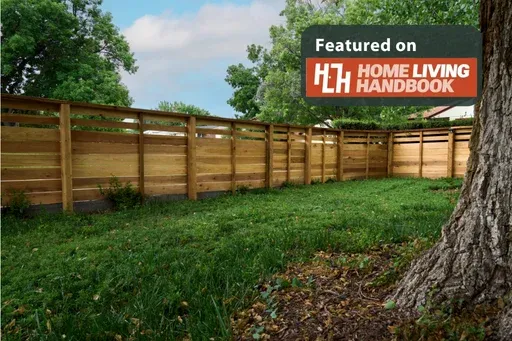
A successful fence installation is about more than the finished panels. For homeowners in Holland, the experience includes deciding what the fence needs to accomplish, reviewing fence materials, confirming the layout, preparing the property, and making sure the finished boundary works as intended. The process becomes much easier when each stage is clearly explained. If you are considering residential fencing, you can start by exploring Top Rail Fence Holland for local installation options before moving ahead with your project.
The project starts with understanding the homeowner's priorities
Every fence project has a reason behind it. One homeowner may want more privacy around a backyard, while another may need a defined space for children, pets, entertaining, or property access. Some projects are primarily about curb appeal, while others depend on creating a dependable boundary around the entire yard.
That first conversation gives the fence company a better understanding of what the homeowner expects from the finished installation.
Identify what the fence needs to accomplish
A useful planning conversation can cover several practical questions:
- Where should the fence begin and end?
- Which areas need gates?
- Is privacy important?
- Should the fence complement the existing home?
- Will pets or children use the enclosed space?
- Are there landscaping features, driveways, patios, or structures to work around?
These details influence the layout just as much as the appearance of the fence.
Turn ideas into a workable project
A homeowner may have a general idea of what they want without knowing exactly how that idea will translate to the property. During the consultation stage, measurements, access points, grade changes, existing structures, and other site conditions can help turn that initial vision into a practical plan.
This is where professional fence installation planning can prevent problems later. Instead of selecting a fence simply because it looks appealing in a photograph, the homeowner can consider how the design will function on the actual property.
The estimate gives the homeowner a clearer picture
Once the property and project goals have been discussed, the estimate becomes an important point in the homeowner journey. It provides an opportunity to understand the anticipated scope of the work and compare the proposed solution against the original goals.
A professional estimate should leave the homeowner with a better understanding of what is being planned, rather than leaving important details unclear.
Measurements help shape the scope
The amount of fencing required depends on the property's dimensions and the layout selected. Gates, corners, transitions, and changes in direction can also affect the overall scope.
Accurate measurements help create a more realistic picture of what the fence installation will involve.
The estimate connects design with budget
Budget considerations naturally influence material and design decisions. Reviewing those choices before installation allows homeowners to make informed decisions rather than discovering important cost differences after work has started.
The goal is not simply to find the lowest possible price. It is to find a combination of design, durability, functionality, and fence materials that makes sense for the property.
Choosing materials becomes part of the experience
After the project scope is clearer, homeowners can focus on the appearance and performance they want from their fence. Different fence materials create different visual effects and maintenance expectations.
Wood can provide a traditional, natural appearance. Vinyl can create a clean look with relatively simple upkeep. Aluminum and other metal options can provide an open appearance while establishing a strong boundary. Chain link can be useful when visibility and practicality are priorities.
The right selection depends on the homeowner's goals, property conditions, desired appearance, and budget.
Look beyond appearance
A fence should work well after installation, not just look good on the day it is completed. Consider how the material will interact with weather, landscaping, gates, pets, maintenance routines, and everyday use.
For homeowners comparing possibilities, the Top Rail Fence Holland products page provide a useful starting point for seeing how different fence materials can serve different purposes.
Make the design fit the property
A strong residential fencing plan should feel connected to the home rather than appearing like an afterthought. Fence height, color, spacing, gate placement, and transitions can all influence the final appearance.
That attention to detail can make the finished project feel intentional from the street and from inside the yard.
Preparation turns the plan into an installation
Once the design has been selected, preparation becomes the bridge between planning and construction. This stage is particularly important because the fence follows the property's actual conditions.
In Holland, homeowners should also understand applicable local requirements before work begins. The City of Holland states that a permit is required for new and replacement residential fences, and its guidance notes that homeowners or permit holders need to know where their property lines are.
For homeowners who want to review the requirements directly, the City of Holland's residential fence information provides guidance on permits, property lines, fence placement, and permitted fence types.
Confirm the site before digging
The installation area needs to be considered before posts are placed. Property boundaries, existing structures, landscaping, utilities, and access points can all influence where the fence can be installed.
A careful fence installation process accounts for these factors before construction progresses too far.
Prepare for gates and access
Gates deserve attention because they affect how the homeowner will use the finished fence every day. A backyard gate may need to accommodate people carrying equipment, while a wider driveway gate may need to accommodate vehicles.
Thinking about these movements before installation helps ensure the finished residential fencing supports the way the property is actually used.
Installation day brings the plan to life
The installation stage is where measurements, design decisions, and material selections become a physical structure. Posts establish the framework, fence sections create the boundary, and gates complete the access points.
For the homeowner, this is often the stage where the original concept becomes easier to visualize.
Consistency matters across the fence line
A professionally handled fence installation should maintain consistent alignment from one section to another while adapting to the property's specific conditions.
Corners, transitions, slopes, and gate areas can require additional attention because these sections are highly visible and directly affect how the entire fence looks.
Details influence the finished appearance
Small construction details can have a noticeable impact. Consistent spacing, properly aligned sections, secure posts, correctly positioned gates, and clean transitions all contribute to a finished fence that looks deliberate rather than improvised.
This is one reason choosing an experienced fence company can be valuable when the property has a complicated layout or several functional requirements.
The final walkthrough closes the loop
The homeowner experience should not end when the last section is installed. A final walkthrough provides an opportunity to look over the completed fence, review the gates and access points, and make sure the finished project reflects the original plan.
Review the completed boundary
Walking the property gives the homeowner a chance to see the fence from different perspectives. This can include checking how the fence meets the house, how gates operate, and how the new boundary interacts with landscaping and outdoor spaces.
Confirm everyday functionality
A finished residential fencing project should make daily use easier, whether the original goal was privacy, security, pet containment, visual definition, or a combination of several needs.
The final walkthrough provides a natural point to confirm that the fence delivers on those priorities.
A smoother experience comes from communication
The homeowner journey is easier when communication continues from the first estimate through the final walkthrough. Questions about design, materials, scheduling, access, and installation can be addressed as the project progresses rather than left until the end.
Top Rail Fence Holland approaches each project with attention to the homeowner's goals, property conditions, and selected design. The local team provides custom fencing solutions for residential properties and works with homeowners throughout the process.
A clear process also helps homeowners understand what happens next. Instead of wondering when measurements will occur, when materials will be selected, or when installation will begin, each stage can build logically on the previous one.
The finished fence should support the way you live
A fence is ultimately part of the property, not simply a separate structure placed along its edge. The best fence installation projects account for how homeowners enter the yard, move through outdoor spaces, use gates, maintain landscaping, and enjoy their property.
That is why the homeowner journey matters. A thoughtful consultation leads to a useful estimate. The estimate informs material and design decisions. Preparation supports a smoother installation. Installation creates the physical boundary. Finally, the walkthrough confirms that the completed project meets the expectations established at the beginning.
For homeowners planning residential fencing in Holland, Top Rail Fence Holland can help guide the process from the first conversation through the completed project. When you are ready to discuss your goals, materials, layout, and installation needs, visit the Contact Us page to begin planning your next fence installation with Top Rail Fence Holland.