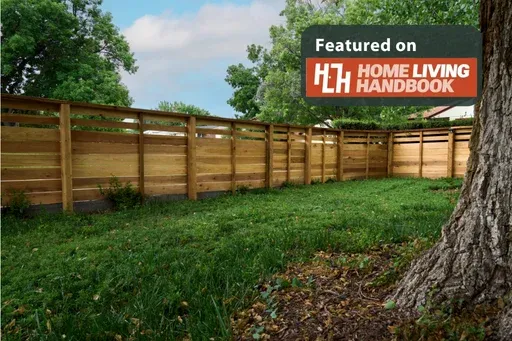
Backyards across Holland often vary significantly in shape, depth, and elevation. Some neighborhoods feature compact residential layouts, while others include wide corner lots or elongated outdoor spaces that require more intentional planning. In these settings, privacy fence installation becomes more than a boundary feature. It helps organize outdoor environments into purposeful zones that support privacy, movement, and functionality. By exploring the Holland service area page, homeowners can better understand how fencing solutions adapt to changing property dimensions and backyard layouts.
Reorganizing outdoor layouts through fencing structure
A well-planned fencing system helps define outdoor zones while maintaining visual consistency across the property. Effective privacy fence installation can guide how space is used without making a yard feel confined.
Separating activity areas with clear boundaries
Fencing layouts can divide outdoor spaces into dining areas, recreation zones, garden sections, or quiet seating spaces. This separation creates better organization while supporting everyday functionality.
Managing visibility across neighboring properties
Different lot widths and home spacing in Holland neighborhoods often require tailored privacy solutions. Strategic fence placement helps reduce direct sightlines without overwhelming the yard.
Improving spatial balance in irregular backyards
Many residential properties contain angled corners or uneven layouts. Proper fence installation helps create visual symmetry, making outdoor spaces feel more intentional and cohesive.
How fence height influences backyard usability
Fence height plays a major role in how outdoor spaces feel and function. A properly designed privacy fence installation balances enclosure with openness.
Creating private gathering areas
Taller fence sections around patios or seating spaces help homeowners create more secluded environments for relaxation and entertainment.
Preserving openness near landscape features
Lower sections or transitional fence layouts near gardens and pathways help maintain airflow and visibility while still supporting privacy goals.
Supporting layered backyard designs
Varying fence heights can help create depth throughout the property. This layered approach improves how different sections of the yard connect visually.
Fence alignment strategies for mixed lot dimensions
Properties throughout Holland often require customized fence alignments to accommodate varying widths and backyard shapes. Careful positioning helps maximize both function and appearance.
Following natural property contours
Rather than forcing straight lines across uneven terrain, customized fence alignment allows the fencing system to complement the existing landscape.
Maintaining proportional spacing
Balanced spacing between fence sections and outdoor structures prevents the yard from feeling crowded. This is especially important for smaller residential properties.
Integrating gates into movement pathways
Gate placement directly affects how homeowners move throughout outdoor spaces. Proper positioning supports smoother transitions between backyard zones while improving accessibility.
Material consistency and long-term residential performance
Fence durability becomes increasingly important in climates where seasonal weather changes affect outdoor structures. Reliable materials help maintain appearance and performance over time.
Stable panel construction
Consistent panel alignment helps maintain clean visual lines throughout the property. This contributes to a more organized and refined backyard appearance.
Resistance to seasonal exposure
Moisture, temperature fluctuations, and wind exposure can impact outdoor materials. According to the National Association of Home Builders, durable fencing materials and proper installation practices contribute significantly to long-term structural performance.
Reduced maintenance requirements
Well-installed residential fencing systems help reduce the need for constant upkeep, allowing homeowners to maintain cleaner and more manageable outdoor spaces.
Adapting residential fencing to changing backyard functions
Outdoor spaces often evolve over time. Flexible fencing layouts allow homeowners to adjust backyard usage without disrupting the overall design.
Supporting entertainment-focused layouts
Families who frequently host outdoor gatherings often benefit from fencing configurations that separate entertaining zones from utility areas.
Enhancing safety around outdoor features
Pools, play areas, and pet spaces can all be organized more effectively with thoughtfully planned residential fencing layouts.
Improving long-term property flexibility
As landscaping plans or outdoor priorities change, adaptable fencing systems help homeowners maintain usability without major redesigns.
Privacy transitions that maintain visual flow
One challenge with privacy fence installation is maintaining a natural transition between enclosed and open areas. Careful fence design helps avoid abrupt visual separation.
Combining enclosed and semi-open sections
Mixing solid panels with decorative sections can soften transitions between outdoor zones while still maintaining privacy.
Extending visual lines across the property
Fence alignment that follows landscape patterns creates smoother movement throughout the backyard and helps maintain a connected appearance.
Reducing visual heaviness in smaller yards
Strategic spacing and layout adjustments prevent fencing from overwhelming compact residential spaces.
For homeowners seeking adaptable outdoor solutions, Top Rail Fence Holland provides guidance on creating fencing systems that improve organization, privacy, and usability across a wide range of backyard layouts.
Additionally, Top Rail Fence Holland helps property owners select fencing configurations that align with changing outdoor priorities while maintaining long-term structural consistency.
Planning outdoor zones around long-term residential needs
Effective privacy fence installation supports more than immediate privacy goals. It helps create a flexible outdoor framework that adapts to evolving property use over time.
Organizing multi-purpose backyards
Families often use outdoor spaces for several activities simultaneously. Well-designed fencing helps separate these functions while preserving overall flow.
Reinforcing curb appeal and property structure
Consistent fencing layouts contribute to a more polished residential appearance and improve the overall organization of the property.
Supporting comfortable outdoor living
Balanced fencing systems allow homeowners to enjoy outdoor areas with greater privacy, functionality, and visual comfort throughout the year.
In neighborhoods where lot sizes and backyard layouts vary significantly, carefully planned fencing systems help create more functional and visually balanced outdoor spaces. Thoughtful privacy fence installation improves movement, organization, and privacy without limiting openness across the property.
To begin planning a customized fencing solution for your property, visit the Contact Us page and connect with Top Rail Fence Holland for expert guidance on your next fence installation project.