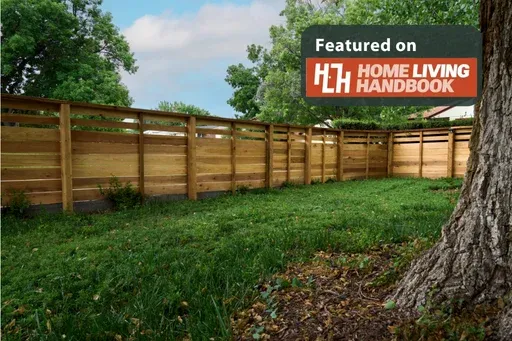
A backyard can become much more useful when different areas have a clear purpose. In Holland, MI, a section of the yard could serve as a gardening retreat, a place for woodworking, an outdoor art studio, or simply a quiet setting for reading and relaxing. Privacy fencing can help establish that separation by giving a specific portion of the property a stronger sense of enclosure and purpose. For homeowners planning this type of improvement, the Top Rail Fence Holland page is a useful starting point for exploring local fencing solutions.
The value of privacy fencing goes beyond blocking views. Its placement can influence how a backyard is organized, where people enter and exit, and how comfortably different activities can coexist. With thoughtful planning and professional fence installation, an ordinary section of lawn can become a more functional extension of the home.
Give each outdoor activity its own setting
A backyard does not have to function as one large, undefined space. Dividing it into purposeful areas can make the property easier to use and maintain.
Create a dedicated gardening area
Gardening requires space for plants, containers, hand tools, soil, watering equipment, and other supplies. Keeping all of these elements in one section can make gardening more convenient while preventing equipment from spreading throughout the yard.
Privacy fencing can establish a clear boundary around a garden without requiring a separate building. A gate positioned near a walkway or storage area can also make it easier to bring supplies into the space.
The fence can become part of the garden's visual design as well. Plants, raised beds, decorative containers, and climbing greenery can soften the boundary and create a more inviting environment.
Establish a backyard project zone
Some hobbies require equipment that homeowners may not want sitting in the middle of an entertaining area. Woodworking, painting, furniture restoration, crafting, and other projects can benefit from having a designated outdoor location.
A section enclosed with privacy fencing gives tools and materials a logical place to remain between projects. It can also provide visual separation from patios, play areas, and other parts of the yard.
This type of setup is especially useful for people who want to spend more time on hands-on projects without converting an entire garage or basement into a workspace.
Use privacy to create a quieter retreat
Not every dedicated outdoor area needs to support a physical hobby. Some homeowners simply want somewhere to disconnect from household activity and enjoy time outdoors.
Reduce distractions around seating areas
A chair, bench, hammock, or small patio can become much more appealing when it feels removed from nearby activity. Privacy fencing can create that sense of separation by limiting direct views into the space.
Instead of looking across the entire yard or toward neighboring properties, the seating area can have a more contained atmosphere. This can make the space suitable for reading, journaling, listening to music, or enjoying a morning coffee.
Build a comfortable space for creative hobbies
Creative activities often benefit from a setting where concentration is easier. Painting, drawing, photography, writing, and similar hobbies can all take place outdoors when the area is organized around the activity.
A well-planned outdoor fencing layout can establish a backdrop for these activities while helping keep unrelated yard functions at a distance. The result is a space that feels intentionally designed rather than simply separated by a fence.
Plan the fence around how the space will be used
The most effective privacy fencing does not simply follow the outer edge of the property without considering what happens inside the boundary. The layout should reflect furniture, pathways, storage, landscaping, and the activities the area needs to accommodate.
Leave enough room for movement
A hobby area can quickly become cramped if the fence is installed too close to furniture, garden beds, sheds, or work surfaces. Before fence installation, consider how people will move through the space and where equipment will need to be carried.
For example, a gardening area may require enough clearance for a wheelbarrow, while a workshop area may need room for larger materials. Planning these requirements in advance helps prevent the finished enclosure from limiting the space it was intended to improve.
Position gates where they provide practical access
Gate placement can make a significant difference to everyday usability. A narrow pedestrian gate may be sufficient for a quiet seating area, while a wider opening could be more appropriate for a garden or project space.
The location should also relate to existing walkways, patios, driveways, sheds, and entrances to the home. Lowe's recommends considering property boundaries, fence layout, gate locations, and local requirements before beginning a fencing project.
Make privacy work with the existing landscape
A new fence does not have to overpower the rest of the backyard. It can work alongside trees, gardens, patios, and other landscape elements to create a balanced outdoor environment.
Work around trees and established features
Existing trees can provide shade and natural screening, while gardens can soften the appearance of a fence line. These features should be considered when determining where the fence will run.
A landscape plan can also identify views that should remain open and areas that would benefit from additional screening. Lowe's landscaping guidance recommends considering boundaries, existing plants, outdoor spaces, utilities, drainage, and privacy concerns when planning a yard.
Choose a design that complements the home
The fence should feel connected to the architecture and landscaping rather than appearing like an unrelated addition. Material, height, color, and overall style can influence whether the finished space feels cohesive.
This is where privacy fence installation becomes more than simply putting panels in place. The finished fence should fit the property's layout and contribute to the intended atmosphere of the outdoor space.
Turn an overlooked section into something useful
One of the strongest reasons to consider privacy fencing is the opportunity to give an underused part of the yard a new purpose.
Transform unused side-yard space
A side yard can become a convenient location for gardening, potting, crafting, or storage when it has sufficient separation from the main entertaining area.
Instead of leaving the space as a pass-through zone, homeowners can use outdoor fencing to establish a dedicated section with its own entrance and function.
Create flexible space for changing interests
Outdoor hobbies can change over time. A gardening area may eventually become a place for entertaining, while a project area could later become a relaxation zone.
A thoughtfully designed privacy fencing system can support those changes without requiring the entire yard to be redesigned. The fence establishes the boundary, while the furniture, landscaping, and activities within it can evolve.
For homeowners considering different ways to organize their backyard, exploring privacy fence options can help clarify how fencing can contribute to the overall design.
Consider privacy and natural light together
Complete separation is not always necessary for every backyard hobby. The ideal amount of privacy depends on the activity, surrounding properties, and orientation of the yard.
Protect views where privacy matters most
A strategically positioned fence can focus privacy where it provides the greatest benefit rather than enclosing every part of the yard. For example, a seating area facing neighboring windows may need more screening than an open lawn.
This approach can preserve a sense of openness while still giving the most important areas a private atmosphere.
Keep the space comfortable throughout the day
Natural light is another consideration. Gardening areas may need substantial sunlight, while a reading area might benefit from a combination of shade and filtered light.
Planning the fence alongside the landscape can help avoid creating an unnecessarily dark or confined section of the yard. The objective is to create separation without sacrificing the qualities that make outdoor living enjoyable.
Professional installation supports a lasting outdoor space
The quality of fence installation affects both appearance and everyday performance. Posts need to be positioned correctly, sections should remain aligned, and gates should operate smoothly.
A professional approach can also account for the property's grade, boundaries, existing structures, and access requirements. These details become particularly important when the fence is being used to create a specialized outdoor area rather than simply mark a perimeter.
Top Rail Fence Holland can help homeowners consider the relationship between fence placement and the way they want to use their yard. A properly planned installation can provide the structure needed to make a hobby area feel like a genuine part of the property.
Make the backyard work harder for everyday life
A well-planned backyard can accommodate far more than one activity. Privacy fencing can help divide the available space into areas for gardening, creative work, personal projects, entertaining, or quiet time while giving each section a stronger sense of purpose.
For Holland, MI homeowners, the right combination of layout, materials, gates, landscaping, and fence installation can turn an overlooked portion of the yard into a space that supports everyday interests. Whether the goal is a private garden, a backyard workshop, or a peaceful outdoor retreat, Top Rail Fence Holland can help bring the fencing component of that vision together.
When you're ready to discuss a project and determine how privacy fencing could fit your outdoor plans, the Top Rail Fence Holland Contact Us page provides a direct way to connect with the team. Top Rail Fence Holland can help you explore a practical fencing layout that gives your dedicated outdoor space the privacy, structure, and accessibility it needs.