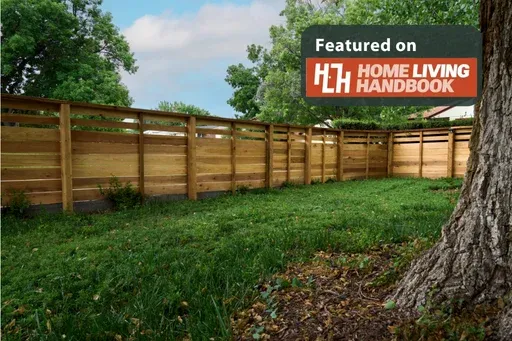
The area between a house and driveway can have an important effect on how a property feels and functions. Vehicles, pedestrians, landscaping, garage access, and backyard activity can all converge in this space. In Holland, MI, thoughtful privacy fencing can help organize these different elements while creating a smoother visual transition from the home toward the driveway. Homeowners planning a project can explore the Top Rail Fence Holland page for locally focused fencing solutions and installation services from Top Rail Fence Holland.
Rather than treating the driveway as an isolated feature, a fence can connect it more naturally with the home's overall exterior design. A carefully positioned residential fence can create separation without making the driveway feel disconnected from the rest of the property. The result can be a more organized entrance, improved visual definition, and a stronger sense of privacy around frequently used areas.
Create a visual bridge between the house and driveway
The space surrounding a driveway can sometimes feel unfinished when there is no clear distinction between different areas of the property. Privacy fencing can introduce a deliberate transition that gives the exterior a more structured appearance.
Define where residential space begins
A driveway has a practical purpose, but it does not necessarily need to dominate the view from the house. A strategically placed fence can establish a visual boundary between vehicle access and spaces intended for relaxation, recreation, or landscaping.
This can make the backyard or side yard feel more separated from daily vehicle movement. Instead of seeing the driveway as an extension of every outdoor area, the fence creates a point where one function gives way to another.
Coordinate fencing with existing exterior features
The transition will look more natural when the fence works with features already present around the home. Walkways, garage doors, retaining walls, garden beds, patios, and exterior finishes can all influence where a fence should be positioned.
A coordinated privacy fencing design can follow the property's existing lines rather than appearing like an afterthought. This can help the fence become part of the home's exterior composition.
Use privacy fencing to manage driveway visibility
Driveways naturally experience more movement than quieter sections of a property. Vehicles arrive and leave, visitors approach the home, and deliveries may pass through throughout the day.
Reduce direct views into private areas
A solid privacy fencing solution can limit views between the driveway and portions of the yard that homeowners would prefer to keep secluded. This can be useful when a patio, garden, pool area, or seating space is positioned close to the driveway.
The fence does not need to block the entire property. A carefully selected section can provide privacy exactly where it is needed while allowing other areas to remain open.
Give the entrance a calmer appearance
A driveway can sometimes create a visually busy first impression because of parked vehicles, garage doors, trash containers, or equipment. Fencing can help screen some of these elements from direct view.
When paired with landscaping, a residential fence can make the approach to the home feel more intentional. Plants positioned alongside the fence can further soften the transition between hard surfaces and living areas.
Design the boundary around movement
A fence should support the way people actually move around the property. This is particularly important when the driveway connects directly with a garage, front entrance, side gate, or backyard.
Keep pedestrian routes easy to follow
A fence can help distinguish walking routes from areas used by vehicles. When gates and pathways are positioned thoughtfully, visitors can move from the driveway toward the house without crossing unnecessarily through private outdoor areas.
This creates a clearer relationship between vehicle access and pedestrian movement. The goal is not to create a complicated enclosure, but to make the property's different routes easier to understand.
Plan gate locations before installation
Gate placement should be considered before privacy fence installation begins. A gate located too far from the natural approach can make the space inconvenient, while an opening placed directly in a high-traffic vehicle area may interfere with movement.
The width and direction of the gate should also reflect what needs to pass through it. Gardening equipment, outdoor furniture, bicycles, and other large items may require more access than a simple pedestrian route.
Separate practical areas without sacrificing curb appeal
The driveway often needs to accommodate items that are necessary but not especially attractive. A fence can provide a practical screening solution while contributing to the appearance of the property.
Screen equipment and service areas
Trash bins, storage equipment, lawn tools, and other household items may need to remain close to the driveway for convenience. Privacy fencing can help position these necessities out of the primary view from the house or street.
Creating a dedicated screened section can make these items easier to access without allowing them to become prominent visual features.
Create a smoother connection with landscaping
Plants can be used alongside fencing to make the transition between driveway surfaces and the home feel less abrupt. Shrubs, ornamental grasses, flowering plants, or small trees can add texture around the fence line.
This combination can make a residential fence feel integrated with the landscape instead of functioning as a standalone barrier.
Consider how the fence changes the property's proportions
The height and placement of privacy fencing can influence how large or enclosed the driveway and surrounding yard appear.
Avoid making narrow spaces feel confined
If a driveway is already narrow, placing a tall fence too close to it may make the area feel more enclosed. A professional design should account for the available width and the relationship between the fence, vehicles, walkways, and structures.
Spacing can make a significant difference. In some layouts, positioning the fence farther from the driveway and incorporating landscaping can create a softer visual transition.
Use height where privacy matters most
Not every section needs the same degree of screening. A taller portion may be useful beside a patio or living area, while a lower or more open treatment could work closer to the driveway entrance.
This selective approach allows privacy fencing to provide meaningful separation without unnecessarily enclosing the entire property.
According to the fence planning guidance from This Old House, factors such as fence placement, height, materials, property boundaries, and the surrounding landscape should be considered when planning a new fence. These considerations are especially relevant when privacy fencing is being used to create a transition between a home and driveway, because the fence needs to provide separation while still supporting convenient access and maintaining the property's overall appearance.
Make fence installation part of the overall exterior plan
The success of this type of project depends heavily on execution. A fence that is poorly aligned with the home's existing features can make the transition between the driveway and residence feel awkward.
Account for grades and property features
Changes in elevation, landscaping, drainage patterns, and existing structures can all affect the fence line. These conditions should be evaluated before fence installation begins.
Professional planning can help determine where posts, panels, and gates should be positioned so the finished fence follows the property's natural characteristics.
Think about long-term access
A driveway and surrounding yard may change as the property evolves. Future landscaping, additional storage, new outdoor furniture, or changes to vehicle access can affect how useful the fence remains.
For that reason, privacy fence installation should account for more than the immediate appearance. The layout should provide enough flexibility for the property to remain functional over time.
For homeowners considering materials and styles that can support this type of exterior transition, the privacy fencing options available through Top Rail Fence Holland can provide a useful reference when deciding how much separation and screening the property requires.
Give the driveway a more intentional role
A driveway does not have to compete visually with the rest of the property. With thoughtful privacy fencing, it can become a clearly defined part of the home's exterior layout while private spaces remain visually protected.
The right fence can create separation between vehicles and outdoor living areas, guide pedestrian movement, screen practical items, and complement existing landscaping. These benefits make fencing useful for more than marking a property line.
For Holland, MI homeowners, Top Rail Fence Holland can help develop a fencing approach that reflects the home's layout, driveway position, access needs, and privacy goals. A carefully planned residential fence can create a more comfortable relationship between the house and driveway while contributing to the property's overall appearance.
When you're ready to discuss your project, the Contact Us page provides a direct way to connect with the team. Top Rail Fence Holland can help you evaluate how privacy fencing can be incorporated into the space to create a defined, functional, and visually comfortable transition between your home and driveway.