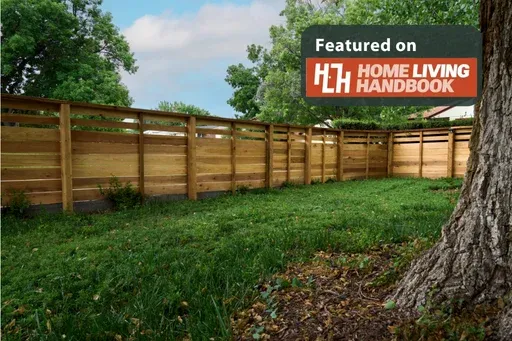
In many Holland neighborhoods, backyard design is not just about boundaries but about how space moves. Where a fence begins and ends can change how people walk, gather, and even relax outdoors. That is why planning privacy fence installation early in the design process matters just as much as choosing materials.
Homeowners exploring layout options through the Holland service area page can better understand how thoughtful fence installation decisions influence the way outdoor spaces function day to day.
With support from Top Rail Fence Holland, many homeowners are now treating residential fencing as a design tool that shapes flow rather than just a perimeter marker.
Backyard flow starts at the boundary, not the patio
Outdoor movement patterns are usually decided before furniture or landscaping is added. The first major influence is where the fence is placed and how it guides entry and exit points.
Entry points define how space is experienced
A well-planned privacy fence installation controls how people enter and exit a yard. When gates are positioned naturally along walking paths, movement feels effortless instead of restricted.
Fence lines act like invisible pathways
Even though fence installation is a physical structure, it subtly guides how people move across lawns, patios, and garden areas without needing visible walkways.
Residential fencing shapes natural circulation
In modern residential fencing layouts, spacing and alignment determine whether a yard feels open or segmented. Poor placement can interrupt flow, while intentional placement enhances it.
Zoning outdoor space without closing it off
One of the biggest challenges in Holland properties is balancing privacy with openness. Good fencing design solves this by dividing space without making it feel boxed in.
Functional zones emerge from structure
A strategically placed privacy fence installation can separate dining areas, play zones, and garden spaces without adding physical clutter.
Fence installation influences visual continuity
When fence installation aligns with natural sightlines, the yard feels larger and more connected, even when divided into sections.
Residential fencing supports multi-use living
Many homeowners use residential fencing to create flexible outdoor layouts that adapt to gatherings, quiet time, and seasonal changes.
Movement flow changes with fence depth and offset
The distance between the fence and key living spaces plays a major role in how open or enclosed a yard feels.
Close placement creates intimate zones
When a privacy fence is installed closer to patios or seating areas, it creates a cozy, enclosed feeling ideal for private relaxation.
Offset placement increases openness
Pulling the fence installation slightly outward expands usable visual space, making smaller yards feel more open and breathable.
Fence company planning improves spacing decisions
An experienced fence company helps determine spacing that supports both privacy and movement, avoiding layouts that feel too tight or too scattered.
Design consistency affects how people move subconsciously
People naturally follow visual cues in outdoor environments. Fence design plays a big role in creating those cues.
Straight lines encourage directional movement
A clean privacy fence installation layout encourages predictable movement paths, helping organize how people interact with the space.
Broken sightlines slow down movement
When residential fencing includes intentional breaks or transitions, it naturally slows movement and creates resting points in the yard.
Balanced layouts improve usability
Well-planned fence installation ensures that no part of the yard feels disconnected or underused.
Material and structure stability support long-term flow
Outdoor movement patterns only work if the fence structure remains stable over time.
Consistent alignment preserves layout design
A properly executed privacy fence installation ensures that gates and panels stay aligned, keeping movement patterns intact year after year.
Structural integrity prevents disruption
Weak or shifting fence installation can distort pathways, forcing homeowners to adjust how they use their space.
Professional guidance ensures reliability
Working with a trusted fence company helps ensure that both structural strength and layout design remain consistent long-term.
Good outdoor layout planning often follows broader residential construction and design principles. According to the National Association of Home Builders, well-structured exterior environments improve both usability and long-term property value when spatial planning and construction quality work together.
How Top Rail Fence Holland approaches backyard flow
In Holland, yard sizes and shapes vary widely, which means there is no single fencing layout that fits every property. Instead, Top Rail Fence Holland focuses on how privacy fence installation interacts with movement patterns, sightlines, and functional zones.
Their approach to residential fencing prioritizes real-life usability, ensuring that each section of the yard feels intentional rather than divided randomly.
Additionally, Top Rail Fence Holland works closely with homeowners during fence installation planning to make sure gates, corners, and transitions support natural movement instead of restricting it.
Designing outdoor flow that adapts over time
Backyards are not static spaces. They evolve as families change how they use them. That is why thoughtful privacy fence installation is less about fixed boundaries and more about creating an adaptable structure.
When fence installation is done with movement in mind, it improves comfort, usability, and long-term satisfaction with the space.
For homeowners ready to improve their outdoor layout, visit the Contact Us page and connect with Top Rail Fence Holland to begin planning a more functional and visually balanced yard.