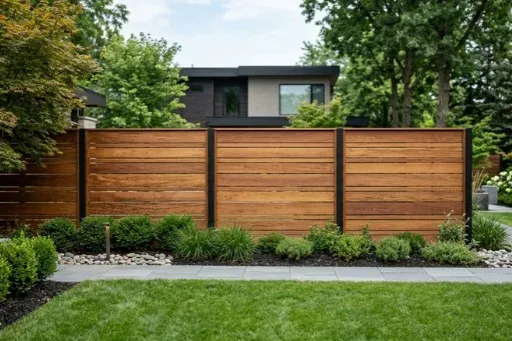
A well-built fence is defined by more than the amount of privacy it provides. Straight lines, secure posts, consistent spacing, properly fitted gates, and a finish that complements the property all influence how the completed boundary looks and performs. In Holland, MI, these details matter when a fence needs to offer everyday seclusion while remaining attractive and practical through changing seasons. Planning your project with Top Rail Fence Holland can help you evaluate the details that distinguish quality privacy fencing from a fence that simply encloses the yard.
Look beyond the panels when judging craftsmanship
Fence panels are the most noticeable part of a finished installation, but their appearance depends on the supporting structure and the accuracy of the work behind them. Even attractive materials can produce a disappointing result if the posts, connections, and panel alignment are poorly executed.
Check the stability of posts and connections
Posts carry much of the fence's structural load. Their placement, depth, alignment, and suitability for the ground conditions affect how securely the fence stands. Loose posts can lead to leaning sections, uneven panels, and gates that become difficult to operate.
A careful privacy fence installation begins with an assessment of the site, including soil conditions, elevation changes, and the fence design. Post spacing should suit the selected materials and panel dimensions rather than being estimated without reference to the construction plan.
Connections deserve equal attention. Rails should attach securely, fasteners should suit the materials, and joints should be assembled consistently. These details might be less noticeable than the finished panels, but they contribute to the overall strength and longevity of privacy fencing.
Examine panel alignment and spacing
A professional-looking fence generally follows a consistent line, with panels and posts arranged in a deliberate pattern. Noticeable gaps, uneven heights, or irregular spacing can make an otherwise suitable design look unfinished.
Walk along the proposed fence line and consider how the panels will appear from several viewpoints. A straight boundary should look orderly from the yard, while corners and changes in direction should connect cleanly. On sloped ground, the installation method should be chosen to suit the terrain and the intended appearance.
Judge the layout by how well it serves the property
The right privacy fencing layout responds to the shape of the yard instead of forcing every section into a design that ignores existing conditions. Placement influences privacy, circulation, landscaping, and the amount of usable outdoor space left after construction.
Follow the property's actual boundaries
Before digging begins, confirm where the fence is permitted to sit. Existing walls, hedges, old fencing, and assumptions about boundary lines are not always reliable indicators of the legal property line.
A measured site plan can show the intended alignment, corners, gate openings, and any areas where the layout needs adjustment. It also gives the installer a reference for maintaining consistent spacing and avoiding unexpected changes during construction.
Where boundaries are uncertain, seek appropriate confirmation before proceeding. Resolving the issue early is easier than moving posts after the fence has been installed.
Make transitions between sections look intentional
A yard may have a level rear boundary, a sloped side section, and a narrow passage beside the house. Each area can require a different installation approach, but the completed fence should still look cohesive.
For example, stepped panels may suit some slopes, while a design that follows the ground may be more appropriate in other circumstances. The decision should account for the fence material, the degree of the slope, the desired bottom clearance, and the appearance from both sides.
Good fence installation also considers how corners meet and how the fence terminates against existing structures. Clean transitions help the entire boundary look planned rather than assembled one section at a time.
Inspect the finishing details that shape the final result
Finishing work often separates a carefully completed privacy fence installation from one that looks rushed. Small inconsistencies can stand out across a long fence line, especially when the structure is visible from a patio, neighboring yard, or street.
Look for clean cuts and consistent edges
Exposed board ends, uneven panel tops, and rough cuts can affect the finished appearance. Where the design includes decorative tops or shaped boards, the details should look consistent from one section to the next.
The same applies to the fence's overall height. If the ground changes elevation, the top line should follow the chosen design intentionally rather than creating accidental dips or abrupt changes. Consistent proportions give privacy fencing a more polished appearance.
Review fasteners, caps, and exposed hardware
Fasteners should be appropriate for the fence material and exterior conditions. Poorly placed screws, protruding nails, and mismatched hardware can detract from the appearance and may create maintenance concerns.
Post caps and other finishing pieces should fit securely and complement the fence style. For wood fencing, cut ends and exposed surfaces may also require suitable treatment according to the material and finish specifications. These details help protect vulnerable areas while giving the fence a more complete appearance.
Make sure the gates match the quality of the fence
Gates are moving components, so their performance is an important test of workmanship. A well-fitted gate should open and close smoothly, align with the adjacent panels, and latch reliably without dragging across the ground.
Gate posts must support the additional demands created by repeated movement. Adequate clearance is also important where the ground slopes or the surface may change with seasonal conditions. During the final review, test every gate several times and check that its hardware operates as intended.
Compare materials, workmanship, and long-term care
A fence can look excellent when newly installed, but its value also depends on how well its materials suit the property and how easily it can be maintained. Material selection should reflect the desired appearance, expected upkeep, budget, and exposure to outdoor conditions.
Match the material to the maintenance commitment
Wood can provide a natural, traditional appearance and a range of design possibilities. Depending on the product and finish, it may need periodic cleaning, sealing, staining, or repairs. Vinyl can provide a consistent finished look with relatively straightforward cleaning, while other available materials may offer different combinations of privacy, durability, and upkeep.
There is no single material that is right for every yard. Compare specifications and maintenance expectations before making a decision. You can review available fencing products to explore styles and materials that may suit your project.
Consider how the fence will be inspected over time
Even quality privacy fencing benefits from routine inspection. Check for leaning posts, loose hardware, damaged panels, and changes in gate alignment, particularly after severe weather. Keeping vegetation from pressing against the fence and addressing small problems early can help preserve its appearance and function.
For additional planning considerations, Penn State Extension's fencing guidance explains why a fence's purpose, landscape, access points, and ongoing maintenance should be considered together. Although its guidance focuses on agricultural fencing, these planning principles also illustrate why site conditions and practical use matter when developing a fence layout.
Choose an installer who explains the details
A dependable fence company should be prepared to discuss more than the material price. The proposed plan should make clear where the fence will run, how gates will be positioned, what installation approach suits the terrain, and which finishing details are included.
Ask how the work will be checked
Before approving a proposal, ask how the installer will verify alignment, address sloped ground, secure posts, and confirm that gates operate properly. Clarify how the team will handle unexpected site conditions and whether cleanup is included.
A clear scope of work makes it easier to compare estimates fairly. The lowest initial price may not represent the best value if important preparation or finishing work is excluded. Look for a plan that explains the work and sets realistic expectations for the completed fence.
Review the finished work before signing off
Once construction is complete, walk the entire boundary with the installer. Check the line of the panels, the stability of the posts, the appearance of corners, and the operation of every gate. Discuss any uneven sections, loose components, or unfinished areas before considering the project complete.
For homeowners in Holland, MI, these checks help ensure that fence installation delivers the intended combination of screening, structural reliability, and visual consistency.
Build privacy into every stage of the project
Quality privacy fencing comes from a series of considered decisions, from measuring the boundary and choosing suitable materials to setting posts accurately and inspecting the final finish. Consistent panel alignment, secure connections, well-fitted gates, and a layout that suits the property all contribute to a fence that looks intentional and functions as expected. Top Rail Fence Holland can help you assess these considerations and plan a privacy fence installation around your property's requirements. To discuss your project and explore the next steps, visit the Contact Us page.