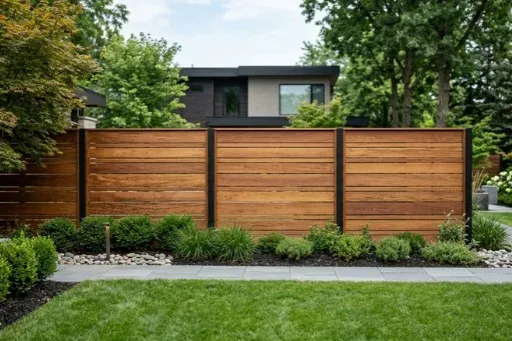
A well-installed vinyl fence should look consistent from one end of the property to the other, stand securely through changing weather, and operate properly at gates and corners. In Holland, MI, choosing the right installer means looking beyond the initial quote to understand how the fence will be measured, assembled, secured, and finished. By working with Top Rail Fence Holland, property owners can discuss the details that matter during vinyl fence installation, from preparing the site to checking the completed structure.
Read the fence line before judging the materials
A quality vinyl fence installation starts with accurate planning. Even well-made panels can look uneven if the installer overlooks the property's boundaries, ground conditions, or changes in elevation. Before construction begins, the proposed fence line should be reviewed as a complete layout rather than a series of individual sections.
Check measurements and corner positions
Measurements determine where posts, panels, and gates will sit. If the spacing is inaccurate, the final section may require an awkward adjustment or leave an inconsistent gap near a corner.
A careful installer should map the perimeter, identify direction changes, and confirm gate openings before digging post holes. This preparation helps keep panel widths consistent and reduces the likelihood of improvised cuts during assembly.
Ask how the proposed layout accounts for property boundaries, existing structures, and access points. Confirming these details before work begins can prevent expensive corrections later.
Examine how the fence follows the ground
Yards are not always level, and the ground can rise or fall along a boundary. The installation approach should suit the slope and the specific vinyl fencing system.
Depending on the product, sections may be stepped to follow changes in elevation or arranged to accommodate the grade more closely. Each approach affects the appearance of the bottom edge, the relationship between adjacent panels, and the amount of clearance beneath the fence.
During vinyl fence installation, these decisions should be made deliberately. A clear plan helps avoid abrupt height changes, inconsistent gaps, and sections that appear out of line when viewed across the yard.
Assess the support system behind each panel
Vinyl panels are only one part of the finished fence. The posts, brackets, rails, and connections work together to keep the structure aligned and stable. Because vinyl systems vary by manufacturer and design, the installation should follow the product's specific requirements rather than a generic method.
Verify post placement and stability
Posts need suitable support for the ground conditions, fence height, and panel design. Incorrect spacing or inadequate setting can allow sections to shift, lean, or place unnecessary stress on their connections.
Before installation, ask how post locations will be measured and how the installer will determine the appropriate setting method. Soil conditions, nearby hard surfaces, drainage, and local requirements may influence preparation.
Once the fence is assembled, inspect the line for leaning posts and inconsistent spacing. A completed fence should appear orderly, with each section supported as intended by the selected system.
Look closely at rails and panel connections
Rails should fit properly into their intended connections, and panels should sit securely within the system. Loose brackets, poorly seated components, or visible gaps between connected parts can indicate that assembly needs attention.
Not every vinyl fence uses identical fasteners or connection details, so the correct reference is the manufacturer's installation guidance. A knowledgeable installer should be able to explain how the components fit together and what checks are performed before the work is considered complete.
These structural details are important because vinyl fence installation should deliver more than an attractive first impression. Correct assembly helps the fence perform as designed over time.
Understand how vinyl responds to seasonal conditions
A vinyl fence is designed for outdoor use, but its performance depends on correct assembly and suitable installation conditions. Temperature changes, moisture, ground movement, and exposure to wind can all affect how a fence behaves over time.
Allow for normal expansion and contraction
Vinyl components can expand in warmer conditions and contract as temperatures fall. The installation must allow the system to accommodate this movement according to the manufacturer's specifications.
Rails that are fitted too tightly or components that are forced into place may develop stress or distortion. A qualified installer should know the requirements of the chosen product and avoid making connections that prevent the intended movement.
The ASTM standard for rigid PVC fence installation outlines installation considerations for posts, rails, sections, caps, and gates. Reviewing relevant product instructions and applicable standards can help you ask more informed questions when comparing installers.
Consider drainage and ground preparation
Water that collects around posts can contribute to ground instability, while uneven or poorly prepared surfaces can affect the bottom edge of the fence. The site should be assessed for drainage patterns and changes in elevation before the layout is finalized.
In Holland, MI, it is also important to account for seasonal freezing and thawing when determining appropriate post support. The installation method should reflect local conditions, manufacturer guidance, and applicable requirements rather than relying on a single approach for every property.
Inspect the finishing work before approving the project
Finishing details have a noticeable effect on the overall appearance of vinyl fence installation. Post caps should sit properly, panel tops should follow the intended line, and exposed components should look consistent throughout the perimeter.
Review gates, corners, and end sections
Corners and end posts deserve close attention because they are natural points where alignment problems become visible. Check that connected sections meet cleanly and that caps and other finishing pieces fit securely.
Open and close each gate several times. It should move freely without dragging, twisting, or striking adjacent panels. The latch should engage properly, and the surrounding posts should remain aligned during operation.
Compare the completed work with the original plan
Walk the fence line with the installer and check it against the agreed layout. Look for uneven panel spacing, leaning posts, loose connections, damaged vinyl, and unfinished areas. Ask questions about anything that differs from the plan before signing off on the work.
A reliable fence company should be willing to explain the installation process, discuss any adjustments, and clarify maintenance recommendations. Top Rail Fence Holland can help you evaluate the practical details of your project so you can make an informed decision about the materials, layout, and workmanship involved.
Choose installation quality over a quick finish
A dependable vinyl fence installation combines accurate measurements, stable posts, properly assembled panels, and clean finishing details. Evaluating these elements before choosing an installer helps you look beyond appearance and consider how the finished fence is expected to perform. For property owners in Holland, MI, taking time to compare the installation plan, product requirements, and proposed workmanship can make the selection process more straightforward. To discuss your project with Top Rail Fence Holland, visit Contact Us and explore the options for a well-planned vinyl fence.