Designing a fence for a split-level property requires more than following the property's perimeter. Changes in elevation create opportunities to build outdoor spaces with character, but they also introduce challenges that flat lots rarely present. A carefully planned wood fence can visually unite multiple elevations while improving privacy, safety, and curb appeal. Instead of making each level feel separate, the right wood fence layout creates a smooth transition from one outdoor space to the next. With guidance from Top Rail Fence Holland, property owners can transform uneven landscapes into cohesive outdoor environments that feel intentional from every angle.
Turning changing elevations into a design advantage
Split-level yards naturally divide outdoor living areas. Rather than fighting these elevation changes, a thoughtfully designed wood fence can embrace them.
Connecting upper and lower spaces
A continuous wood fence layout helps establish visual flow between elevated patios, sloped gardens, and lower recreational areas. Even when the ground changes height, consistent fence lines and complementary materials create the appearance of one unified landscape.
Reducing visual interruptions
Large elevation changes can make a backyard appear disconnected. Strategic fence placement softens these transitions by following the contours of the land instead of creating abrupt breaks that interrupt the property's natural rhythm.
Choosing layouts that follow the terrain
Every split-level property has its own unique shape, making customized planning an important part of successful wood fence installation.
Stepped fence layouts
Stepped fencing follows the slope using evenly spaced horizontal sections. This approach maintains consistent panel alignment while adapting to changing elevations. It works especially well on properties with moderate slopes where clean architectural lines complement the home's design.
Racked fence layouts
On gradual slopes, racked fencing allows fence panels to follow the angle of the ground while maintaining consistent spacing between pickets. This creates a smoother appearance and minimizes gaps beneath the fence.
Combining multiple approaches
Some landscapes benefit from blending stepped and racked sections into one wood fence layout. This flexibility allows each area of the property to receive the most appropriate design while maintaining a cohesive overall appearance.
Midway through planning, exploring wood fencing solutions can help visualize how different layouts adapt to changing elevations.
Creating natural movement throughout the yard
A well-designed wood fence should encourage movement rather than restrict it.
Aligning gates with elevation changes
Gate placement becomes especially important on split-level properties. Positioning entrances near staircases, retaining walls, or gently sloped walkways creates smoother transitions between outdoor living areas while improving accessibility.
Guiding visitors through outdoor spaces
Instead of feeling divided into separate sections, each level of the yard can naturally lead into the next. The wood fence layout works alongside pathways and landscaping to create a comfortable walking experience.
Framing scenic views
Split-level properties often provide attractive viewpoints overlooking gardens, patios, or surrounding landscapes. Proper fence placement preserves these sightlines while still delivering the privacy expected from a quality wood fence.
Selecting wood fence styles for uneven landscapes
Not every design performs the same on sloped terrain. Choosing the right wood fence styles helps both appearance and functionality.
Privacy panels for elevated patios
Upper-level outdoor living areas often benefit from taller privacy fencing that creates a secluded atmosphere for relaxing or entertaining without sacrificing the openness of lower sections.
Decorative picket designs
Picket-style wood fence styles maintain visibility across different elevations while adding traditional charm. These designs work well near front yards, gardens, and landscaped pathways.
Horizontal fencing for modern homes
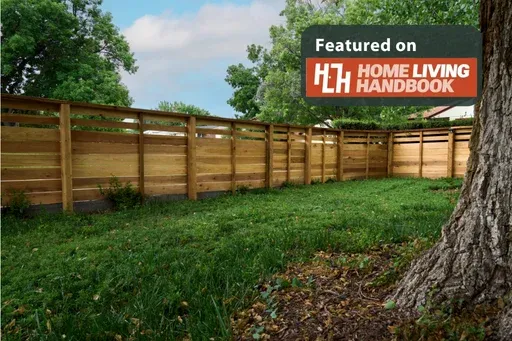
Horizontal boards emphasize the width of outdoor spaces, helping visually connect separate levels. This contemporary design creates clean lines that complement modern architecture while making the yard appear larger.
Balancing appearance with structural performance
Successful wood fence installation on sloped properties depends on more than aesthetics.
Proper post placement
Elevation changes place different stresses on fence sections. Professional installation ensures posts are positioned and secured according to the property's terrain, helping maintain long-term stability.
Drainage considerations
Water naturally moves downhill during heavy rainfall. Fence layouts should account for drainage patterns to reduce moisture buildup around posts and preserve the integrity of the wood fence over time.
Accommodating retaining walls
Many split-level properties include retaining walls that influence fence placement. Integrating fencing with these structures requires careful planning to maintain structural integrity while creating a seamless appearance.
According to the Penn State Extension's landscaping guidance, designing landscapes around natural topography improves functionality while reducing long-term maintenance challenges.
Making every outdoor level feel connected
Thoughtful design extends beyond the fence itself.
Coordinating landscaping with fencing
Trees, shrubs, ornamental grasses, and flower beds soften transitions between fence sections while helping different elevations feel like part of one complete landscape.
Using consistent materials
Choosing matching finishes throughout the entire wood fence layout creates visual continuity, even when the property includes multiple elevations and outdoor living spaces.
Planning for future additions
Split-level backyards frequently evolve with decks, pergolas, gardens, or outdoor kitchens. Flexible wood fence styles allow these future improvements to integrate naturally without requiring major fence modifications.
Throughout the design process, Top Rail Fence Holland works with property owners to develop customized solutions that complement the unique characteristics of sloped landscapes.
Bringing lasting value to challenging landscapes
Uneven terrain does not have to limit outdoor design possibilities. In many cases, elevation changes create opportunities for more dynamic and visually interesting landscapes when supported by the right wood fence layout. Careful planning allows fencing to connect multiple outdoor rooms while preserving functionality, beauty, and structural reliability.
Professional wood fence installation also helps maximize usable space by reducing awkward transitions and improving movement between different elevations. Combined with durable materials and thoughtfully selected wood fence styles, the finished project enhances both daily enjoyment and long-term property value.
Whether you're upgrading an existing fence or designing a new one for a split-level property, Top Rail Fence Holland can help create a customized solution tailored to your landscape. Visit the Contact Us page to discuss your project and discover how the right wood fence can bring every level of your Holland property together naturally.