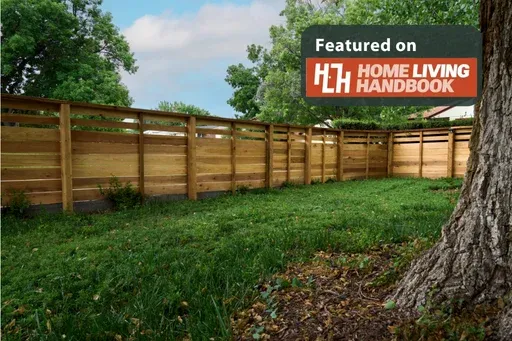
A well-planned wood fence installation begins as a clear structural feature, but over time, it evolves into something more subtle and integrated. In Holland, homeowners often notice how their fencing gradually blends into the surrounding environment, becoming a natural backdrop rather than a dominant element. This transformation is one of the reasons many turn to Top Rail Fence Holland to explore how wood fencing can enhance both structure and landscape.
Unlike other types of fences, wood offers a unique ability to age gracefully. It shifts in tone, texture, and presence, allowing it to complement the natural elements around it.
From a defined boundary to a subtle landscape feature
At the beginning, a wood fence installation creates a strong visual boundary. It frames the yard and establishes clear edges. Over time, however, this same structure softens visually and becomes part of the overall outdoor design.
Blending with the surrounding greenery
As plants, shrubs, and trees grow, a wood fence begins to merge with the landscape. The natural tones of the wood work in harmony with greenery, making the fence feel less like a barrier and more like a backdrop.
Reducing visual dominance over time
Freshly installed fences often stand out due to their clean lines and uniform color. As the material weathers, the fence becomes less visually prominent, allowing other outdoor features to take center stage.
Supporting a cohesive outdoor aesthetic
Among the many types of fences, wood is especially effective at creating a unified look. Its organic appearance helps tie together patios, gardens, and architectural elements across properties in Holland.
The role of design in long-term visual transformation
The way a fence is designed plays a major role in how it evolves visually. Thoughtful planning during wood fence installation ensures that the fence transitions smoothly from structure to backdrop.
Choosing patterns that age gracefully
Certain wood fence designs are better suited for long-term visual integration. Horizontal panels, board-on-board styles, and spaced pickets all offer different ways to balance structure with openness.
Selecting finishes that enhance natural aging
Stains and sealants influence how a wood fence changes over time. Some homeowners prefer finishes that highlight the natural grain, while others choose tones that gradually fade into the environment.
Incorporating privacy without heaviness
A wood privacy fence can still feel light and natural when designed correctly. By balancing height, spacing, and material choice, homeowners can achieve privacy without overwhelming the space.
Environmental factors that shape wood fencing over time
Nature plays a significant role in how a wood fence installation evolves. In Holland, seasonal changes contribute to the gradual transformation of fencing materials.
Sunlight and color variation
Exposure to sunlight causes subtle shifts in color, giving the fence a softer and more weathered appearance. This process helps the fence blend into its surroundings.
Moisture and texture changes
Rain and humidity can slightly alter the texture of a wood fence, adding character and depth. A properly treated surface ensures that these changes enhance rather than damage the structure.
Seasonal cycles and natural integration
Over time, the combination of sunlight, moisture, and temperature changes allows the fence to fully integrate into the landscape. This natural progression is one of the defining features of wood fencing.
For more inspiration on integrating natural materials into outdoor spaces, homeowners can explore this guide on fence design ideas.
Customization choices that influence long-term appearance
The initial decisions made during wood fence installation have a lasting impact on how the fence evolves.
Material selection for visual longevity
Different wood types age differently. Cedar, for example, develops a soft gray patina, while treated pine maintains a more consistent tone with proper care.
Coordinating with landscaping plans
A wood privacy fence can be designed to complement future landscaping projects. Many homeowners align their fencing with garden layouts to ensure a seamless transition over time. Exploring options like wood fence installation services can help achieve this balance.
Integrating decorative elements
Post caps, trim details, and mixed textures can enhance the visual appeal of wood fence designs while still allowing the fence to fade naturally into the background.
Why professional installation supports natural evolution
The success of this transformation depends heavily on how the fence is installed. Working with Top Rail Fence Holland ensures that your wood fence installation is built to adapt to environmental changes while maintaining structural integrity.
Professional installers understand how to position panels, secure posts, and prepare materials so that the fence ages evenly. This attention to detail allows the fence to transition smoothly from a prominent feature to a subtle backdrop.
Choosing experienced professionals also ensures that your fence aligns with the unique environmental conditions in Holland, supporting both durability and aesthetic appeal.
A fencing solution that evolves with your landscape
A wood fence is not a static structure. It changes, adapts, and becomes part of the natural environment over time. For homeowners in Holland, this gradual transformation is one of the most appealing aspects of choosing wood over other types of fences.
With the right wood fence installation, your fence can begin as a defining feature and eventually become a seamless part of your outdoor space. Supported by the expertise of Top Rail Fence Holland, this evolution creates a balanced and visually appealing environment that grows more refined each year.
If you are ready to start your project or explore design options, visit the Contact Us page to connect with a team that can guide you through every step.