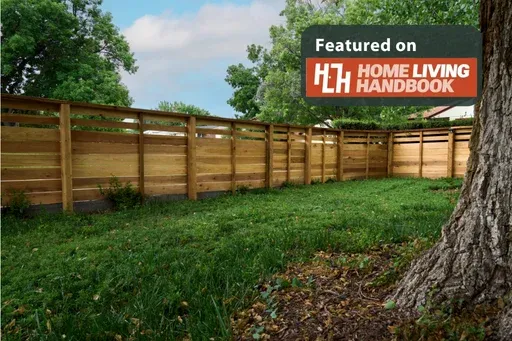
A backyard can support several activities without needing to feel crowded or disorganized. A lawn may provide space for children to play, a sunny corner can support a vegetable garden, and another section can accommodate outdoor seating, sports, or recreational equipment. In Huntington, a carefully positioned chain fence can help establish boundaries between these uses while preserving the open character that makes a backyard inviting. Homeowners can work with Top Rail Fence Huntington to develop a layout that considers movement, visibility, access, and the way each outdoor area will be used.
Giving each backyard activity a defined place
When several activities share the same lawn, one area can easily interfere with another. A ball rolling into a garden bed, bicycles crossing a planting area, or children moving through an outdoor seating space can make the yard feel less functional.
A strategically planned chain fence can create visual and physical divisions without necessarily turning the backyard into a collection of closed-off spaces. Its open structure allows different zones to remain connected while giving each one a recognizable boundary.
This makes fencing useful for more than perimeter security. It can become part of the backyard's overall organization.
Creating a layout around how the yard is used
Start by considering what happens in the backyard during a typical week. Identify where children play, where gardening takes place, where people gather, and where recreational equipment is stored.
The answers can determine where individual sections should sit. For example, a play lawn may need to remain open and centrally located, while a garden can occupy a quieter edge of the property.
The fence lines should support these activities rather than force them into inconvenient locations.
Building a safer boundary around play areas
Children need room to move, run, and explore, but a backyard can contain features that are not ideal for unrestricted play. Gardens, tool storage areas, pools, sheds, or delicate landscaping may benefit from separation.
A chain fence can establish a boundary while maintaining visibility across the yard. Parents and caregivers can still see into the enclosed area instead of dealing with a completely opaque barrier.
Gate placement also matters. An entrance should be easy to identify and convenient to operate, while its location should avoid creating unnecessary obstacles along common walking routes.
Keeping play space open for movement
A play area should not be designed so tightly that fencing restricts normal movement. Leave enough room for children to run and for adults to supervise comfortably.
If the space will accommodate play equipment, account for swings, slides, climbing structures, or other features before finalizing the fence line. The placement of posts and gates should not interfere with these areas.
A professional fence installation can help translate these practical considerations into a layout that works with the existing dimensions of the backyard.
Separating gardens without isolating them
Gardens often need protection from foot traffic. Raised beds, young plants, flowers, and vegetables can be damaged when recreational activities spill into planting areas.
Using a chain fence around a garden creates a recognizable boundary without completely hiding the plants. The open mesh can allow the garden to remain part of the backyard landscape while discouraging unnecessary traffic through cultivated areas.
Garden planning should also account for sunlight, water access, paths, and room for future expansion. Cornell Garden-Based Learning recommends considering factors such as full sun, water access, storage, pathways, and space for future improvements when planning a garden site.
Making gardening easier to maintain
A garden enclosure should leave enough room to move watering cans, hoses, wheelbarrows, soil, and other supplies.
Consider where the gate should sit in relation to the home's exterior doors, shed, garage, or other storage areas. If gardening equipment must travel across the entire backyard to reach the planting area, even a well-designed garden enclosure can become inconvenient.
Planning the route before chain link fence installation helps ensure the finished space supports regular gardening instead of making it more difficult.
Designing a recreation zone that feels connected
Recreation areas can include everything from outdoor games to a seating area, basketball practice space, or a place for family gatherings. These activities often require more open space than a garden or storage area.
A chain fence can define the recreation zone while allowing it to remain visually connected to neighboring sections. This can be particularly useful when homeowners want different functions within the same backyard without constructing solid walls between them.
The fence can also help establish where recreational equipment belongs. Bicycles, sports equipment, outdoor toys, and similar items can be kept within a designated zone rather than scattered throughout the lawn.
Planning for changing backyard activities
Backyard needs can change as children grow, gardening interests develop, or recreational preferences evolve. A flexible layout can accommodate these changes more effectively than a highly specialized arrangement.
For example, a space initially used for children's play could eventually become a garden extension or outdoor lounge. Keeping the zoning adaptable gives the backyard greater long-term usefulness.
This is one reason the planning stage of fence installation deserves as much attention as the physical construction.
Using gates to connect separate outdoor zones
Dividing a backyard does not mean every section needs to function independently. Gates can provide controlled connections between zones while maintaining their individual purposes.
A garden gate might connect directly to a walkway, while another entrance could provide access to a recreation area. The number and location of gates should reflect how people actually move around the property.
Gate width is another consideration. A narrow opening may work for pedestrians, but a wider access point may be necessary if lawn equipment, gardening supplies, or larger recreational items need to pass through.
For homeowners considering the available configurations, chain link fencing solutions can help illustrate how an open fencing system can be incorporated into different backyard layouts.
Preserving visibility across the entire yard
One of the practical advantages of chain fence is the ability to establish boundaries without creating a completely blocked view.
That can be valuable when several backyard activities need to remain visually connected. Adults can monitor play areas, gardeners can keep an eye on planting beds, and guests can still see across the recreation space.
This open appearance can also help smaller yards feel less divided. Instead of creating multiple visually heavy barriers, chain fencing can provide organization while allowing the landscape to remain visible.
Coordinating fencing with landscaping
Fencing does not have to stand apart from the rest of the backyard. Landscaping can help integrate the different zones.
Shrubs, ornamental grasses, garden beds, pathways, and strategically placed trees can soften fence lines and reinforce the transitions between spaces. The goal is to make the boundaries feel intentional rather than abrupt.
Where appropriate, landscaping should remain far enough away from the fence to allow maintenance and prevent vegetation from interfering with gates or hardware.
Reviewing Huntington requirements before construction
Fence planning should include more than the desired layout. Local requirements can affect fence height, placement, and permitting.
For example, the Town of Huntington's current code states that fences over six feet in height generally require a building permit, with specific provisions applying to certain fence types and situations.
Before beginning chain link fence installation, confirm the requirements that apply to the specific property, including zoning, setbacks, easements, and any applicable neighborhood restrictions.
A professional fence company can help identify planning considerations early so that the proposed layout does not create avoidable complications later.
Making one backyard work for multiple purposes
The strongest backyard layouts do not necessarily dedicate the entire property to one activity. Instead, they use space strategically so different functions can coexist.
A chain fence can help create that structure by establishing boundaries around play areas, gardens, recreation zones, or equipment spaces. Because the fencing remains visually open, these sections can still feel like parts of one connected landscape.
For Huntington homeowners, the right arrangement should reflect the property's dimensions, daily routines, desired activities, access requirements, and plans for future use. A thoughtful chain link fence installation can help make the backyard easier to navigate while giving each area a clear purpose.
Top Rail Fence Huntington can assist with planning a fencing layout that balances separation with accessibility. From determining practical fence lines to considering gates and installation requirements, the right approach can turn an ordinary backyard into a collection of useful outdoor zones. To discuss your plans with a local fence company, visit the Contact Us page and explore how chain fence can help organize your Huntington backyard without making it feel closed in.