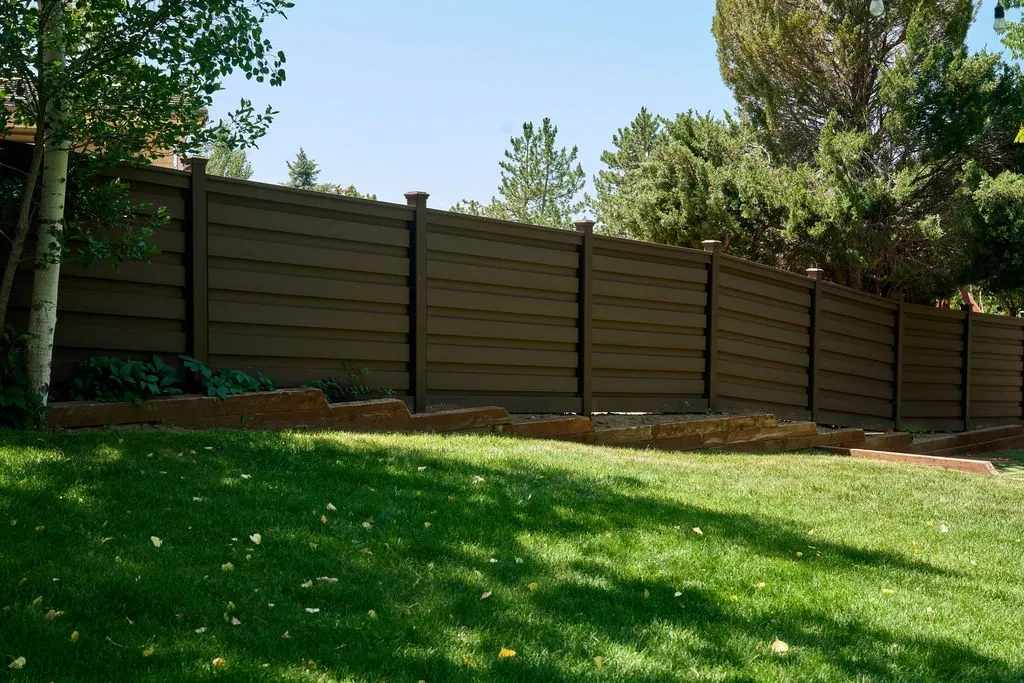
Preparing for hurricane season in Jacksonville means thinking beyond fence style and curb appeal. Proper fence installation requires planning that accounts for wind loads, soil behavior, drainage, and material selection. A fence built without hurricane-aware planning risks leaning, failure, and costly repairs when the next storm arrives.
This guide explains how to plan smart, choose the right fence materials, and use proven fence building practices so your investment stands up to severe weather with help from professionals like Top Rail Fence Jacksonville.
Start With Smart Fence Planning
Good outcomes start long before digging begins. Effective fence planning involves assessing exposure to wind, nearby structures that block or funnel storms, and the property’s drainage patterns. In hurricane-prone areas, a detailed plan sets anchor depths, post spacing, and reinforcement needs. Ignoring these elements increases the chance of post-pullout or panel damage during a major storm.
Local experience matters. Homeowners often consult the Jacksonville location page for area-specific guidance and to confirm local codes and HOA requirements before committing to a design.
Choose Materials That Withstand High Winds
Selecting the correct fence materials is vital. Some materials perform better in high winds and wet conditions.
Best Material Choices for Hurricane Zones
Metal fencing, such as galvanized steel or aluminum, offers strong resistance to wind pressure and maintains structural integrity when properly anchored. Metal requires less maintenance where storms regularly batter structures.
When Wood Works and When It Doesn’t
Wood can be reinforced for hurricane resistance, but it requires proper treatment, concrete footings, and hurricane brackets to protect posts. If you prefer wood, plan for deeper footings and more frequent inspections.
Vinyl and Composite Options
Vinyl can be durable and low maintenance, but installation techniques must prevent uplift and accommodate wind flow. Composite materials can offer a middle ground with good wind resistance and reduced maintenance.
Installation Techniques That Reduce Storm Damage
The way a fence is built is as important as what it is made from.
Deep, Professional Post Setting
Posts should be set deeper than standard to resist uplift. In many hurricane-prone neighborhoods, contractors use concrete footings sized for wind loads and soil conditions. This extra depth and volume provide a stronger anchor during severe gusts.
Reinforced Connections and Brackets
Reinforcing the post-to-rail connections with metal brackets and hurricane-grade fasteners prevents rail separation. These small upgrades dramatically improve overall resilience.
Wind-Aware Design Choices
A fully solid surface can act like a sail. Consider panel spacing, lattice sections, or strategic gaps to reduce wind force while maintaining privacy. A properly planned layout balances visibility with durability.
For trusted professional installation practices and estimates, homeowners can review the company’s approach on the fence installation services page.
Site Preparation and Drainage Protection
Your fence will perform better when the surrounding site is prepared correctly. Proper grading, trenching, and drainage divert water from footings. Standing water undermines posts and accelerates material degradation. A pre-installation site review identifies erosion risks and recommends drainage solutions that protect your investment.
Timing and Permits
Timing matters. Installations done well ahead of storm season allow footings to cure fully and give crews time to verify alignment and anchor security. Also, confirm permits and setback rules early. Local permitting can add time to the process, and missed permits may cause costly rework.
To begin a professional evaluation and get scheduled before peak season, reach out through the Contact Us page for assistance and timelines.
Why Local Expertise Pays Off
A one-size-fits-all approach fails in hurricane-prone regions. Local installers understand soil variability, wind corridors, and proven anchoring techniques that protect fences year after year. That local knowledge is one of the reasons homeowners rely on Top Rail Fence Jacksonville to plan and execute hurricane-ready projects. Their teams combine material knowledge and field-tested methods to ensure reliable results.
Working with local professionals means receiving better site-specific recommendations, making smarter fence building choices, and having a structure more likely to withstand storm events.
Final Checklist: Hurricane-Ready Fence Installation
Before you commit, confirm these items are in your plan: soil assessment and drainage, appropriate material selection, professional post setting with reinforced footings, upgraded connections, and verified permits. These steps reduce the risk of damage and the need for emergency repairs following severe weather.
If you need help designing a hurricane-resistant fence or obtaining a quote tailored to Jacksonville's specific conditions, contact the professionals who are familiar with the area. Homeowners who invest in proper fence installation planning get stronger results and greater peace of mind when storms approach. Top Rail Fence Jacksonville is ready to help with planning, materials, and expert installation.
For additional reading on storm preparations and building codes, this resource offers practical tips for homeowners: Hurricane preparedness for homeowners.