Homeowners often assume that salt-heavy coastal air only affects properties directly on the shoreline. In reality, Jacksonville’s coastal environment reaches far inland, subtly influencing how long metal fencing lasts across neighborhoods miles away from the beach. Understanding this invisible impact is essential when planning metal fence installation, especially for homeowners who want long-term durability without constant upkeep.
From airborne salt particles to humidity patterns and wind flow, coastal conditions interact with fence installation choices in ways that are not always obvious at first glance. This is why many property owners rely on experienced professionals familiar with metal fence installation in Jacksonville to plan for longevity rather than just appearance.
Coastal Air Travels Farther Than Most Homeowners Expect
Salt Particles Move Inland Through Wind Patterns
Even neighborhoods far from the ocean are exposed to microscopic salt particles carried by coastal breezes. These particles settle on metal fencing, accelerating surface wear over time.
Humidity Amplifies Corrosion Risks
Jacksonville’s high humidity allows salt residue to linger longer on metal surfaces. Moisture activates corrosion processes that reduce the lifespan of improperly protected fences.
Why Inland Metal Fences Still Experience Coastal Wear
Daily Condensation Creates Repeated Exposure
Morning dew repeatedly coats fence surfaces, reactivating salt deposits. Over the years, this cycle weakens protective coatings.
Storm Systems Push Coastal Air Deep Inland
Tropical systems and seasonal storms spread salty air across large portions of Jacksonville, affecting fences well beyond coastal zones.
Material Selection Matters More in Coastal Regions
Not All Metals Perform Equally
Some metals resist corrosion better than others. Aluminum and galvanized steel typically outperform untreated iron in coastal-adjacent environments.
Coatings Act as the First Line of Defense
Powder coating and galvanization slow oxidation, but only when applied correctly during metal fence installation.
Homeowners exploring long-term durability often compare metal fencing options designed specifically for humid, coastal climates.
Installation Techniques Influence Longevity
Proper Drainage Prevents Hidden Damage
Poor drainage allows moisture to collect around posts, accelerating corrosion at ground level.
Post Anchoring Reduces Surface Cracks
Stable anchoring minimizes movement, preventing hairline fractures in protective coatings that expose raw metal.
Professional fence installation ensures structural stability that limits long-term exposure damage.
Design Choices Affect Airflow and Moisture Retention
Open Designs Dry Faster
Ornamental and open picket metal fence designs allow air circulation that dries moisture quickly.
Solid Panels Trap Humidity
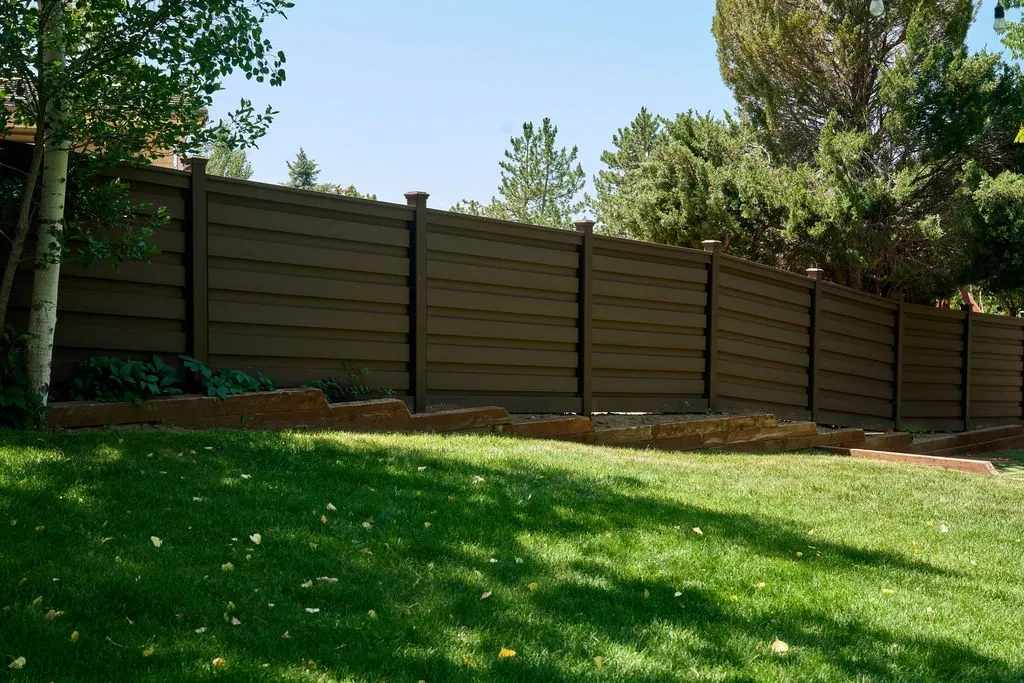
Privacy-focused metal panels may retain moisture longer, increasing corrosion risk without proper spacing.
Balancing design and airflow is a critical consideration in coastal-adjacent metal fence installation projects.
Maintenance Timing Makes a Difference
Early Cleaning Slows Salt Buildup
Routine rinsing removes salt residue before it penetrates protective finishes.
Touch-Up Coatings Prevent Spread
Small chips in the coating quickly expand if left untreated in coastal environments.
Regular inspections reduce the need for costly replacements and extend the life of metal fencing significantly.
Jacksonville Neighborhood Layouts Influence Exposure
Open Areas Experience More Air Movement
Properties near open roads or waterways receive more airborne salt than enclosed subdivisions.
Tree Coverage Alters Moisture Levels
Shaded fences remain damp longer, increasing corrosion risk in specific yard sections.
These localized factors explain why two nearby fences can age at very different rates.
Environmental Science Confirms Inland Coastal Effects
According to research from the National Oceanic and Atmospheric Administration, airborne salt particles can travel miles inland, especially during humid conditions and storm events, accelerating corrosion even outside direct coastal zones through prolonged exposure to salt-laden air.
Planning for Long-Term Durability
Choosing Climate-Appropriate Materials
Selecting metals engineered for coastal climates reduces long-term maintenance.
Investing in Expert Installation
Experienced contractors account for wind exposure, humidity, and drainage when planning metal fence installation.
Homeowners working with Top Rail Fence Jacksonville benefit from solutions tailored to Jacksonville’s unique inland-coastal conditions, ensuring fences remain structurally sound and visually appealing.
Cost Savings of Smart Installation Decisions
Fewer Repairs Over Time
Proper installation reduces corrosion-related replacements.
Longer Lifespan Increases Value
Durable metal fencing enhances curb appeal and property value.
Final Thoughts on Coastal Air and Metal Fences
Even inland properties are not immune to Jacksonville’s coastal influence. Salt-laden air, humidity, and weather patterns all impact the outcomes of metal fence installation. Choosing the right materials, designs, and installation methods ensures your fence stands strong for years. For guidance customized to your property, reach out to Top Rail Fence Jacksonville through the Contact Us page and let Top Rail Fence Jacksonville help protect your investment in metal fencing across Jacksonville’s challenging climate.