Many homeowners are surprised by how well modern vinyl fences retain their color in Jacksonville, even after years of sun exposure, heat, and humidity. The secret is not luck or shade placement. It comes down to how vinyl fence installation methods, material chemistry, and manufacturing processes work together. When homeowners begin researching fencing options, they often start with local guidance from Top Rail Fence Jacksonville to understand which materials truly perform well in this environment.
Vinyl fencing has evolved significantly, and today’s products are engineered to resist fading in climates that were once considered too harsh. Understanding why helps homeowners make confident decisions before committing to fence installation.
The Science Behind Vinyl Color Stability
How Pigments Are Embedded
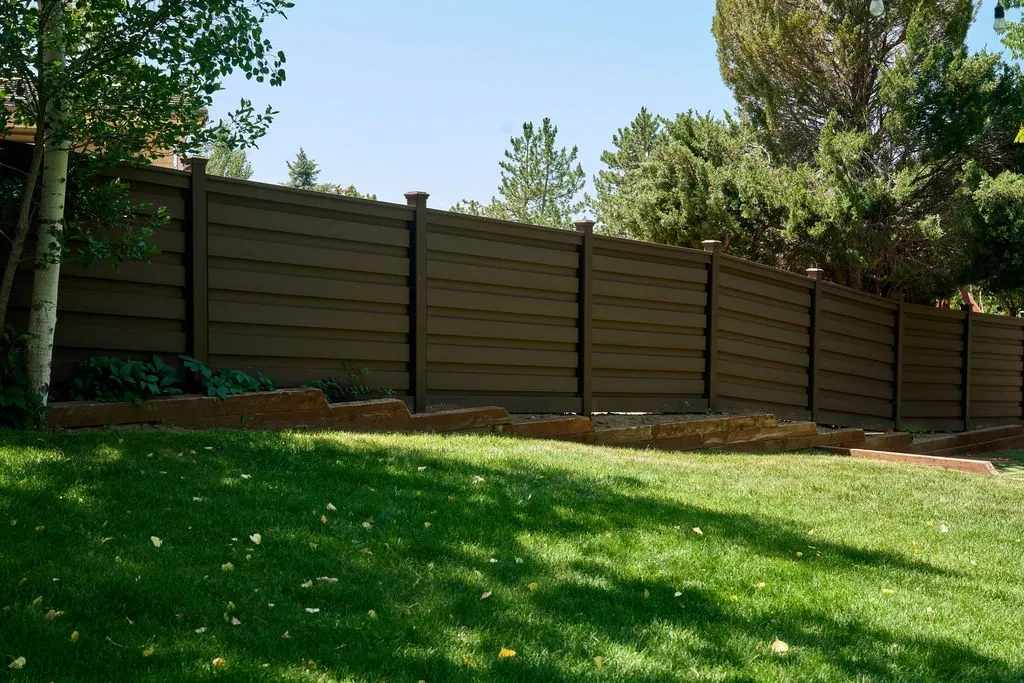
Unlike painted surfaces, vinyl fencing does not rely on surface coatings for color. During manufacturing, pigments are blended directly into the vinyl material before it is shaped into vinyl fence panels. This means color runs through the entire panel rather than sitting on the surface. As a result, scratching or weathering does not expose a different base color underneath.
UV Inhibitors and Protective Additives
Modern vinyl includes UV inhibitors designed to slow down sun related degradation. These additives help prevent the chemical breakdown that causes fading. In a sunny climate like Jacksonville, this built in protection plays a major role in keeping vinyl fencing looking consistent year after year.
Why Jacksonville Weather Is Less Harsh on Vinyl Than Expected
Heat Without Moisture Absorption
Vinyl does not absorb moisture the way wood does. While heat accelerates wear in many materials, vinyl remains dimensionally stable because it does not swell, crack, or release pigments due to humidity. This makes vinyl fence installation especially effective in coastal and humid regions.
Rain and Humidity Resistance
Frequent rain does not wash color out of vinyl. Since pigments are embedded, moisture exposure does not affect appearance. This is one reason homeowners comparing vinyl fencing colors and styles often find vinyl more reliable than painted alternatives.
How Manufacturing Quality Affects Long Term Color
Co Extrusion Technology
Many premium vinyl fence panels are made using co extrusion. This process creates an outer layer specifically engineered for UV resistance, while the inner layer provides strength. Together, they form a panel that resists fading even under constant sun exposure.
Consistency Across Panels
Color consistency matters just as much as color retention. High quality manufacturers ensure pigments are evenly distributed so panels age uniformly. This avoids the patchy appearance sometimes seen in lower grade fencing products.
For homeowners interested in material standards and vinyl performance, the Vinyl Institute offers detailed insights into how vinyl products are engineered for durability and long term appearance.
Choosing Colors That Perform Best Over Time
Light Versus Dark Shades
Lighter vinyl shades tend to reflect more sunlight, which reduces heat absorption. That said, modern darker tones have improved dramatically thanks to advanced pigment technology. Homeowners exploring vinyl fencing colors and styles now have more reliable options than in the past.
Matching Style With Function
Color choice is not just about appearance. Some styles are better suited to open yards, while others provide more privacy. Selecting the right combination of color and design during vinyl fence installation ensures both aesthetics and functionality align with how the yard is used.
Installation Practices That Protect Color Longevity
Proper Spacing and Support
Correct post spacing allows panels to expand and contract naturally with temperature changes. Poor installation can cause stress points that accelerate wear. Professional fence installation ensures panels move as intended without compromising appearance.
Orientation and Layout
While vinyl resists fading, orientation still matters. Strategically planning layout helps maintain uniform exposure across the fence. This results in even aging and consistent color throughout the property.
Homeowners often review vinyl fence installation options during planning to understand how installation quality affects long term results.
Maintenance and Color Preservation
Simple Cleaning Practices
Routine cleaning removes surface buildup that can dull appearance. Mild soap and water are usually enough to restore brightness without damaging the material. Unlike painted fences, vinyl does not require refinishing to maintain color.
Preventing Surface Staining
While vinyl resists fading, surface stains from pollen or algae can occur. Regular rinsing keeps panels looking fresh and ensures the original color remains vibrant.
Many homeowners working with Top Rail Fence Jacksonville appreciate that vinyl fencing allows them to enjoy consistent color without ongoing upkeep demands.
Why Vinyl Continues to Perform in Jacksonville
Engineered for Harsh Conditions
Vinyl fencing is designed for outdoor exposure in demanding climates. The combination of embedded pigments, UV inhibitors, and proper vinyl fence installation allows it to outperform many traditional materials.
Long Term Visual Consistency
The ability of vinyl to maintain color contributes to property value and curb appeal. Homeowners investing in vinyl often find that appearance remains stable long after installation.
When installed correctly, vinyl fencing proves that color durability in Jacksonville is not just possible but expected. Homeowners who choose experienced professionals like Top Rail Fence Jacksonville gain confidence that both materials and installation will support lasting results.
If you are ready to explore vinyl fencing options tailored to your property, the next step is simple. Visit the Contact Us page to schedule a consultation and learn how professional vinyl fence installation can deliver long lasting color and performance for your outdoor space.