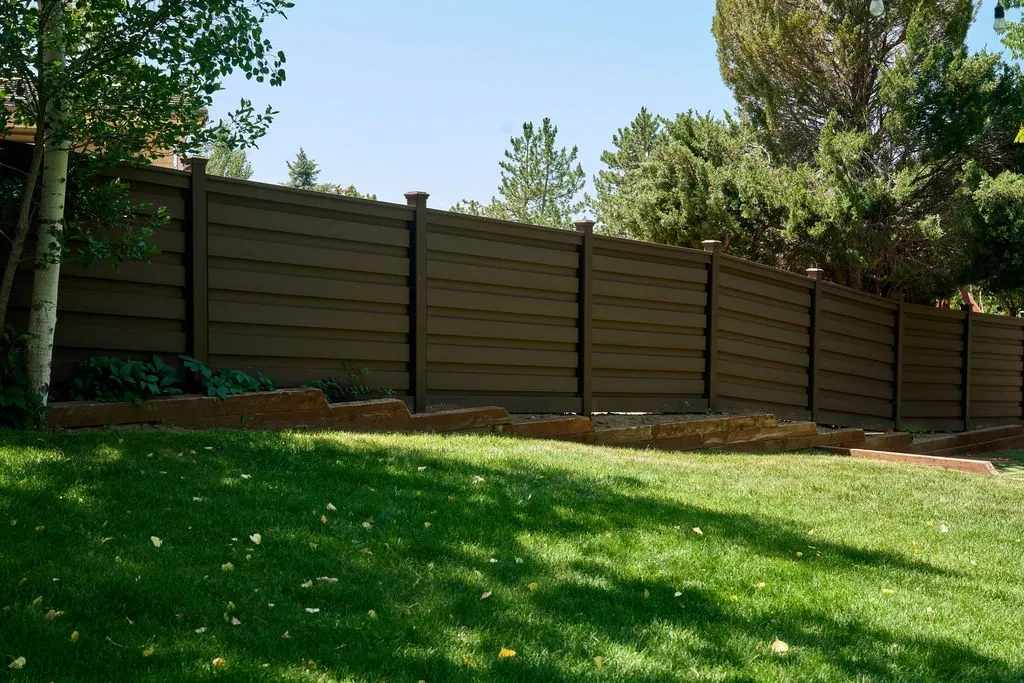
Living near rivers, creeks, marshes, or intracoastal waterways is part of everyday life in Jacksonville, but proximity to water introduces environmental factors that directly influence how a vinyl fence performs over time. Moisture levels, salt content, soil conditions, and airflow patterns all interact with fencing materials in subtle but important ways. Understanding these influences helps homeowners make smarter decisions when planning vinyl fence installation close to water.
Many property owners begin by exploring vinyl fence solutions in Jacksonville designed specifically for waterfront and near-water environments.
How Waterways Change the Environment Around a Fence
Increased Humidity Levels
Areas near waterways experience consistently higher humidity. While a vinyl fence is resistant to moisture absorption, constant damp air can affect surface appearance, especially when combined with organic debris like pollen and algae.
Salt Exposure From Coastal Airflow
In neighborhoods connected to tidal rivers or marsh systems, salt particles travel inland through air currents. Over time, salt residue can accumulate on fence surfaces, influencing how different vinyl fence options age visually.
Moisture and Ground Conditions Matter
Saturated Soil Around Fence Posts
Soil near waterways often retains more moisture. Proper vinyl fence installation techniques account for this by ensuring posts are set securely to prevent shifting or settling.
Drainage Patterns Affect Longevity
Standing water around fence bases increases the chance of discoloration from surface contaminants. Strategic placement and grading reduce long-term maintenance concerns.
Sunlight and Reflection Near Water
UV Exposure Amplified by Water Reflection
Sunlight reflecting off water surfaces intensifies UV exposure. This can accelerate subtle color changes in a vinyl fence, particularly in lighter shades.
Uneven Aging Across Fence Lines
Fences facing open water may weather differently from sections shaded by trees or structures. This creates visual variation that homeowners should anticipate when selecting fence styles.
Airflow Creates Distinct Wear Patterns
Constant Breezes Carry Debris
Waterways encourage steady airflow that carries fine sand, salt mist, and organic particles. These elements settle on fence panels and affect surface texture over time.
Reduced Mold but Increased Surface Film
Air movement helps limit mold growth, yet residue buildup may still require routine cleaning to maintain appearance across vinyl fence options.
Why Vinyl Performs Better Than Other Materials
Moisture Resistance Is a Major Advantage
Unlike wood, a vinyl fence does not absorb water, swell, or rot. This makes vinyl especially well-suited for properties near creeks, rivers, and marshlands.
No Corrosion Concerns
Metal fencing near water is prone to corrosion. Vinyl remains unaffected by rust, which is why many waterfront homeowners prefer vinyl fence installation over metal alternatives.
Industry testing standards referenced by ASTM material performance guidelines explain that PVC-based fencing materials retain strength and shape in damp environments because they do not absorb moisture, helping vinyl fences remain stable despite prolonged exposure to humidity, rain, and airborne contaminants.
Fence Design Choices for Waterfront Properties
Solid Panels vs Spaced Designs
Solid panels provide privacy but may show surface residue more easily. Spaced picket designs allow airflow, reducing buildup and helping the fence dry faster after rain.
Height and Orientation Considerations
Taller fences near water should be installed with attention to wind loads. Choosing appropriate fence styles helps balance privacy and long-term stability.
Homeowners evaluating vinyl fence options often find that design selection plays a major role in how well the fence ages near waterways.
Maintenance Expectations Near Water
Cleaning Frequency Increases Slightly
A vinyl fence near water may require more frequent rinsing to remove salt residue and organic buildup. This maintenance is simple and does not require sealing or repainting.
Avoiding Abrasive Cleaning Methods
Gentle cleaning preserves surface finish and prevents unnecessary wear, especially in high-humidity zones.
Installation Quality Makes the Difference
Precision Post Placement
Professional vinyl fence installation ensures posts remain stable even in softer, moisture-rich soil conditions common near waterways.
Allowing for Expansion and Contraction
Vinyl expands and contracts with temperature changes. Proper spacing prevents warping and maintains clean lines across long fence runs.
Many waterfront homeowners trust Top Rail Fence Jacksonville to evaluate site conditions and recommend vinyl solutions that perform reliably in near-water environments.
Long-Term Performance Expectations
Appearance Changes Are Gradual
Environmental exposure near water influences surface appearance slowly. Color shifts and texture changes remain cosmetic and do not impact structural strength.
Consistent Performance Across Seasons
Rainy summers, humid falls, and mild winters all contribute to predictable aging patterns for a vinyl fence near water.
Final Thoughts on Vinyl Fences Near Waterways
Properties near rivers and coastal waterways experience environmental conditions that demand thoughtful fencing choices. A vinyl fence offers durability, moisture resistance, and adaptability that perform exceptionally well in these settings. By selecting the right vinyl fence options, choosing appropriate fence styles, and ensuring professional vinyl fence installation, homeowners can enjoy long-lasting performance even in challenging environments.
For expert guidance tailored to waterfront conditions in Jacksonville, reach out to Top Rail Fence Jacksonville through the Contact Us page and discover why Top Rail Fence Jacksonville continues to be a trusted choice for vinyl fencing near waterways.