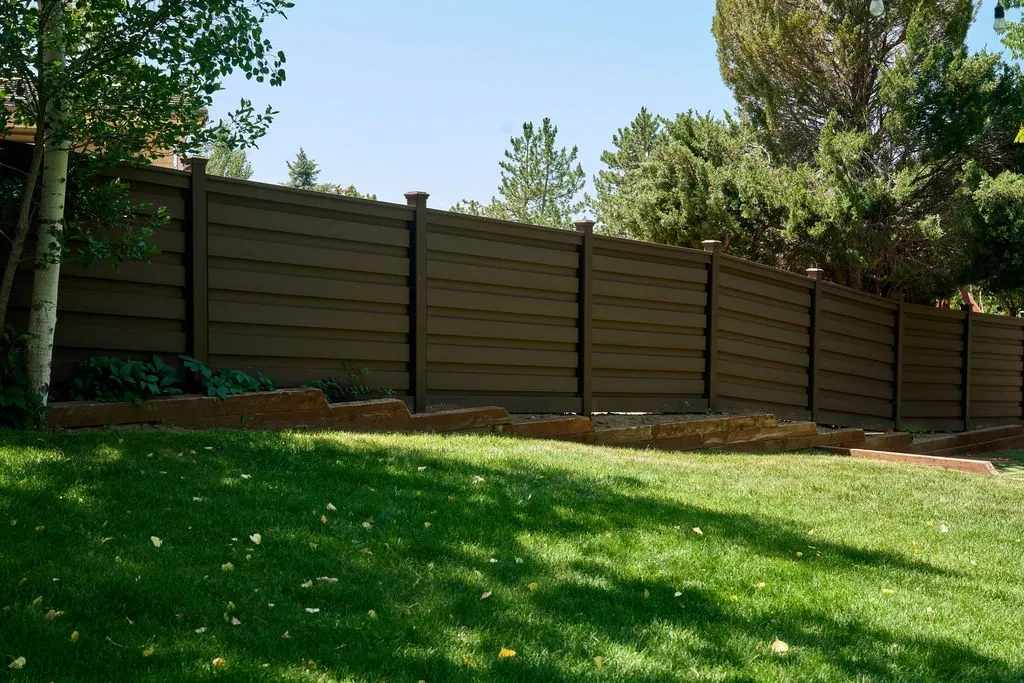
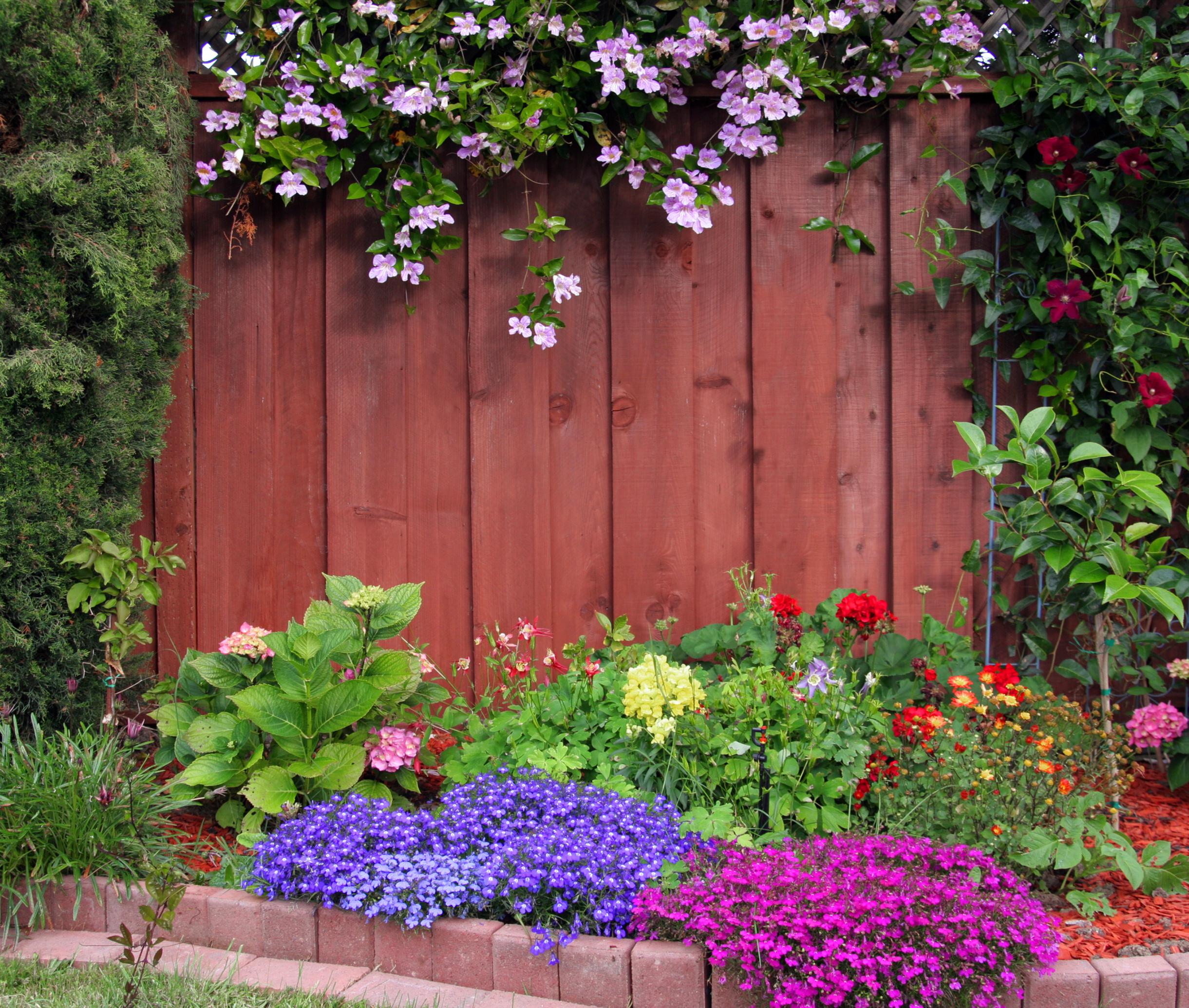
In Jacksonville, rainfall is not just frequent, it is persistent, humid, and seasonal. These conditions quietly but consistently influence how wood fencing ages over time. Homeowners who invest in wood fencing often expect a long lifespan, but local rain patterns can shorten or extend that lifespan depending on how the fence is installed, protected, and maintained.
From sudden summer downpours to weeks of lingering moisture, understanding how rain interacts with wood is essential for smarter residential fencing decisions. Many issues seen years later can be traced back to how moisture was handled during wood fencing projects in Jacksonville.
Why Jacksonville Rain Is Different From Other Regions
High Humidity Slows Drying Time
Unlike drier climates, where wood dries quickly after rain, Jacksonville’s humidity keeps moisture trapped inside fence boards. This extended dampness accelerates aging and increases the risk of warping and rot in wood fencing.
Frequent Storm Cycles Stress Wood Fibers
Repeated wet and dry cycles cause wood to expand and contract. Over time, this movement weakens the wood’s structure, especially in lower fence sections.
Moisture Absorption Starts at the Base
Ground-Level Boards Are Most Vulnerable
Rainwater splashes up from soil and landscaping, saturating the bottom of fence boards. Without proper spacing or drainage, moisture remains trapped.
Soil Contact Speeds Decay
When wood fencing touches soil directly, decay happens faster. Professional wood fence installation includes proper clearance to reduce this risk.
Wood Type Plays a Major Role in Aging
Pressure-Treated Wood Handles Rain Better
Pressure-treated lumber resists moisture penetration better than untreated wood, making it a popular choice for residential fencing in rainy regions.
Cedar Offers Natural Resistance
Cedar contains natural oils that help repel moisture and insects, slowing visible aging in wood fencing exposed to rain.
Rain Highlights Installation Quality
Poor Fastening Allows Water Entry
Improper nailing or spacing allows water to seep into cracks, accelerating board separation.
Post Footings Matter More in Wet Soil
Fence posts installed without adequate concrete footings shift over time as wet soil softens. Quality wood fence installation prevents early leaning and misalignment.
Midway through fence planning, many homeowners explore wood fencing options designed for wet climates to reduce long-term issues.
Mold, Mildew, and Surface Discoloration
Rain Encourages Organic Growth
Persistent moisture allows mold and mildew to grow on shaded fence sections, dulling the appearance and weakening surface fibers.
Stains Appear Faster Without Sealing
Unsealed wood fencing absorbs rainwater unevenly, leading to blotchy discoloration and streaking.
Maintenance Is Non-Negotiable in Rainy Climates
Regular Sealing Extends Fence Life
Applying water-repellent sealants slows moisture absorption and protects wood grain.
Cleaning Prevents Long-Term Damage
Routine washing removes mold and debris before they compromise fence integrity. Consistent wood fence maintenance is the difference between replacement and longevity.
According to the Forest Products Laboratory, prolonged exposure to moisture is the primary factor influencing wood deterioration, and protective treatments significantly extend outdoor wood lifespan through proper moisture control practices.
How Residential Layout Affects Fence Aging
Poor Drainage Increases Exposure
Yards that slope toward the fence line funnel rainwater directly to the fence bases.
Landscaping Can Trap Moisture
Dense shrubs and mulch prevent airflow, keeping fence boards damp longer after rain.
Signs Rain Is Accelerating Fence Aging
Splitting and Warping
Boards begin to twist as moisture repeatedly expands the wood fibers.
Soft Spots Near the Bottom
Spongy areas indicate internal rot caused by trapped water.
Smart Planning Reduces Long-Term Costs
Choosing the Right Materials
Selecting lumber designed for wet environments enhances performance in Jacksonville's rainy conditions.
Professional Installation Pays Off
Experienced installers account for drainage, airflow, and spacing during wood fence installation, reducing premature aging.
Homeowners working with Top Rail Fence Jacksonville benefit from localized installation techniques that address Jacksonville’s rainfall patterns from day one.
Long-Term Value of Proactive Maintenance
Fewer Repairs Over Time
Routine wood fence maintenance minimizes the need for board replacement and structural repairs.
Better Curb Appeal Year After Year
A well-maintained fence ages evenly and retains its natural character.
Final Thoughts on Rain and Wood Fence Aging
Rain does not automatically shorten the lifespan of wood fencing, but ignoring its effects does. In Jacksonville, rainfall patterns demand thoughtful material selection, expert installation, and ongoing care. Homeowners who plan to protect their investment and enjoy stronger, longer-lasting residential fencing. For guidance, inspections, or upgrades, connect with Top Rail Fence Jacksonville through the Contact Us page and let Top Rail Fence Jacksonville help your fence age gracefully in Jacksonville’s demanding climate.