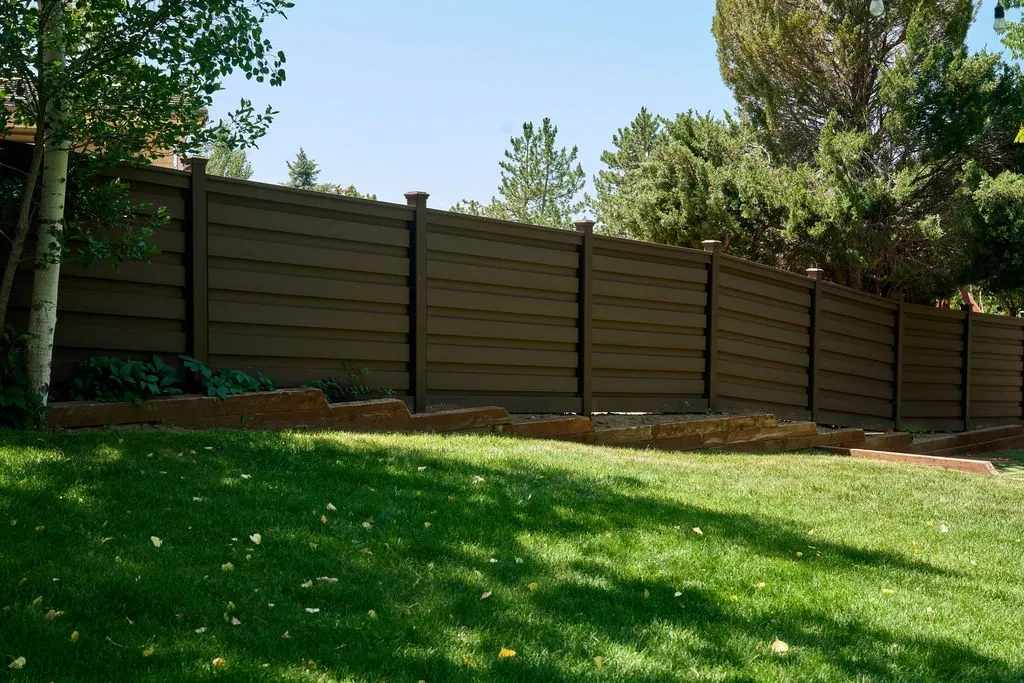
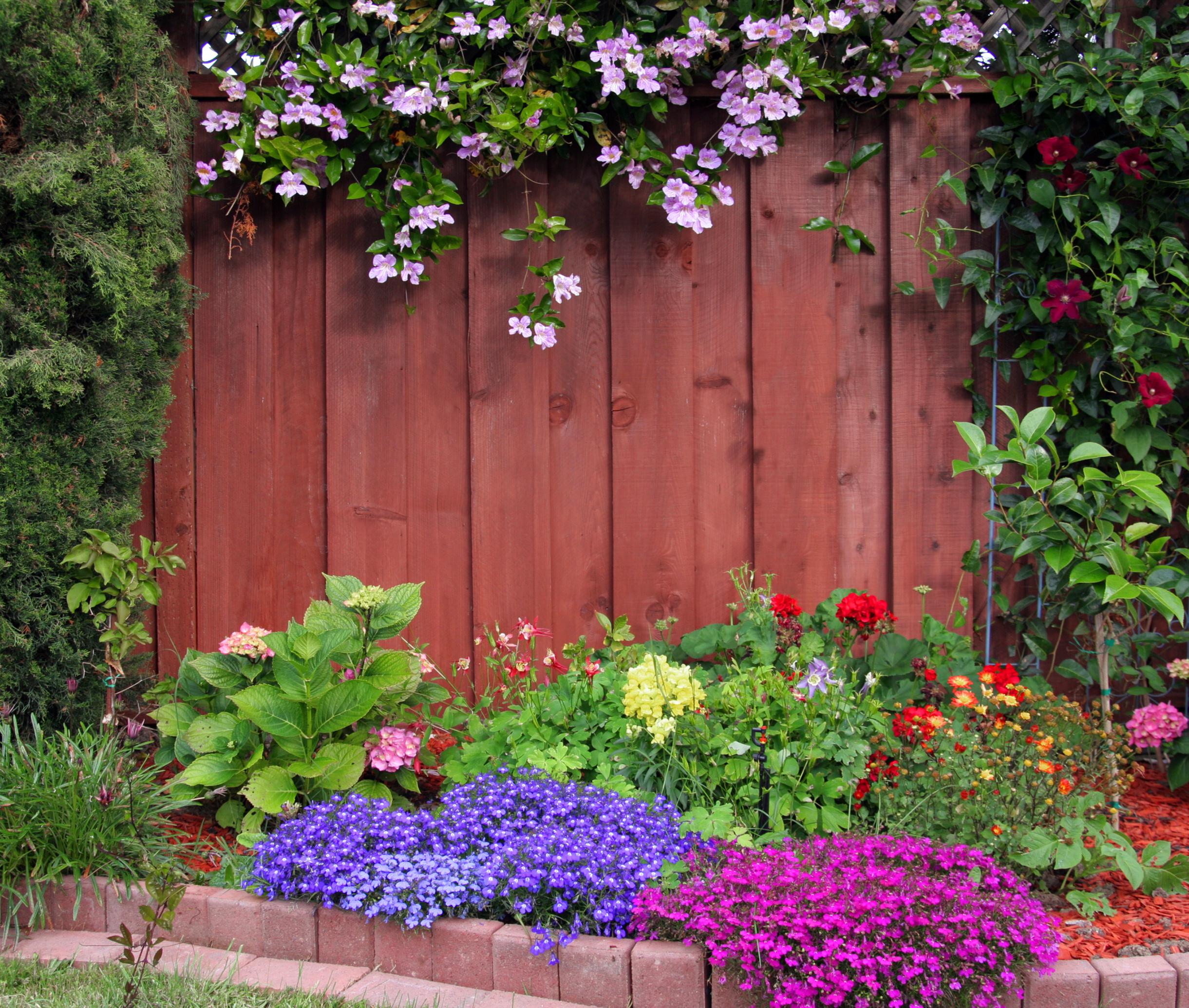
Homeowners across Jacksonville often notice something puzzling after a few seasons: sections of the same fence age at completely different rates. One side looks darker, rougher, or more worn, while another still appears relatively new. This uneven appearance is not a defect in materials; it is usually the result of how wood fence installation interacts with Jacksonville’s unique environment.
From sun exposure and drainage patterns to airflow and landscaping, small backyard differences can dramatically affect wood fencing over time. Understanding these factors helps homeowners make smarter residential fencing decisions and extend the life of their investment. Many of these issues can be reduced early by working with professionals familiar with wood fence installation in Jacksonville.
Microclimates Exist in a Single Backyard
Sunlight Is Never Evenly Distributed
In most yards, fences receive uneven sunlight throughout the day. Sections exposed to direct afternoon sun dry faster and experience more UV damage, while shaded areas retain moisture longer.
Shade Creates Moisture Traps
Trees, neighboring homes, and structures block airflow. In shaded zones, wood fencing dries slowly after rain, increasing the risk of mildew and surface decay.
Soil and Drainage Change Fence Behavior
Water Pools in Certain Fence Lines
Even slight grading differences cause water to collect along parts of the fence. This constant exposure leads to faster deterioration at ground level.
Soil Composition Affects Absorption
Clay-heavy soil common in parts of Jacksonville holds moisture longer than sandy areas. Fence posts installed in wetter soil experience more movement and stress, emphasizing the importance of professional wood fence installation.
Wind and Airflow Influence Aging
Open Areas Dry Faster
Fence sections near open yards or driveways benefit from better airflow, allowing moisture to evaporate quickly.
Enclosed Spaces Stay Damp
Corners and narrow side yards restrict airflow, causing wood fencing in those areas to weather faster and discolor unevenly.
Landscaping Plays a Bigger Role Than Expected
Plants Trap Moisture Against Boards
Shrubs, vines, and mulch pressed against fence panels prevent proper drying and encourage rot.
Sprinkler Systems Add Hidden Moisture
Irrigation often oversprays fence sections repeatedly, accelerating aging in specific zones.
Material Choice Affects Visual Consistency
Different Boards React Differently
Even within the same fence, wood grain density varies. Some boards absorb more moisture, causing uneven darkening.
Certain Styles Highlight Weathering
Decorative layouts and open patterns expose more surface area to the sun and rain. Choosing the right wood fence designs can help distribute exposure more evenly.
Homeowners comparing styles often review wood fencing options to find designs better suited for Jacksonville’s mixed conditions.
Installation Details Matter More Than Most Realize
Post Depth and Spacing Influence Stability
Improper spacing allows boards to flex, increasing stress where weather exposure is highest.
Fastener Placement Affects Water Flow
Poor fastening allows water to settle behind boards, leading to hidden decay.
Professional wood fence installation accounts for airflow, spacing, and drainage to minimize uneven aging.
Maintenance Habits Can Create Differences
Inconsistent Cleaning Patterns
Homeowners often clean only visible sections, leaving shaded or hidden areas untreated.
Spot Sealing Leads to Color Variations
Applying sealant unevenly causes certain fence sections to age more slowly than others.
Regular residential fencing maintenance keeps the weather consistent across the entire yard.
Jacksonville Weather Accelerates Small Differences
High Humidity Magnifies Moisture Retention
Jacksonville’s humid climate means damp areas stay wet longer, exaggerating differences between fence sections.
Sudden Storms Stress Select Areas
Wind-driven rain hits some fence lines harder, especially near open corners or alleys.
According to the USDA Forest Service, uneven exposure to sunlight and moisture is a primary cause of inconsistent wood weathering, especially in humid climates when wood is exposed to mixed environmental conditions.
How Smart Planning Reduces Uneven Aging
Adjusting Fence Orientation
Proper alignment reduces constant exposure on one side.
Selecting Protective Finishes
UV-resistant sealants slow sun damage and moisture absorption.
Ongoing Inspections Catch Early Issues
Early detection prevents localized damage from spreading.
Homeowners working with Top Rail Fence Jacksonville benefit from installation strategies tailored specifically to Jacksonville yards, helping fences weather more evenly from the start.
Long-Term Value of Professional Insight
Fewer Repairs Over Time
Even aging reduces board replacement frequency.
Better Appearance Year After Year
Consistent weathering preserves curb appeal and property value.
Final Thoughts on Uneven Fence Weathering
Uneven aging in wood fencing is not random. In Jacksonville, it reflects how sunlight, moisture, airflow, and installation details interact within a single yard. Thoughtful wood fence installation, smart wood fence designs, and routine maintenance help create more uniform aging across the entire fence line. For guidance tailored to your property, connect with Top Rail Fence Jacksonville through the Contact Us page and let Top Rail Fence Jacksonville help protect your residential fencing investment in Jacksonville’s challenging climate.