Homeowners often notice an odd pattern with their fence boards. One side looks gray, dry, or warped while the opposite side still appears relatively fresh. This uneven aging is especially common with wood fence installation projects in Jacksonville, FL, where climate and sun exposure play a major role. If you have recently invested in a wood privacy fence, understanding why this happens can help you protect your fence and extend its lifespan.
The coastal environment, sun direction, and moisture retention all affect how wood reacts over time. That is why working with professionals familiar with local conditions, like Top Rail Fence Jacksonville, makes a difference when planning and maintaining a fence.
How Jacksonville’s Climate Accelerates Uneven Wood Aging
Sun Exposure and UV Intensity
Florida receives intense sunlight year-round. The side of a fence that faces south or west is exposed to harsher ultraviolet rays for longer periods each day. UV radiation breaks down lignin, the natural binding material in wood fibers. Once that process starts, boards fade, dry out, and crack faster.
During wood fence installation, orientation is often overlooked, but it directly affects how quickly boards weather. Sun-facing sides lose moisture rapidly, while shaded sides retain it longer. This imbalance creates visible differences within the first year.
Moisture Retention and Humidity
High humidity levels in Jacksonville, FL contribute to moisture absorption, especially on the shaded side of a fence. Morning dew, rainfall, and trapped humidity prevent consistent drying. Over time, this moisture encourages mildew, algae, and surface discoloration.
This is where consistent wood fence maintenance becomes critical. Without proper sealing and cleaning, one side of the fence may soften or darken while the other becomes brittle.
The Role of Fence Placement and Airflow
Yard Layout and Landscaping Influence
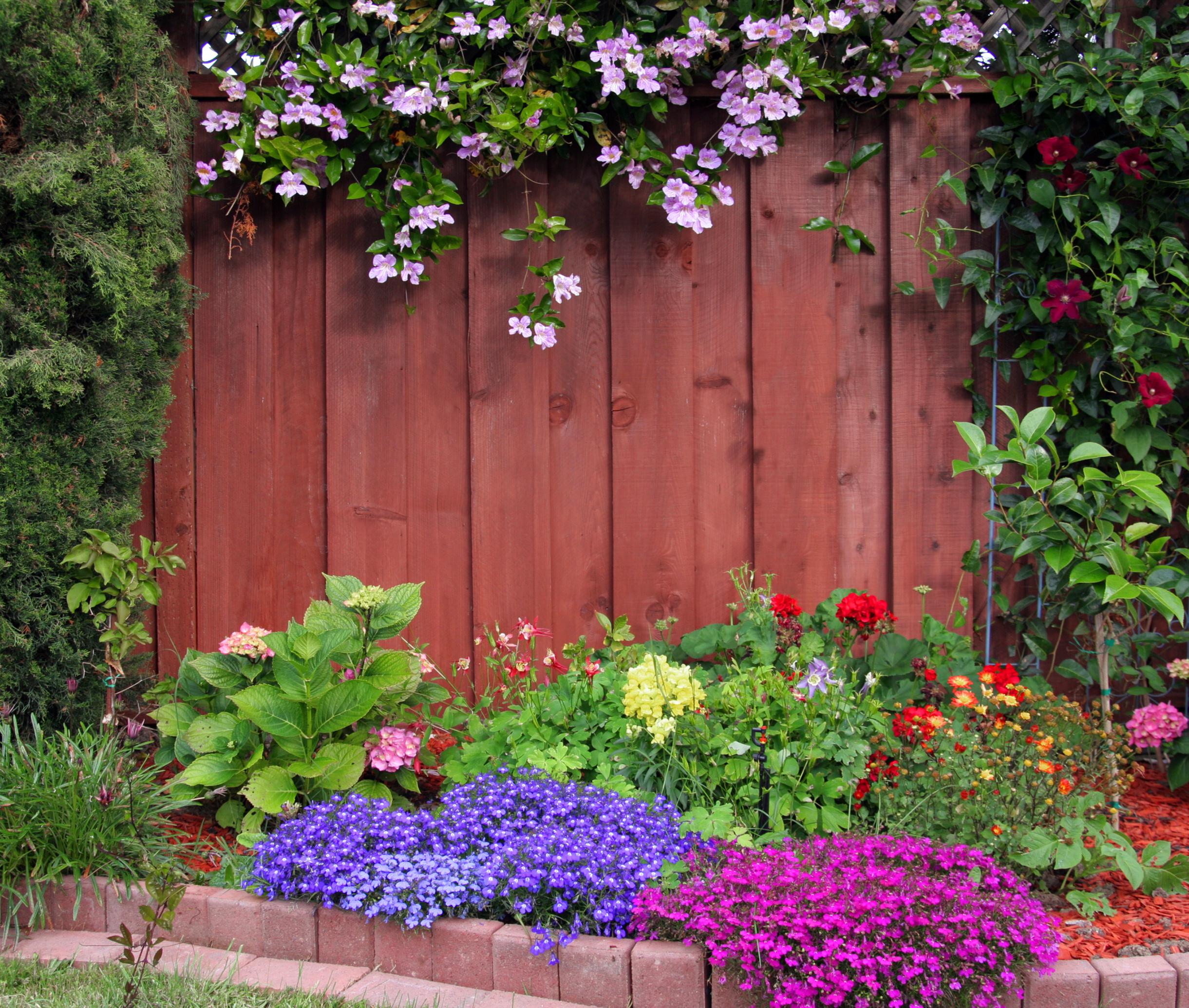
Fences installed near dense landscaping or buildings experience restricted airflow. Limited ventilation prevents moisture from evaporating evenly. The result is a damp side that stays cooler and darker.
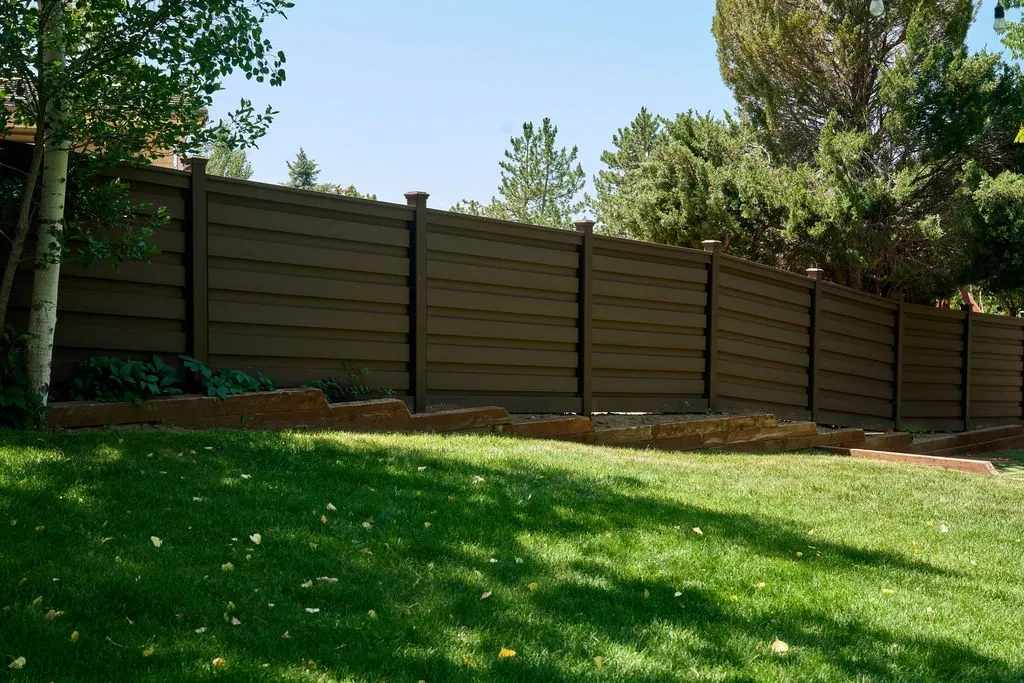
Homeowners planning a new wood fence installation should consider spacing, plant placement, and airflow patterns. Strategic placement reduces moisture retention and helps boards weather more uniformly.
Soil Contact and Splashback
Sprinklers and rain splashback expose the lower portions of fence boards to repeated moisture. The shaded side is often affected more, leading to uneven staining and early deterioration. This is especially common with traditional wood privacy fence designs.
Wood Type Matters More Than You Think
Cedar Versus Other Wood Options
A cedar fence naturally resists rot and insects better than many other wood species. Cedar contains oils that help regulate moisture absorption, making it more stable in humid climates. However, even cedar weathers unevenly if left untreated.
Choosing cedar during wood fence installation improves durability, but it still requires routine care to maintain consistent appearance on both sides.
Board Thickness and Grain Orientation
Boards with tight grain patterns weather more slowly. Flat-sawn boards tend to cup or warp faster, especially when exposed to uneven sun and moisture. Experienced installers account for this when selecting materials.
Maintenance Practices That Reduce Uneven Weathering
Sealing Both Sides Equally
One of the most common mistakes homeowners make is sealing only the outward-facing side. Proper wood fence maintenance requires sealing both sides of every board. This balances moisture absorption and reduces warping.
Professionals like Top Rail Fence Jacksonville often recommend sealing shortly after installation to lock in moisture balance before exposure takes its toll.
Cleaning and Mold Prevention
Routine washing removes algae and mildew that develop on shaded sides. Gentle cleaning once or twice a year prevents buildup that accelerates decay. Skipping this step allows moisture to remain trapped against the wood.
According to the NOAA Climate Data, coastal humidity significantly affects exterior wood materials, making preventive maintenance essential in regions like northeast Florida.
Installation Choices That Improve Longevity
Proper Post Depth and Drainage
Posts set at the correct depth with proper gravel drainage reduce moisture transfer from soil into fence boards. Poor drainage increases the likelihood of uneven weathering.
A professional wood fence installation accounts for Jacksonville’s sandy soil conditions to prevent long-term structural issues.
Board Spacing and Alignment
Slight spacing between boards allows air to circulate, helping both sides dry evenly. Tight installations trap moisture, especially on shaded sides.
Long-Term Care for Balanced Fence Aging
Seasonal Inspection Routine
Inspecting your fence seasonally allows you to catch early signs of uneven wear. Look for discoloration, cupping, or soft spots on shaded sides. Early intervention prevents expensive repairs.
Stain and Finish Selection
Penetrating stains work better than surface paints for wood fences in humid climates. They allow wood to breathe while offering UV protection. This is especially important for cedar fence projects.
Homeowners who prioritize long-term appearance often work with Top Rail Fence Jacksonville to develop customized maintenance schedules suited to their property.
Final Thoughts on Protecting Your Wood Fence
Uneven weathering is not a flaw in your fence. It is a natural response to Jacksonville, FL’s climate. With thoughtful wood fence installation, consistent wood fence maintenance, and the right materials, you can significantly slow the process and keep your fence looking uniform for years.
Whether you already own a wood privacy fence or are planning a new project, proactive care makes all the difference. If you are ready to take the next step, visit the Contact Us page to schedule a professional consultation and protect your investment from Florida’s demanding conditions.