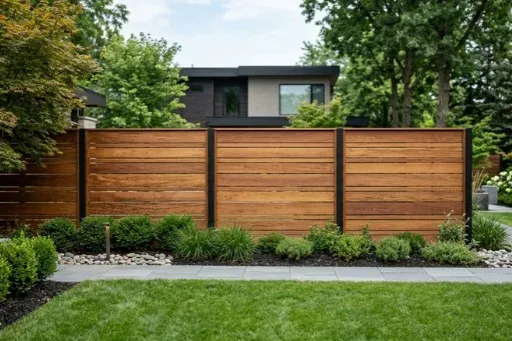
A well-planned backyard needs more than a clear property line. Garden tools, refuse bins, lawn equipment, hoses, and outdoor supplies all need practical places to stay without taking over patios or open lawn areas. In New Braunfels, incorporating these everyday needs into a wood fence installation plan can help make the yard easier to maintain and more organized. By coordinating storage areas, access points, and the fence line from the beginning, Top Rail Fence New Braunfels can help homeowners consider how a wood fence can support both privacy and the practical functions of an outdoor space.
Turn overlooked perimeter space into useful storage
The narrow strips along a backyard's edges are often treated as leftover space. With careful planning, these areas can accommodate essential equipment while keeping the central yard available for recreation, gardening, and relaxation.
Establish a home for outdoor equipment
Start by identifying the items that regularly remain outside. Lawn mowers, leaf blowers, gardening tools, watering cans, and bags of soil can quickly create clutter when they lack designated storage. Grouping these supplies in one accessible area makes it easier to maintain the rest of the yard.
During wood fence installation, consider where a storage shed or compact utility cabinet could sit in relation to the fence. Leave enough clearance for doors to open fully and for larger equipment to move in and out. Avoid positioning storage where it blocks drainage routes or restricts access to neighboring structures.
A defined equipment zone can also reduce visual clutter from the main outdoor living area. Rather than placing tools beside a patio or against the back door, the layout can direct them toward a less prominent part of the property.
Give refuse and recycling bins a designated position
Bins need a location that is convenient on collection days but does not dominate the appearance of the yard. A side yard or a section near a service entrance may provide suitable space, depending on the property's access and local collection arrangements.
Measure the full area needed to move the bins, including room to pull them out, turn them, and return them to storage. A location that fits the containers when stationary may prove inconvenient when they are full.
A wood fence can help screen this practical zone from a patio or garden, provided the arrangement maintains adequate access and ventilation. Gate placement should allow bins to reach the collection point without requiring awkward turns or movement through frequently used seating areas.
Design utility zones around the services you already have
Storage is only one part of perimeter planning. Outdoor utility features also need sufficient clearance for maintenance, repairs, and regular use. These requirements should influence the fence plan before construction begins.
Keep service equipment accessible
Air-conditioning condensers, electrical equipment, water connections, and other service features may need periodic inspection or repair. A fence positioned too closely can make maintenance difficult or limit the space technicians need to work safely.
Identify these features on a basic site sketch before deciding where posts and panels should go. Check the equipment manufacturer's clearance requirements and any applicable local rules. Do not enclose equipment simply to hide it from view if doing so would interfere with safe operation or servicing.
A practical wood fence installation plan should maintain the required working space while allowing the fence to screen equipment where appropriate. The objective is to create a tidy yard without turning essential services into difficult-to-reach areas.
Organize hoses, irrigation, and garden supplies
Watering equipment is easier to manage when hoses, reels, and irrigation controls have an established location. A wall-mounted hose reel or freestanding holder near a water connection can help keep hoses off walking routes and reduce tangling.
Think about how far a hose needs to reach. If it must cross a patio or pass through a gate to reach garden beds, another storage location may be more convenient. Irrigation valves and outdoor taps should also remain accessible rather than being concealed behind permanent obstacles.
During fence installation, confirm where underground utilities run before digging post holes. In the United States, homeowners can use 811's official utility damage prevention service to learn how to request utility marking before excavation. This step is particularly important when the proposed fence line passes near irrigation systems, buried electrical lines, or other underground services.
Plan access routes before deciding where gates belong
A storage zone is useful only when people can reach it comfortably. The position and width of gates can determine whether moving equipment through the yard feels straightforward or becomes a recurring inconvenience.
Match gate locations to the items being moved
Consider the largest objects that need to pass through the fence. A lawn mower, wheelbarrow, garden cart, or replacement appliance may require more clearance than a person carrying hand tools.
Measure the equipment and compare those dimensions with the proposed gate opening. Account for the gate's operation, nearby walls, landscaping, and the space needed to turn an object once it enters the yard.
For frequently used storage areas, a dedicated access point may be more practical than routing everything through the main patio entrance. However, adding gates should serve a clear purpose rather than complicating the boundary unnecessarily.
Separate service movement from relaxation areas
Where space permits, plan routes that allow equipment to move between the side yard, storage area, and garden without crossing the primary seating space. This can make routine chores less disruptive when family members or guests are using the patio.
The same principle applies to bins and deliveries. A convenient route can prevent equipment from being dragged across delicate landscaping or squeezed between outdoor furniture.
Map these movements before finalizing the wood fence installation design. A layout that accommodates real tasks can remain useful long after the yard's initial landscaping is complete.
Choose wood fence designs that support everyday functions
The appearance of the fence matters, but its style should also work with the practical zones arranged along the perimeter. Different sections may have different screening needs while still contributing to a consistent exterior.
Balance privacy with visibility
A storage area containing bins or tools may benefit from a more concealed position, while a garden workspace might need better visibility and convenient access. Consider what needs to be screened and what should remain easy to see.
Explore wood fencing options to compare styles that can suit the property's appearance and intended use. Panel configuration, height, and the overall design can influence how the fence relates to storage structures, garden beds, and other backyard features.
The goal is to select wood fence designs that support the yard's functions without making every section feel disconnected. Consistent materials and coordinated details can help utility areas blend into the overall layout.
Account for moisture and drainage near storage areas
Storage zones can collect water if they are positioned in low spots or where runoff from roofs and paved surfaces gathers. Before construction, examine how rainwater moves through the yard and whether proposed storage structures could change its path.
Avoid placing timber fencing where water regularly pools against the base. Keep soil and mulch from accumulating against the boards, and follow appropriate installation and maintenance guidance for the selected materials.
In New Braunfels, outdoor planning should take local rainfall patterns, heat, soil conditions, and existing drainage into account. A sensible layout can help protect the fence and keep storage areas usable without directing runoff toward neighboring properties or building foundations.
Leave room for future changes to the yard
Utility needs rarely stay exactly the same. A household may add a garden shed, replace lawn equipment, install irrigation, or create a dedicated space for outdoor supplies. Planning some flexibility into the layout can prevent these changes from requiring major alterations to the fence.
Avoid filling every available space
It can be tempting to use every strip along the perimeter for storage, but keeping some areas open provides room for maintenance and future improvements. A narrow gap may become valuable when a larger mower is purchased, or a garden bed is expanded.
Before construction, distinguish between immediate requirements and features that may be added later. Confirm property boundaries, easements, access requirements, and local restrictions before committing to the final fence line.
Review the complete plan before construction
Walk through the proposed layout as if you were completing everyday chores. Picture moving bins to the collection point, retrieving tools, watering plants, accessing service equipment, and carrying bulky supplies through each gate.
Check that storage doors can open, paths remain clear, and the fence does not obstruct drainage or required service clearances. These practical checks can reveal problems before they become costly adjustments.
Make your wood fence work harder for your property
A carefully planned wood fence installation can do more than establish a boundary. It can help organize outdoor equipment, screen utility areas, improve access, and keep everyday supplies from spreading across the yard. By considering storage needs, service clearances, drainage, and future changes together, homeowners in New Braunfels can develop a layout that balances appearance with function. Top Rail Fence New Braunfels can help you assess the property and plan a wood fence around its practical requirements. To discuss your project and explore suitable wood fence designs, visit Contact Us to take the next step toward a more organized and usable backyard.