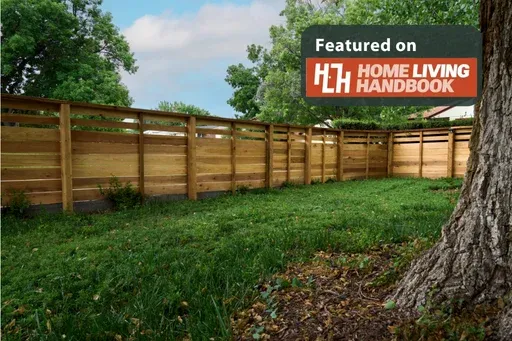
When people think about installing a wood fence, the first instinct is often to place it directly along property lines. While boundaries are important, they do not always reflect how outdoor spaces are actually used. A backyard may contain gathering areas, gardens, play zones, pet spaces, and quiet retreats that function independently from the property's perimeter.
In North Sound, more homeowners are exploring a different approach by designing fencing around activity zones rather than simply tracing lot boundaries. This planning method can create a more functional yard while improving privacy, organization, and everyday enjoyment. Those considering new fencing projects can review options through Top Rail Fence North Sound to see how thoughtful fence placement can transform outdoor living.
Looking at your yard through daily routines
Every backyard has areas that receive more attention than others. Understanding these patterns can reveal opportunities for a smarter fencing layout.
Identifying where time is actually spent
Some sections of a yard may rarely be used, while others serve as the center of family activities. A strategically placed wood fence can focus attention on the spaces that matter most.
Mapping movement patterns
Walking paths between patios, gardens, garages, and outdoor seating areas influence how people interact with the property. Fencing that acknowledges these routes often creates a more natural flow.
Supporting different backyard functions
A well-designed home fence can help separate active and quiet spaces, making the entire property feel more organized and intentional.
Creating outdoor rooms instead of one large yard
Modern outdoor design increasingly treats backyards as a collection of distinct environments rather than a single open area.
Establishing dedicated gathering spaces
Patios and outdoor dining areas often benefit from greater definition. A wood fence can help create a sense of enclosure without making the space feel isolated.
Giving recreational areas their own identity
Play zones, sports areas, or pet spaces frequently serve different purposes than entertainment areas. Fencing can help these spaces coexist comfortably.
Enhancing relaxation zones
Reading gardens, fire pit seating areas, and quiet corners often become more inviting when surrounded by thoughtfully placed fencing elements.
Why activity-based fencing can improve privacy
Privacy needs are rarely equal across an entire property. Some areas require more separation than others.
Focusing privacy where it matters most
Instead of enclosing every part of the yard equally, a wood fence can prioritize privacy around the areas used most frequently.
Reducing unnecessary enclosure
Not every section of a property requires screening. Maintaining openness in less-used areas can preserve views and create a larger visual footprint.
Balancing visibility and comfort
A carefully planned home fence helps homeowners enjoy outdoor spaces without feeling overly exposed to neighboring properties.
How activity zones influence fence design choices
Fence placement is only part of the equation. Design details also play a significant role.
Adjusting fence heights strategically
Different zones may benefit from different levels of enclosure. Gathering spaces often require more privacy than garden areas or pathways.
Creating visual transitions
A wood fence can help move visitors naturally from one outdoor area to another by establishing clear visual boundaries.
Matching design to function
Each section of the yard serves a different purpose. Fence styles should support those purposes while maintaining a cohesive overall appearance.
For ideas related to outdoor space planning and landscape design, the Garden Design Resource Center offers valuable insights into creating functional and attractive residential landscapes.
Making outdoor spaces easier to maintain
Activity-based fencing is not only about appearance. It can also improve how a property is managed over time.
Simplifying landscape upkeep
Defined zones make it easier to organize maintenance tasks such as mowing, planting, and seasonal cleanup.
Protecting specialized areas
Gardens, pet zones, and outdoor entertainment spaces often have different maintenance needs. A wood fence can help keep these areas organized.
Improving long-term flexibility
As outdoor needs evolve, activity zones can often be adjusted more easily than fencing plans based solely on property lines.
Preparing your yard for future changes
Outdoor spaces rarely remain static. Family needs and property priorities often change over the years.
Accommodating new features
Future additions such as pergolas, outdoor kitchens, or expanded patios can fit more naturally into an activity-based layout.
Supporting changing lifestyles
A play area today may become a garden tomorrow. Flexible home fence planning helps accommodate these transitions.
Preserving investment value
A thoughtfully designed fencing layout continues delivering value as the property evolves.
Homeowners exploring fencing solutions can compare wood fence options that complement both current and future outdoor goals.
Working with experienced fencing professionals
Successful zoning strategies require more than simply moving fence lines. Professional planning helps ensure the layout supports long-term functionality.
Evaluating property-specific conditions
Every yard presents unique opportunities and challenges. Slope, landscaping, access points, and usage patterns all influence fence placement.
Aligning fencing with outdoor goals
An experienced fence contractor can help identify which areas deserve emphasis and which areas may benefit from greater openness.
Turning concepts into practical designs
Professional guidance helps homeowners transform ideas into realistic fencing plans that support both aesthetics and usability.
Working with Top Rail Fence North Sound allows homeowners to evaluate fencing from a broader perspective. Instead of focusing exclusively on property boundaries, the conversation shifts toward how outdoor spaces function every day.
Rethinking what a fence can accomplish
A fence does not have to be limited to marking the edges of a property. In many cases, the most effective wood fence designs help shape experiences within the yard itself. By organizing spaces around activities rather than boundaries alone, homeowners in North Sound can create outdoor environments that feel more comfortable, practical, and enjoyable.
Whether the goal is better privacy, improved organization, or greater flexibility, activity-based fencing offers a creative alternative to traditional layouts. With support from Top Rail Fence North Sound, an experienced fence contractor, and the expertise homeowners expect from a trusted fence company near me, it becomes possible to design a backyard that works more effectively for the way people actually live.
To discuss your fencing goals and explore customized solutions, visit Contact Us and connect with Top Rail Fence North Sound today.