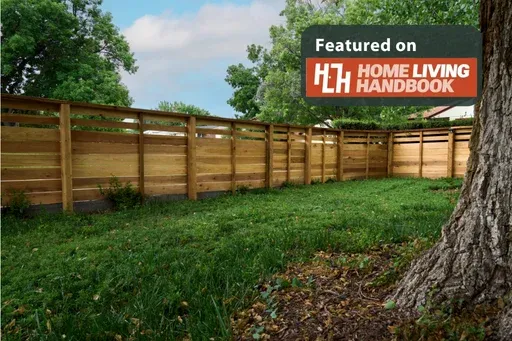
A fence can do much more than establish a property boundary. When its position, height, style, and surrounding landscaping are considered together, it can become an important part of the property's overall visual design. For properties in Oklahoma City, vinyl fencing can provide privacy and structure while complementing patios, gardens, walkways, trees, and other outdoor features. Top Rail Fence Oklahoma City can help homeowners develop a fencing approach that works with the existing character and layout of the property.
Rather than treating fencing as the final addition to a finished yard, it can be incorporated into the landscape plan from the beginning. This makes vinyl fence installation an opportunity to improve how outdoor areas connect, create distinct spaces, and establish a more cohesive appearance.
Give the landscape a defined framework
Landscaping can include many individual elements, from lawns and planting beds to patios and outdoor structures. Without some visual organization, these features can appear disconnected. Vinyl fencing can provide a consistent framework that brings those areas together.
Establish clear edges between outdoor zones
A fence can separate a recreational area from a garden or distinguish a patio from the rest of the lawn. These boundaries do not necessarily need to extend around the entire property.
A strategically positioned section of vinyl fencing can establish a clear transition while leaving the rest of the yard visually open. This is useful when different portions of the property serve different purposes.
Create structure around irregular spaces
Not every yard has a simple rectangular layout. Some properties include unusual corners, side passages, mature landscaping, or outdoor structures that affect how space is used.
Instead of forcing the landscape into a rigid configuration, fence installation can follow the property's existing layout. This allows fencing to work with the landscape rather than making the yard feel divided into artificial sections.
Coordinate fence placement with planting areas
Plants can dramatically influence how a fence looks once the landscape matures. Planning the relationship between vegetation and vinyl fencing can produce a softer and more integrated appearance.
Use plants to soften long fence runs
Long stretches of fencing can sometimes appear visually repetitive. Shrubs, ornamental grasses, flowering plants, and small trees can break up these sections and introduce texture.
Planting does not need to cover the entire fence. A few carefully positioned landscape beds can create visual variation while allowing the clean lines of the vinyl fencing to remain visible.
Leave adequate room for growth
Planting too close to a fence can create maintenance problems as vegetation matures. Branches, roots, and expanding shrubs may eventually interfere with panels or gates.
During vinyl fence installation, consider the eventual size of nearby plants rather than relying solely on their current dimensions. Leaving appropriate space allows both the landscaping and fencing to remain functional as the property changes.
Make outdoor living areas feel intentional
Patios, decks, outdoor kitchens, and seating areas can benefit from a fence that reinforces their purpose. A carefully placed boundary can make these areas feel like distinct outdoor rooms.
Give seating areas a visual backdrop
A privacy fence behind an outdoor seating area can create a comfortable sense of enclosure without surrounding the entire space.
The fence can also provide a simple background for patio furniture, planters, lighting, or other decorative features. In this application, vinyl fencing becomes part of the visual composition rather than merely a barrier.
Separate entertainment from everyday yard activity
A large backyard may accommodate several activities at once. Children may use one portion for recreation while another area is reserved for dining or relaxation.
A partial fence can establish separation between these functions. This approach avoids unnecessarily enclosing the entire yard while still giving each area a distinct identity.
Choose proportions that complement the property
The size of a fence can influence how the entire landscape feels. A fence that is too tall or visually dominant may overwhelm a smaller outdoor area, while one that is too low may fail to provide the intended privacy.
Match fence height with the surrounding space
Consider the size of the yard, the height of nearby structures, and the position of outdoor living areas before selecting a fence height.
A taller privacy fence installation may make sense around a patio or pool where screening is important. A lower design may be more appropriate around a front-facing garden or landscape bed where visibility should remain open.
Keep architectural proportions in mind
The home's exterior should also influence the fence design. A clean, consistent fence style can complement the home's siding, trim, windows, roofline, or other architectural features.
The goal is not necessarily to match every feature exactly. Instead, the fence should feel proportionate to the home and surrounding landscape.
Use fencing to frame rather than block views
A fence can change what residents see from inside the home and from different parts of the yard. Strategic placement can preserve desirable views while screening areas that are less appealing.
Protect important sightlines
Before finalizing a fence location, consider the views from patios, decks, kitchen windows, living rooms, and frequently used walkways.
A fence positioned directly across an important sightline can make an otherwise open landscape feel restricted. Adjusting the location or height can provide privacy without sacrificing the visual connection between the home and yard.
Screen unattractive features
The opposite strategy can be equally valuable. Utility equipment, storage areas, bins, neighboring structures, and service areas may benefit from screening.
A targeted section of vinyl fencing can hide these features while leaving attractive portions of the landscape exposed. This allows the fence to control what draws attention without overwhelming the property.
Bring gates into the landscape plan
Gates are functional components, but their position can also affect the visual flow of a property. A gate should work naturally with existing paths, structures, and activity areas.
Connect entrances with natural movement
A gate positioned at the end of a walkway can create an obvious transition from one outdoor zone to another. This can be particularly effective between a side yard and backyard or between a driveway and garden area.
During fence installation, consider how residents and visitors actually move around the property. A gate should support those patterns instead of forcing people to take unnecessary routes.
Plan for equipment and maintenance access
Lawnmowers, wheelbarrows, outdoor furniture, and other equipment may need to pass through fenced areas. A gate designed only for pedestrian access can become inconvenient when larger items need to be moved.
Considering these requirements before installation helps ensure the completed fencing remains practical throughout the year.
Build privacy into the landscape instead of around it
Privacy does not always require a completely enclosed property. Vinyl fencing can be used selectively to create private areas while maintaining openness elsewhere.
Concentrate screening where it matters
A patio, pool, hot tub, or outdoor dining area may require more privacy than an open lawn. Focusing taller fencing around these areas can provide the desired separation without making the entire landscape feel enclosed.
This selective approach can also make a property feel more spacious because open sections remain visually connected.
Combine fencing with natural screening
Trees and shrubs can work alongside a privacy fence to create layered screening. Vegetation can soften the fence line while adding seasonal color and texture.
The combination of plants and vinyl fencing can create a more natural transition than relying on fencing alone. It also gives the landscape additional visual depth.
Consider Oklahoma City's outdoor conditions
The local environment should be part of the planning process. Oklahoma City properties can experience intense sun, strong winds, heat, and changing seasonal conditions, all of which can influence how outdoor spaces are designed and maintained.
Plan around sun exposure
The position of fencing can affect light reaching nearby planting areas. A taller fence may create shade at certain times of day, which can influence what plants will perform well beside it.
Understanding the sun patterns around the property can help coordinate the fence with existing and future landscaping.
Account for wind and drainage
Fence placement should also consider how wind moves through the property and how rainwater travels across the landscape. Blocking or redirecting airflow and water without considering existing conditions can create avoidable issues.
Before vinyl fence installation, reviewing slopes, drainage paths, and exposed areas can help determine an appropriate layout.
Plan the landscape around local conditions
The relationship between fencing and landscaping becomes even more important when selecting plants that will grow well around the property. Oklahoma State University Extension provides guidance on landscape planning and plant selection for Oklahoma conditions, which can help when coordinating vinyl fencing with surrounding trees, shrubs, and planting beds. Oklahoma landscape planning guidance can be a useful reference when deciding how vegetation and fencing should work together.
Let the fence evolve with the landscape
A successful landscape design should not only look good immediately after installation. It should continue to work as plants mature and outdoor spaces change.
Plan for future landscaping
A property may eventually gain additional planting beds, trees, a patio extension, garden structures, or other improvements. Fence placement should leave enough flexibility for these possibilities.
Thinking ahead can prevent a new feature from being positioned directly against a fence or blocking an existing gate.
Maintain a consistent visual language
Even when different parts of the property serve different purposes, a consistent fencing style can make the landscape feel connected.
Using coordinated vinyl fencing throughout visible sections can establish repetition in color, lines, and proportions. This creates continuity without requiring every section to have exactly the same function.
Make vinyl fencing part of the finished landscape
When fencing is considered alongside landscaping instead of added as an afterthought, it can contribute significantly to the property's appearance and functionality. Vinyl fencing can frame gardens, define outdoor rooms, provide privacy, conceal unwanted views, and create transitions between different areas.
The most effective design starts with the property itself. Existing trees, planting beds, patios, walkways, architectural features, views, and everyday movement should all influence where fencing is placed and how it is configured.
For a tailored approach to vinyl fencing, fence installation, and privacy fence installation in Oklahoma City, Top Rail Fence Oklahoma City can help coordinate the fencing with the property's landscape design. Visit Contact Us to discuss your project with Top Rail Fence Oklahoma City and explore a fencing solution designed to become a natural part of your outdoor space.